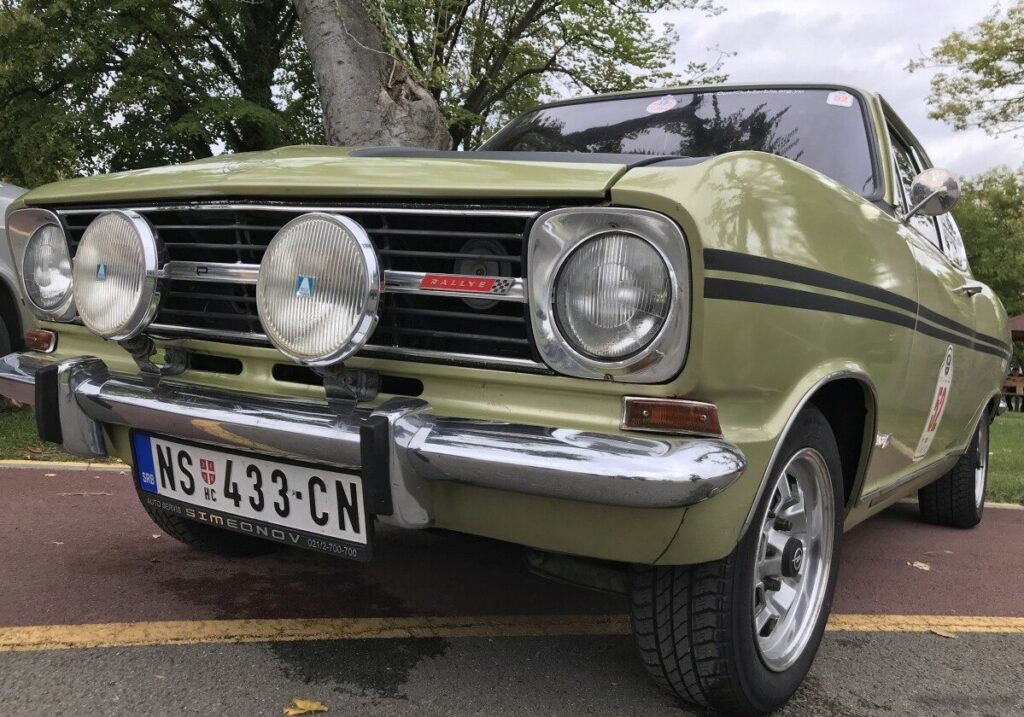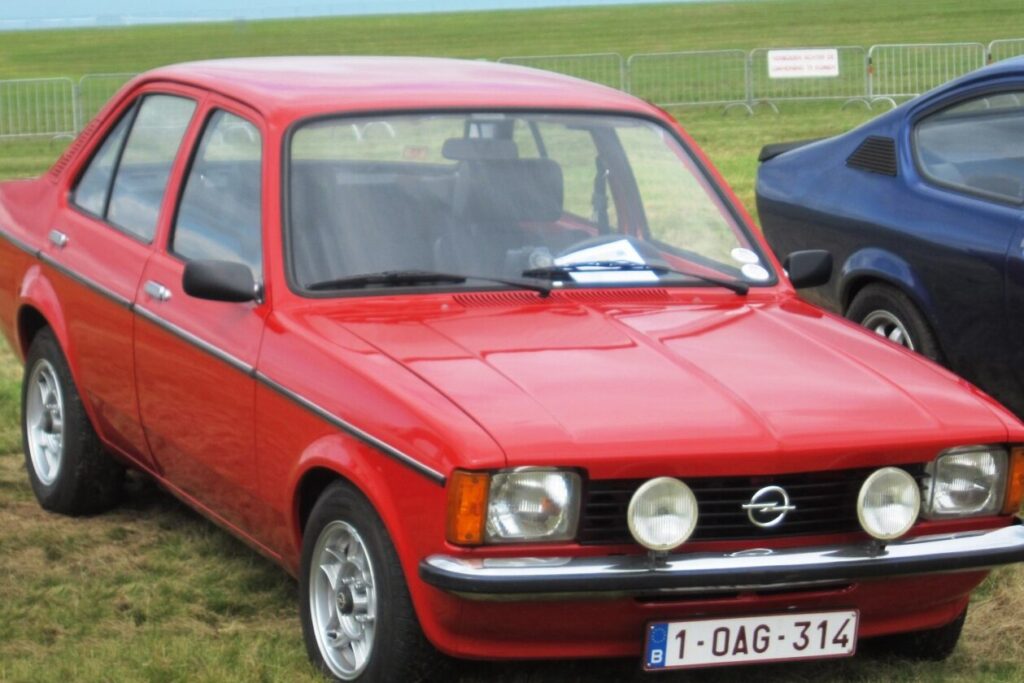
The Opel Kadett C 1.2, producing 55 horsepower, was a mainstay of the German automotive market from 1973 to 1979. Representing the third generation of the Kadett, this variant occupied the entry-level position within the C-series lineup. It was designed to provide affordable and reliable transportation for the masses, particularly in a post-war Europe still focused on practicality. The Kadett C, built upon the rear-wheel-drive platform, served as a crucial model for Opel, solidifying its position as a major domestic manufacturer. This specific 1.2-liter engine and four-speed manual transmission combination was aimed at buyers prioritizing fuel economy and low running costs over outright performance.
Technical Specifications
| Brand | Opel |
| Model | Kadett |
| Generation | Kadett C |
| Type (Engine) | 1.2 (55 Hp) |
| Start of production | 1973 |
| End of production | 1979 |
| Powertrain Architecture | Internal Combustion engine |
| Body type | Sedan |
| Seats | 5 |
| Doors | 4 |
| Fuel Type | Petrol (Gasoline) |
| Power | 55 Hp @ 5400 rpm |
| Power per litre | 46 Hp/l |
| Torque | 84 Nm @ 3400 rpm |
| Torque (lb.-ft.) | 61.96 lb.-ft. @ 3400 rpm |
| Engine layout | Front, Longitudinal |
| Engine Model/Code | 12N |
| Engine displacement | 1196 cm3 |
| Engine displacement (cu. in.) | 72.98 cu. in. |
| Number of cylinders | 4 |
| Engine configuration | Inline |
| Cylinder Bore | 79 mm |
| Cylinder Bore (in.) | 3.11 in. |
| Piston Stroke | 61 mm |
| Piston Stroke (in.) | 2.4 in. |
| Compression ratio | 7.8:1 |
| Number of valves per cylinder | 2 |
| Fuel injection system | Carburettor |
| Engine aspiration | Naturally aspirated engine |
| Valvetrain | OHV |
| Engine oil capacity | 2.8 l |
| Engine oil capacity (US qt) | 2.96 US qt |
| Engine oil capacity (UK qt) | 2.46 UK qt |
| Coolant | 4.6 l |
| Coolant (US qt) | 4.86 US qt |
| Coolant (UK qt) | 4.05 UK qt |
| Length | 4124 mm |
| Length (in.) | 162.36 in. |
| Width | 1580 mm |
| Width (in.) | 62.2 in. |
| Height | 1385 mm |
| Height (in.) | 54.53 in. |
| Wheelbase | 2395 mm |
| Wheelbase (in.) | 94.29 in. |
| Front track | 1300 mm |
| Front track (in.) | 51.18 in. |
| Rear track | 1299 mm |
| Rear track (in.) | 51.14 in. |
| Minimum turning circle | 9.2 m |
| Minimum turning circle (ft) | 30.18 ft |
| Drivetrain Architecture | Rear wheel drive |
| Number of gears | 4 |
| Gearbox type | Manual transmission |
| Front brakes | Disc |
| Rear brakes | Drum |
Powertrain & Engine Architecture
The heart of the Kadett C 1.2 was the 12N engine, a 1196cc inline-four cylinder unit. This engine utilized an overhead valve (OHV) valvetrain and a single carburetor for fuel delivery. The 7.8:1 compression ratio was typical for the era, balancing fuel economy with acceptable performance. The engine’s longitudinal front-engine placement and rear-wheel-drive configuration were conventional for European cars of the 1970s. The four-speed manual transmission was the standard offering for this variant, providing a direct mechanical connection between the engine and the rear wheels. The transmission was chosen for its simplicity and cost-effectiveness, contributing to the Kadett C 1.2’s affordability. The 12N engine, while basic, was known for its durability and relatively straightforward maintenance requirements, making it a popular choice for budget-conscious buyers.
Driving Characteristics
The 55 horsepower output of the 1.2-liter engine translated to modest, but adequate, performance. Acceleration was leisurely, and highway cruising required careful planning, especially when encountering inclines. The four-speed manual transmission offered a reasonable spread of gears, but the engine lacked the torque to make frequent downshifts unnecessary. Compared to the more powerful Kadett C variants, such as those equipped with 1.6-liter engines, the 1.2 felt significantly underpowered. However, its lighter weight and simpler mechanicals made it more nimble in city driving. The rear-wheel-drive layout provided predictable handling, although it lacked the sophistication of more modern front-wheel-drive systems. The steering, while not power-assisted, offered a direct feel, allowing for reasonable control. Overall, the driving experience was best described as utilitarian, prioritizing functionality over excitement.
Equipment & Trim Levels
The Kadett C 1.2 was typically offered in a basic trim level, reflecting its position as the entry point to the range. Standard features included cloth upholstery, vinyl floor covering, and basic instrumentation consisting of a speedometer, fuel gauge, and temperature gauge. Options were limited, but could include a radio, heater, and upgraded seat fabrics. The interior was functional and durable, prioritizing practicality over luxury. Exterior features were equally spartan, with steel wheels, chrome bumpers, and basic lighting. The focus was on providing a reliable and affordable vehicle, rather than a lavishly equipped one. The simplicity of the trim level also contributed to lower repair costs and easier parts sourcing.
Chassis & Braking
The Kadett C utilized a conventional chassis design with a separate body-on-frame construction. The front suspension consisted of independent coil springs, while the rear suspension employed a solid axle with leaf springs. This setup provided a comfortable ride, but handling was not particularly sharp. The braking system featured disc brakes on the front wheels and drum brakes on the rear. While adequate for the car’s performance, the braking system lacked the stopping power of more modern designs. The steering was a recirculating ball system, providing a relatively heavy but precise feel. The suspension was tuned for comfort rather than sporty handling, absorbing bumps and providing a stable ride on typical European roads of the time.
Market Reception & Comparison
The Kadett C 1.2 was well-received in its target market, offering a practical and affordable solution for everyday transportation. Critics praised its fuel economy and reliability, but noted its lack of performance. Compared to other small cars of the era, such as the Ford Fiesta and Volkswagen Polo, the Kadett C 1.2 offered a more spacious interior and a more comfortable ride. However, it lacked the modern features and sophisticated engineering of some of its competitors. The 1.2-liter engine was considered adequate for city driving, but struggled on highways or when carrying a full load. The Kadett C 1.6 offered a significant performance upgrade, but at a higher price point. The Kadett C 1.2 successfully filled a niche for buyers who prioritized affordability and practicality above all else.
Legacy
The Opel Kadett C 1.2, while not a performance icon, remains a fondly remembered vehicle for many European drivers. Its simple mechanicals and robust construction contribute to its continued presence on the roads today. The 12N engine, while not particularly powerful, is known for its reliability and ease of maintenance. Parts availability remains relatively good, making it a viable option for classic car enthusiasts. In the used car market, the Kadett C 1.2 is valued for its affordability and nostalgic appeal. It represents a bygone era of automotive engineering, where practicality and reliability were prioritized over outright performance and technological innovation. The Kadett C, and specifically the 1.2 variant, played a significant role in shaping Opel’s reputation as a manufacturer of dependable and affordable vehicles. It served as a crucial stepping stone for Opel, paving the way for future generations of Kadett models and establishing a loyal customer base.