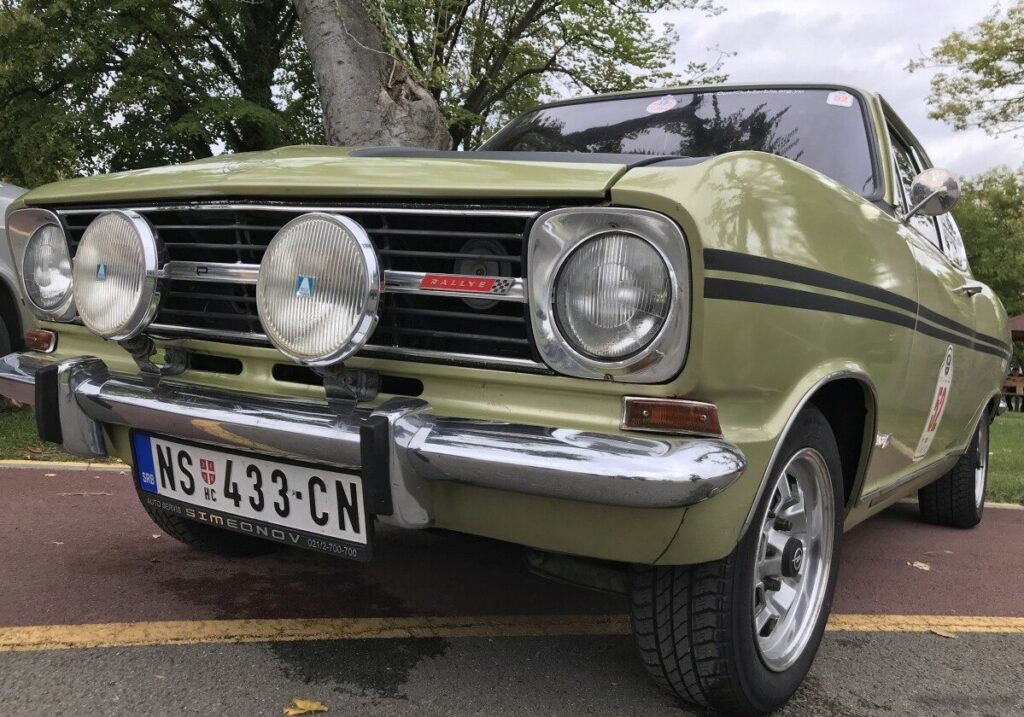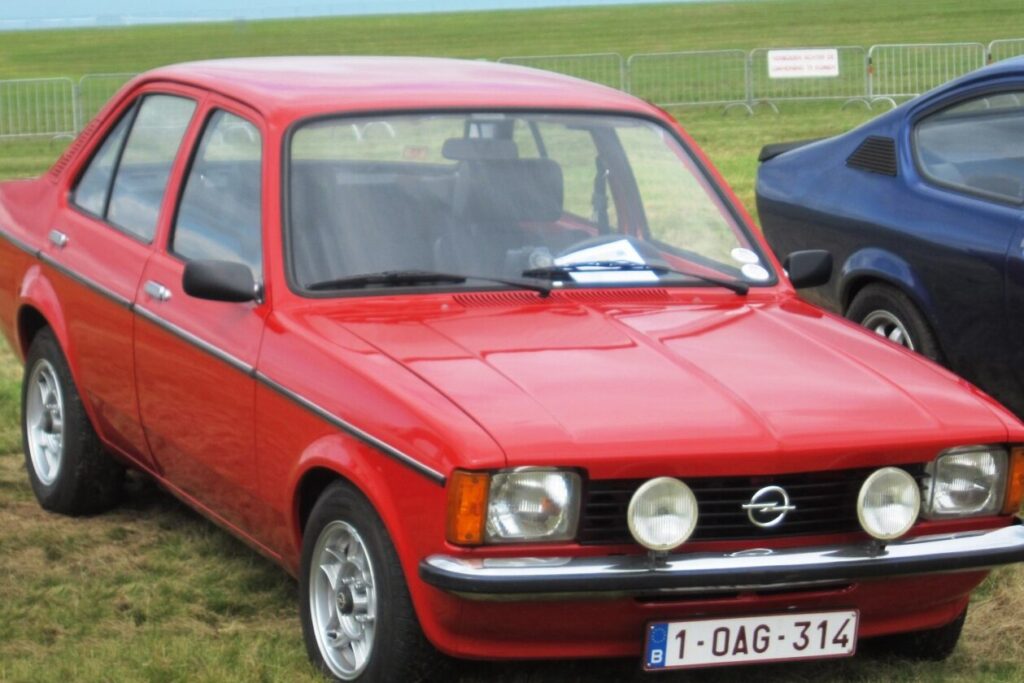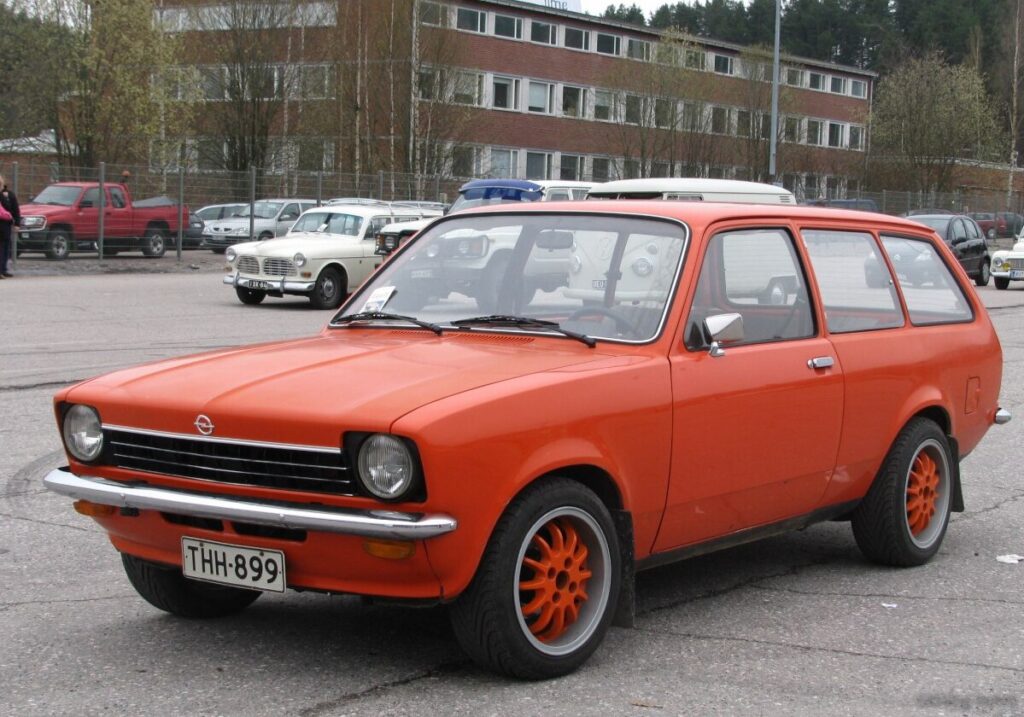
The Opel Kadett C Caravan 1.0, producing 40 horsepower, was a mainstay of the European compact car market from 1973 to 1979. Representing the entry-level offering within the Kadett C range, this variant – powered by the 10N engine – prioritized affordability and fuel economy over outright performance. The Kadett C, launched in 1972, was a significant update to the Kadett B, offering increased interior space and a more modern design. The Caravan body style, a station wagon (estate) in American terminology, was particularly popular with families and those needing a practical vehicle for work or leisure. This specific 1.0-liter model occupied the bottom rung of the Kadett C ladder, sitting below the 1.2, 1.6, and later, diesel variants.
Technical Specifications
| Brand | Opel |
| Model | Kadett |
| Generation | Kadett C Caravan |
| Type (Engine) | 1.0 (40 Hp) |
| Start of production | 1973 |
| End of production | 1979 |
| Powertrain Architecture | Internal Combustion engine |
| Body type | Station wagon (estate) |
| Seats | 5 |
| Doors | 3-5 |
| Fuel consumption (combined) | 7.4 l/100 km (31.8 US mpg, 38.2 UK mpg, 13.5 km/l) |
| Fuel Type | Petrol (Gasoline) |
| Acceleration 0 – 100 km/h | 28 sec |
| Acceleration 0 – 62 mph | 28 sec |
| Acceleration 0 – 60 mph | 26.6 sec |
| Maximum speed | 122 km/h (75.81 mph) |
| Weight-to-power ratio | 20.5 kg/Hp, 48.8 Hp/tonne |
| Weight-to-torque ratio | 11.7 kg/Nm, 85.4 Nm/tonne |
| Power | 40 Hp @ 5400 rpm |
| Power per litre | 40.3 Hp/l |
| Torque | 70 Nm (51.63 lb.-ft.) |
| Engine layout | Front, Transverse |
| Engine Model/Code | 10N |
| Engine displacement | 993 cm3 (60.6 cu. in.) |
| Number of cylinders | 4 |
| Engine configuration | Inline |
| Cylinder Bore | 72 mm (2.83 in.) |
| Piston Stroke | 61 mm (2.4 in.) |
| Compression ratio | 7.9:1 |
| Number of valves per cylinder | 2 |
| Fuel injection system | Carburettor |
| Engine aspiration | Naturally aspirated |
| Engine oil capacity | 2.8 l (2.96 US qt | 2.46 UK qt) |
| Coolant | 4.9 l (5.18 US qt | 4.31 UK qt) |
| Kerb Weight | 820 kg (1807.79 lbs.) |
| Max. weight | 1270 kg (2799.87 lbs.) |
| Max load | 450 kg (992.08 lbs.) |
| Trunk (boot) space – maximum | 450 l (15.89 cu. ft.) |
| Fuel tank capacity | 43 l (11.36 US gal | 9.46 UK gal) |
| Max. roof load | 60 kg (132.28 lbs.) |
| Permitted trailer load with brakes (12%) | 800 kg (1763.7 lbs.) |
| Permitted trailer load without brakes | 430 kg (947.99 lbs.) |
| Length | 4140 mm (162.99 in.) |
| Width | 1580 mm (62.2 in.) |
| Height | 1385 mm (54.53 in.) |
| Wheelbase | 2395 mm (94.29 in.) |
| Front track | 1300 mm (51.18 in.) |
| Rear (Back) track | 1299 mm (51.14 in.) |
| Minimum turning circle | 9.2 m (30.18 ft.) |
| Drivetrain Architecture | Front wheel drive |
| Number of gears and type of gearbox | 4 gears, manual transmission |
| Front brakes | Drum |
| Rear brakes | Drum |
| Tires size | 155/80 SR13 |
| Wheel rims size | 13 |
Powertrain & Engine Architecture
The heart of the Kadett C Caravan 1.0 was the Opel 10N engine, a 993cc inline-four cylinder unit. This engine, while simple in design, was robust and relatively easy to maintain. It featured a single overhead camshaft operating two valves per cylinder. Fuel delivery was handled by a single carburetor, a common setup for vehicles of this era aiming for affordability. The 10N engine produced 40 horsepower at 5400 rpm and 70 Nm (51.63 lb-ft) of torque. The engine was transversely mounted, driving the front wheels through a four-speed manual transmission. This front-wheel-drive layout was becoming increasingly common in Europe, offering advantages in packaging and traction compared to rear-wheel-drive configurations.
Driving Characteristics
Unsurprisingly, the 1.0-liter Kadett C Caravan was not a performance car. Acceleration was leisurely, taking approximately 28 seconds to reach 62 mph. However, the engine was willing enough for everyday driving, particularly in urban environments. The four-speed manual transmission was well-matched to the engine’s characteristics, providing adequate gearing for most situations. The relatively light weight of the vehicle – around 820 kg (1807.79 lbs) – helped to mitigate the lack of power. Compared to the 1.2 and 1.6-liter Kadett C models, the 1.0 offered significantly less power and acceleration, but it also delivered superior fuel economy.
Equipment & Trim Levels
The 1.0-liter Kadett C Caravan was typically equipped with basic amenities. Standard features included cloth upholstery, vinyl floor covering, and a simple dashboard layout. Options were available, such as a radio, upgraded upholstery, and a heated rear window. The trim level was generally quite spartan, reflecting its position as the entry-level model. However, it provided a comfortable and practical driving experience for those prioritizing affordability and functionality.
Chassis & Braking
The Kadett C Caravan featured a MacPherson strut front suspension and a rigid axle rear suspension. The braking system consisted of drum brakes on all four wheels, which were adequate for the vehicle’s weight and performance. Steering was by rack and pinion, providing reasonably precise handling. The suspension setup prioritized ride comfort over sporty handling, making it well-suited for everyday driving on European roads.
Market Reception & Comparison
The Kadett C Caravan 1.0 was well-received in its target market – budget-conscious buyers seeking a practical and reliable family car. Critics praised its fuel economy and affordability, but noted its lack of performance. Compared to the higher-spec Kadett C models, the 1.0 offered a more economical option, but at the expense of power and refinement. The 1.2-liter version, while slightly more expensive, provided a noticeable improvement in performance. The diesel variants, introduced later in the production run, offered even better fuel economy but were significantly slower.
Legacy
The Opel Kadett C Caravan 1.0, while not a particularly exciting vehicle, played an important role in providing affordable transportation to a wide range of European buyers. The 10N engine proved to be a durable and reliable unit, and many examples are still on the road today. In the used car market, these Kadetts are appreciated for their simplicity, affordability, and classic styling. While not sought after by collectors, they represent a significant piece of automotive history and a testament to Opel’s commitment to providing practical and reliable vehicles.