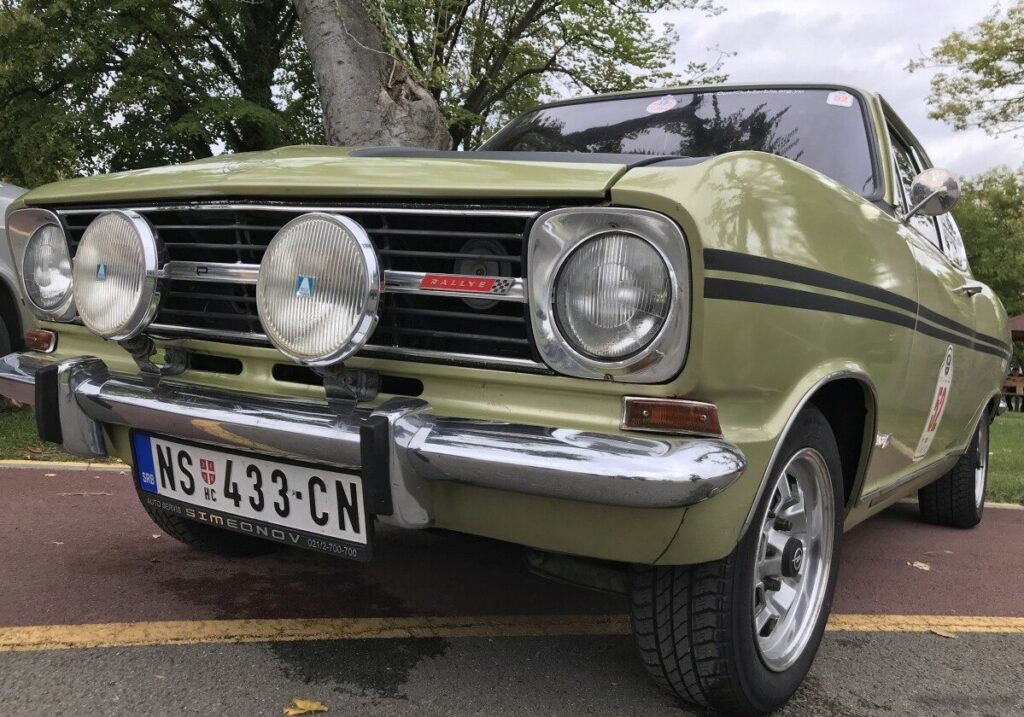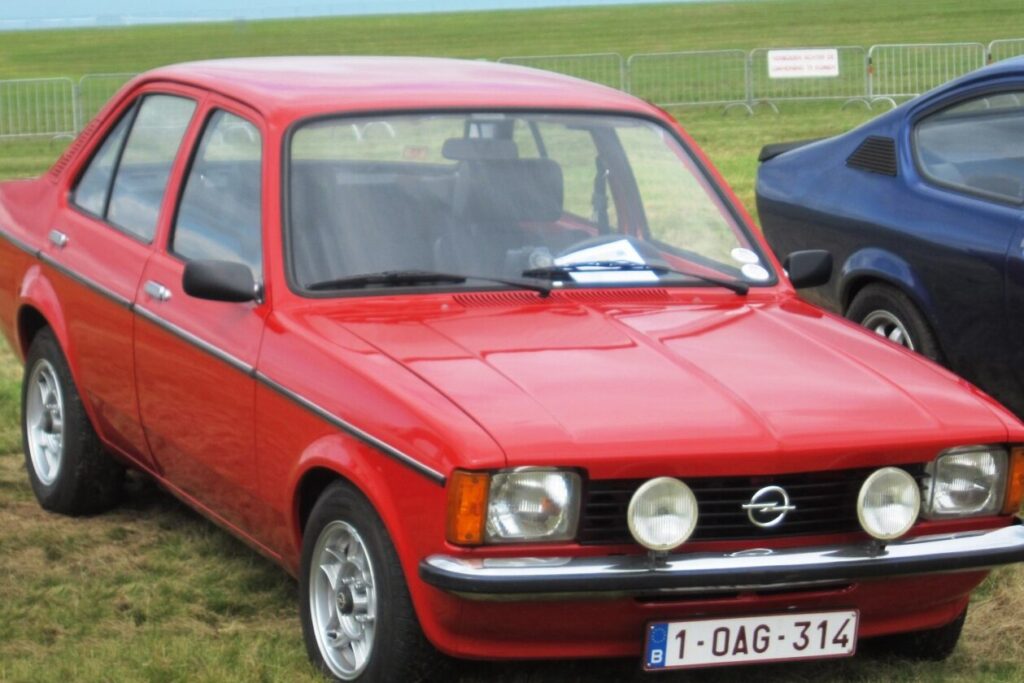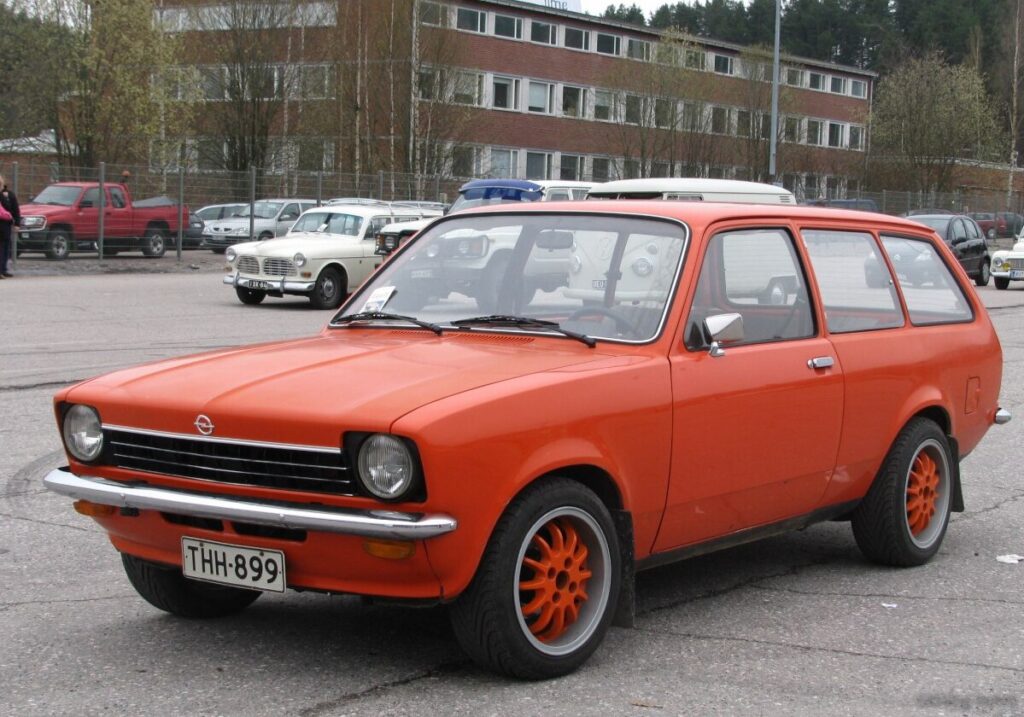
The Opel Kadett C Caravan 1.2, producing 52 horsepower, was a variant of the Kadett C series produced between 1973 and 1979. Positioned as an entry-level offering within the Caravan (estate) body style, it catered to buyers seeking an affordable and practical family vehicle. This model occupied the lower end of the Kadett C range, offering a more economical alternative to the higher-powered and manually-equipped versions. It was primarily sold in European markets, where the Kadett held a significant position as a popular compact car.
Technical Specifications
| Brand | Opel |
| Model | Kadett |
| Generation | Kadett C Caravan |
| Type (Engine) | 1.2 (52 Hp) Automatic |
| Start of production | 1973 |
| End of production | 1979 |
| Powertrain Architecture | Internal Combustion engine |
| Body type | Station wagon (estate) |
| Seats | 5 |
| Doors | 5 |
| Fuel consumption (combined) | 8.5 l/100 km (27.7 US mpg, 33.2 UK mpg, 11.8 km/l) |
| Fuel Type | Petrol (Gasoline) |
| Acceleration 0 – 100 km/h | 22.5 sec |
| Acceleration 0 – 62 mph | 22.5 sec |
| Acceleration 0 – 60 mph | 21.4 sec |
| Maximum speed | 130 km/h (80.78 mph) |
| Weight-to-power ratio | 15.8 kg/Hp (63.4 Hp/tonne) |
| Power | 52 Hp @ 5600 rpm |
| Power per litre | 43.5 Hp/l |
| Engine layout | Front, Longitudinal |
| Engine Model/Code | 12N |
| Engine displacement | 1196 cm3 (72.98 cu. in.) |
| Number of cylinders | 4 |
| Engine configuration | Inline |
| Cylinder Bore | 79 mm (3.11 in.) |
| Piston Stroke | 61 mm (2.4 in.) |
| Compression ratio | 7.8:1 |
| Number of valves per cylinder | 2 |
| Fuel injection system | Carburettor |
| Engine aspiration | Naturally aspirated |
| Engine oil capacity | 2.8 l (2.96 US qt | 2.46 UK qt) |
| Coolant | 4.7 l (4.97 US qt | 4.14 UK qt) |
| Kerb Weight | 820 kg (1807.79 lbs.) |
| Max. weight | 1270 kg (2799.87 lbs.) |
| Max load | 450 kg (992.08 lbs.) |
| Fuel tank capacity | 43 l (11.36 US gal | 9.46 UK gal) |
| Max. roof load | 60 kg (132.28 lbs.) |
| Permitted trailer load with brakes (12%) | 800 kg (1763.7 lbs.) |
| Permitted trailer load without brakes | 430 kg (947.99 lbs.) |
| Length | 4140 mm (162.99 in.) |
| Width | 1580 mm (62.2 in.) |
| Height | 1385 mm (54.53 in.) |
| Wheelbase | 2395 mm (94.29 in.) |
| Front track | 1300 mm (51.18 in.) |
| Rear (Back) track | 1299 mm (51.14 in.) |
| Minimum turning circle | 9.2 m (30.18 ft.) |
| Drivetrain Architecture | Rear wheel drive |
| Number of gears and type of gearbox | 3 gears, automatic transmission |
| Front brakes | Drum |
| Rear brakes | Drum |
| Tires size | 155 SR13 |
| Wheel rims size | 13 |
INTRODUCTION
The Kadett C, launched in 1973, represented a significant update to Opel’s popular compact car. The Caravan variant, a station wagon, offered increased practicality and cargo space. The 1.2-liter, 52-horsepower engine coupled with an automatic transmission was introduced as a more accessible option, aimed at buyers prioritizing ease of use and fuel economy over outright performance. This configuration was particularly popular with families and drivers who frequently navigated urban environments. The Kadett C series was built on the 1HX0/A3 platform, sharing components with other General Motors vehicles of the era.
Powertrain & Engine Architecture
The heart of the Kadett C Caravan 1.2 Automatic was the 12N engine, a 1196cc inline-four cylinder unit. This engine utilized a single carburetor for fuel delivery, a common setup for vehicles of this period. The engine featured a relatively low 7.8:1 compression ratio, contributing to its ability to run on lower octane fuels. The valvetrain employed two valves per cylinder, operated by a single overhead camshaft. The three-speed automatic transmission was a relatively simple design, prioritizing durability and ease of maintenance over sophisticated shift patterns. It was a typical torque converter automatic, offering smooth, if not particularly quick, gear changes.
Driving Characteristics
The 1.2-liter engine and automatic transmission combination resulted in a driving experience focused on comfort and ease. Acceleration was leisurely, with a 0-60 mph time of around 21.4 seconds. The automatic transmission’s gear ratios were optimized for fuel efficiency rather than performance. Compared to the manual transmission versions or the larger-engined Kadetts, this variant felt noticeably slower, especially when fully loaded or tackling inclines. However, the automatic transmission eliminated the need for constant gear changes, making it ideal for city driving and less demanding journeys. The rear-wheel-drive layout provided predictable handling, but lacked the sophistication of more modern front-wheel-drive systems.
Equipment & Trim Levels
The Kadett C Caravan 1.2 Automatic typically came with a basic level of equipment. Standard features included cloth upholstery, basic instrumentation (speedometer, fuel gauge, temperature gauge), and a steering wheel. Optional extras included a radio, upgraded interior trim, and a sunroof. The interior was functional and durable, prioritizing practicality over luxury. The trim level was generally considered the base trim for the Caravan, with limited cosmetic enhancements compared to higher-spec models.
Chassis & Braking
The Kadett C Caravan featured a relatively simple chassis design. The suspension consisted of independent front suspension with coil springs and a rigid rear axle with leaf springs. The braking system utilized drum brakes on all four wheels, which were adequate for the vehicle’s weight and performance but lacked the stopping power of disc brakes. The 155 SR13 tires provided reasonable grip, but were not designed for high-speed cornering. The rear stabilizer bar was relatively thin, contributing to a softer ride but also increased body roll during cornering.
Market Reception & Comparison
The Kadett C Caravan 1.2 Automatic received mixed reviews. Critics acknowledged its affordability and practicality, but often criticized its lack of performance. Compared to the more powerful Kadett variants, such as those equipped with the 1.6-liter engine, the 1.2-liter model felt significantly underpowered. However, it offered better fuel economy and a more relaxed driving experience. The automatic transmission was seen as a convenience feature, but also contributed to the slower acceleration. In terms of reliability, the 12N engine was generally considered durable, but the automatic transmission required regular maintenance to prevent issues.
Legacy
The Opel Kadett C Caravan 1.2 Automatic, while not a performance icon, holds a place in automotive history as a representative of affordable and practical family transportation in the 1970s. Today, these vehicles are relatively rare and sought after by classic car enthusiasts. The 12N engine, while simple, is known for its robustness and relative ease of repair. The automatic transmission, however, can be a source of maintenance issues if not properly cared for. Well-maintained examples command a modest price in the used car market, appealing to those seeking a nostalgic and affordable classic Opel.