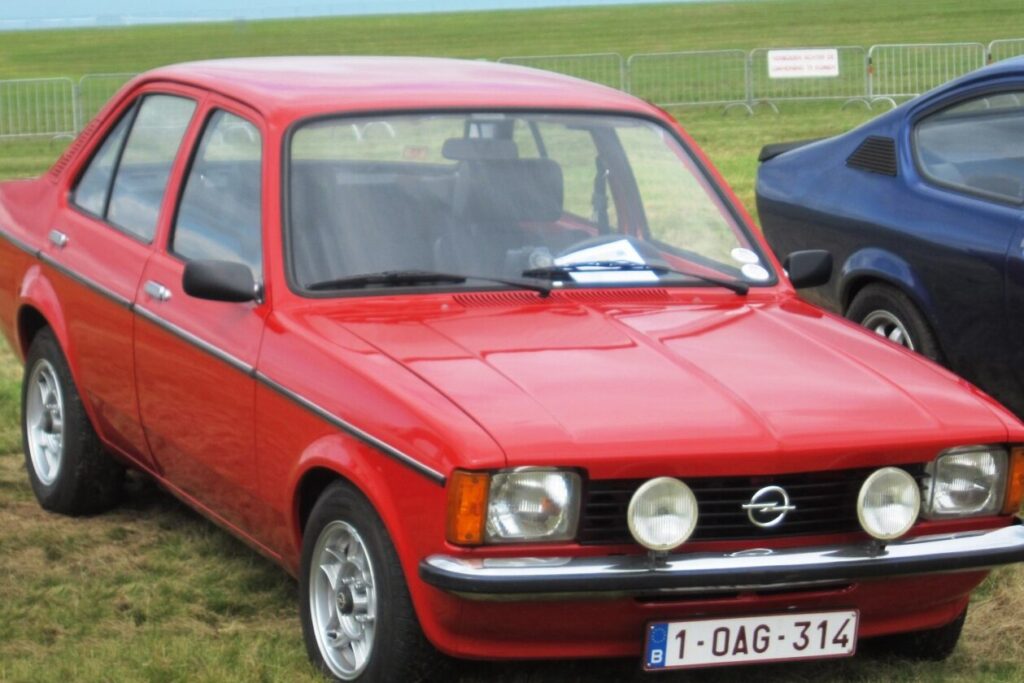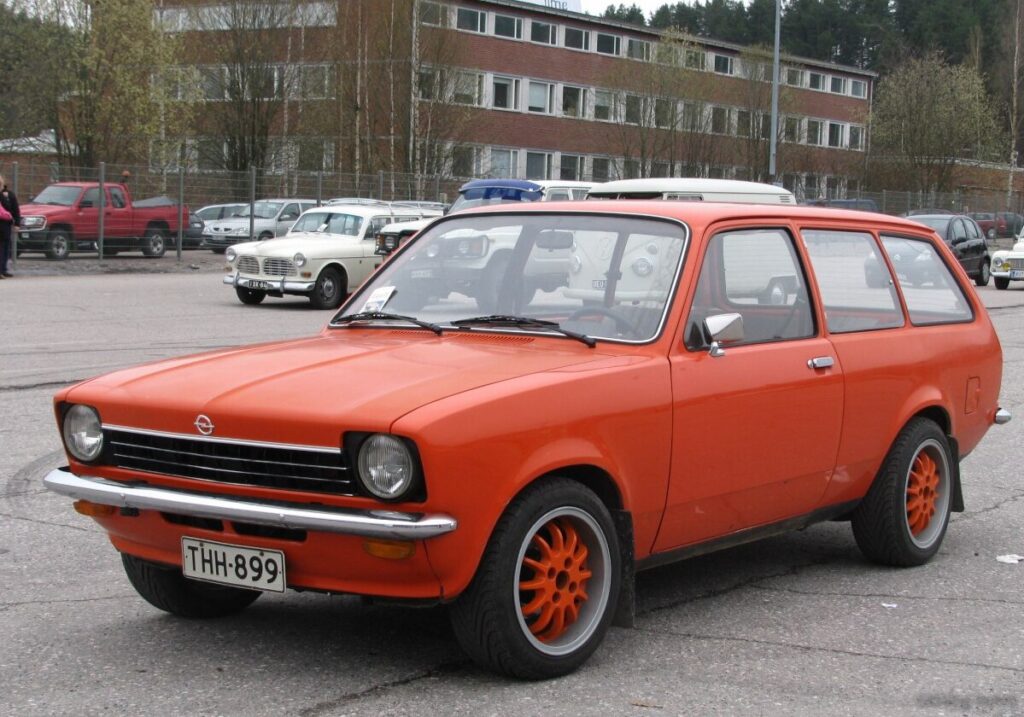
The Opel Kadett C Caravan 1.2 S, produced between 1973 and 1979, represented an entry-level offering within the broader Kadett C range. Positioned as a practical and economical family vehicle, the 1.2 S variant – generating 60 horsepower – was aimed at buyers prioritizing affordability and fuel efficiency over outright performance. The Kadett C, launched in 1972, was a significant model for Opel, building upon the success of the Kadett B and offering a more modern design and improved features. The Caravan body style, a station wagon, added to the model’s versatility, making it a popular choice for families and those needing ample cargo space. This particular 1.2 S trim occupied the lower end of the Kadett C Caravan lineup, serving as a stepping stone to the more powerful and better-equipped versions.
Technical Specifications
| Brand | Opel |
| Model | Kadett |
| Generation | Kadett C Caravan |
| Type (Engine) | 1.2 S (60 Hp) |
| Start of production | 1973 |
| End of production | 1979 |
| Powertrain Architecture | Internal Combustion engine |
| Body type | Station wagon (estate) |
| Seats | 5 |
| Doors | 3-5 |
| Fuel consumption (combined) | 8.6 l/100 km (27.4 US mpg, 32.8 UK mpg, 11.6 km/l) |
| Fuel Type | Petrol (Gasoline) |
| Acceleration 0 – 100 km/h | 22 sec |
| Acceleration 0 – 62 mph | 22 sec |
| Acceleration 0 – 60 mph | 20.9 sec |
| Maximum speed | 137 km/h (85.13 mph) |
| Weight-to-power ratio | 13.7 kg/Hp (73.2 Hp/tonne) |
| Weight-to-torque ratio | 9.1 kg/Nm (109.8 Nm/tonne) |
| Power | 60 Hp @ 5400 rpm |
| Power per litre | 50.2 Hp/l |
| Torque | 90 Nm (66.38 lb.-ft.) |
| Engine layout | Front, Transverse |
| Engine Model/Code | 12S |
| Engine displacement | 1196 cm3 (72.98 cu. in.) |
| Number of cylinders | 4 |
| Engine configuration | Inline |
| Cylinder Bore | 79 mm (3.11 in.) |
| Piston Stroke | 61 mm (2.4 in.) |
| Compression ratio | 9:1 |
| Number of valves per cylinder | 2 |
| Fuel injection system | Carburettor |
| Engine aspiration | Naturally aspirated |
| Engine oil capacity | 2.8 l (2.96 US qt | 2.46 UK qt) |
| Coolant | 4.7 l (4.97 US qt | 4.14 UK qt) |
| Kerb Weight | 820 kg (1807.79 lbs.) |
| Max. weight | 1270 kg (2799.87 lbs.) |
| Max load | 450 kg (992.08 lbs.) |
| Trunk (boot) space – maximum | 450 l (15.89 cu. ft.) |
| Fuel tank capacity | 43 l (11.36 US gal | 9.46 UK gal) |
| Max. roof load | 60 kg (132.28 lbs.) |
| Permitted trailer load with brakes (12%) | 800 kg (1763.7 lbs.) |
| Permitted trailer load without brakes | 430 kg (947.99 lbs.) |
| Length | 4140 mm (162.99 in.) |
| Width | 1580 mm (62.2 in.) |
| Height | 1385 mm (54.53 in.) |
| Wheelbase | 2395 mm (94.29 in.) |
| Front track | 1300 mm (51.18 in.) |
| Rear (Back) track | 1299 mm (51.14 in.) |
| Minimum turning circle | 9.2 m (30.18 ft.) |
| Drivetrain Architecture | Front wheel drive |
| Number of gears and type of gearbox | 4 gears, manual transmission |
| Front brakes | Disc |
| Rear brakes | Drum |
| Tires size | 155/80 SR13 |
| Wheel rims size | 13 |
Powertrain & Engine Architecture
The heart of the Kadett C Caravan 1.2 S was the 1196cc inline-four cylinder engine, designated the 12S. This engine was a relatively simple design, utilizing a single overhead camshaft and two valves per cylinder. Fuel delivery was managed by a carburetor, a common feature for vehicles of this era, prioritizing simplicity and cost-effectiveness. The 12S engine produced 60 horsepower at 5400 rpm and 90 Nm (66.38 lb-ft) of torque. The engine was transversely mounted, driving the front wheels. The four-speed manual transmission was the standard offering for this variant, chosen for its efficiency and affordability. The transmission’s gear ratios were geared towards maximizing fuel economy rather than providing rapid acceleration.
Driving Characteristics
The Kadett C Caravan 1.2 S offered modest performance. Acceleration was leisurely, taking approximately 22 seconds to reach 100 km/h (62 mph). Top speed was around 137 km/h (85 mph). The 1.2-liter engine felt strained when pushed hard, particularly when fully loaded. Compared to the more powerful Kadett C variants, such as those equipped with larger engines, the 1.2 S lacked the punch needed for quick overtaking maneuvers or spirited driving. However, in typical urban and highway driving conditions, the engine provided adequate power for everyday use. The manual transmission, while not particularly sporty, offered precise shifts and contributed to the car’s overall fuel efficiency.
Equipment & Trim Levels
The 1.2 S trim level was fairly basic, focusing on essential features. Standard equipment typically included cloth upholstery, vinyl floor covering, and a simple dashboard layout. The steering wheel was a basic two-spoke design. Optional extras included a radio, upgraded upholstery, and a sunroof. The Kadett C Caravan 1.2 S was designed to be a no-frills, practical vehicle, and its interior reflected this philosophy. The emphasis was on durability and functionality rather than luxury or advanced features.
Chassis & Braking
The Kadett C Caravan featured a relatively simple chassis design. The front suspension utilized independent coil springs, while the rear suspension employed a rigid axle with leaf springs. The braking system consisted of disc brakes on the front wheels and drum brakes on the rear. The braking performance was adequate for the car’s weight and power, but it lacked the stopping power of more modern vehicles. The 1.2 S variant typically featured smaller diameter tires (155/80 SR13) mounted on 13-inch steel wheels. Stabilizer bars were not standard on the base 1.2 S model, contributing to a slightly more pronounced body roll during cornering.
Market Reception & Comparison
The Kadett C Caravan 1.2 S was generally well-received as an affordable and practical family vehicle. Critics praised its fuel efficiency and spacious interior. However, its lack of power and basic equipment levels were often noted. Compared to other Kadett C variants, such as the 1.6 S, the 1.2 S offered significantly less performance but at a lower price point. The 1.6 S provided a more engaging driving experience and was better suited for those who frequently carried passengers or cargo. In terms of reliability, the 1.2 S engine proved to be reasonably durable, although regular maintenance was essential to prevent issues.
Legacy
The Opel Kadett C Caravan 1.2 S, while not a performance icon, holds a place in automotive history as a representative of the affordable family cars of the 1970s. The 12S engine, while simple, proved to be relatively reliable, and many examples remain on the road today. In the used car market, the Kadett C Caravan 1.2 S is often sought after by enthusiasts looking for a classic and affordable vehicle. Its simplicity and ease of maintenance make it an attractive option for those interested in classic car ownership. The Kadett C Caravan, in general, is remembered as a practical and versatile vehicle that played a significant role in Opel’s success during the 1970s.