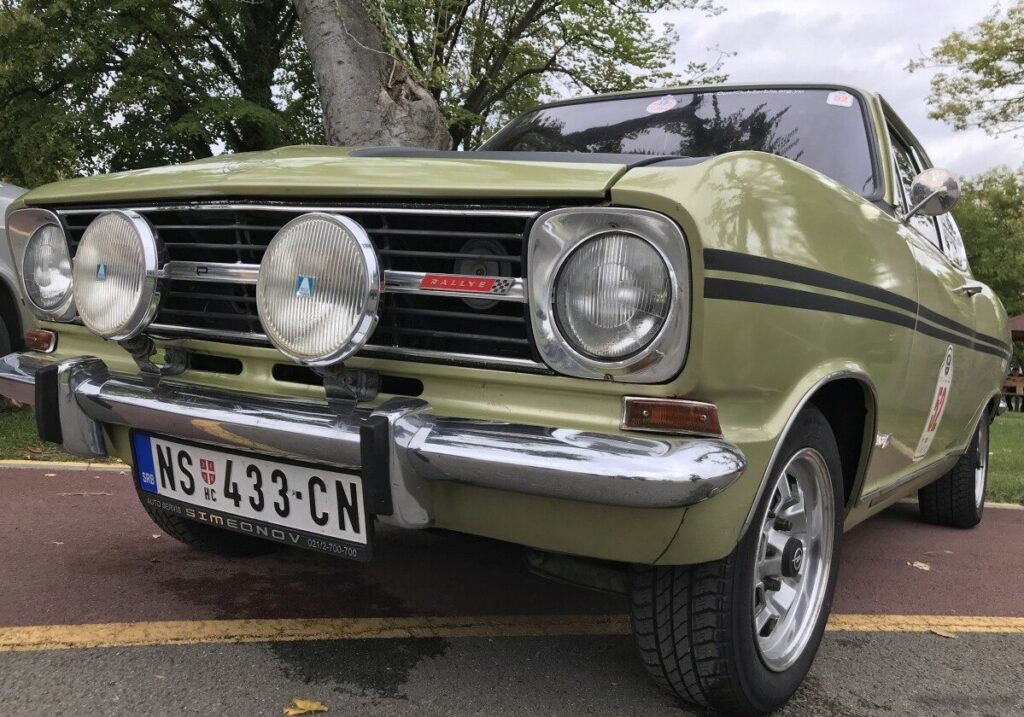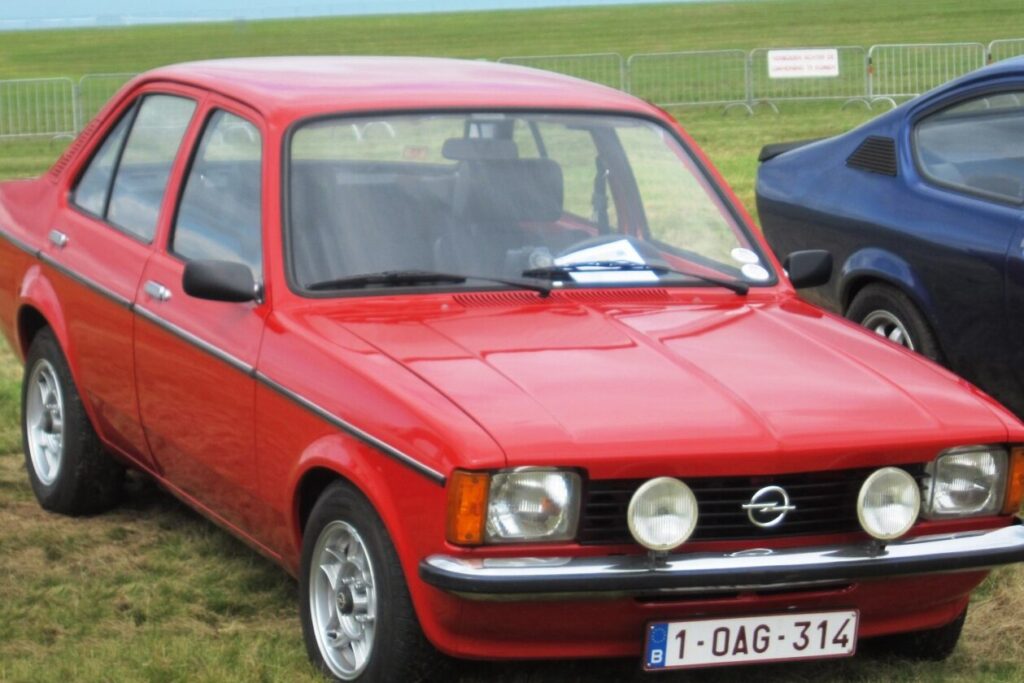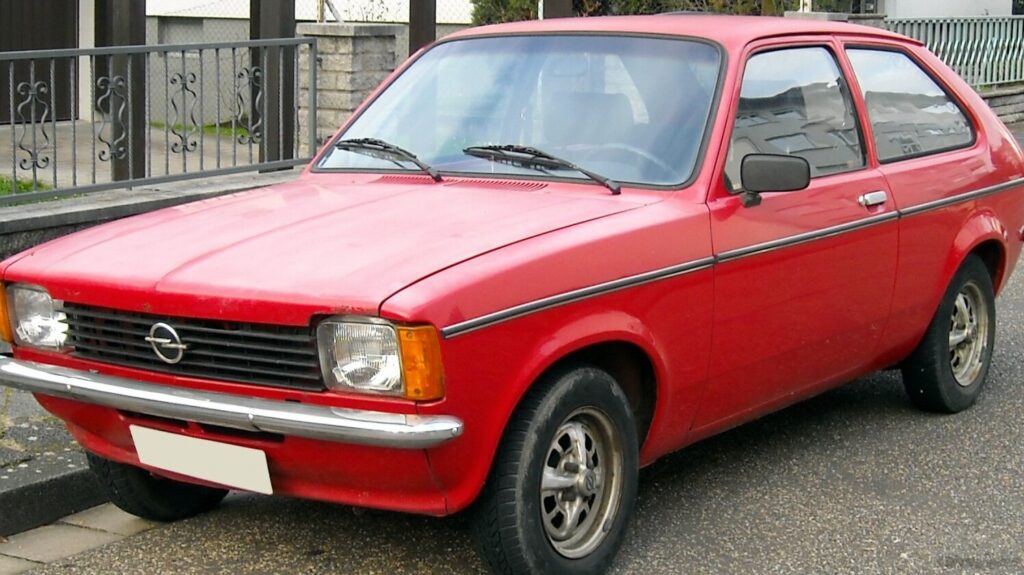
The Opel Kadett C City 1.6 S, produced between 1973 and 1979, represented a significant step forward for Opel’s compact car offerings. Positioned as a sporty variant within the broader Kadett C range (produced 1973-1979), the 1.6 S aimed to appeal to drivers seeking a bit more performance and style than the base models. It was a key player in the European small family car segment, competing with vehicles like the Ford Escort, Volkswagen Golf, and Fiat 128. The Kadett C was a pivotal model for Opel, modernizing their lineup and establishing a strong foothold in the increasingly competitive automotive market. This particular 1.6 S configuration, with its 75 horsepower engine and typically a four-speed manual transmission, offered a balance between affordability and driving enjoyment.
Technical Specifications
| Brand | Opel |
| Model | Kadett |
| Generation | Kadett C City |
| Type (Engine) | 1.6 S (75 Hp) |
| Start of production | 1973 |
| End of production | 1979 |
| Powertrain Architecture | Internal Combustion engine |
| Body type | Hatchback |
| Seats | 5 |
| Doors | 3 |
| Fuel consumption (combined) | 9.9 l/100 km (23.8 US mpg, 28.5 UK mpg, 10.1 km/l) |
| Fuel Type | Petrol (Gasoline) |
| Acceleration 0 – 100 km/h | 13 sec |
| Acceleration 0 – 62 mph | 13 sec |
| Acceleration 0 – 60 mph | 12.4 sec |
| Maximum speed | 155 km/h (96.31 mph) |
| Weight-to-power ratio | 10.6 kg/Hp (94.7 Hp/tonne) |
| Weight-to-torque ratio | 7 kg/Nm (142.7 Nm/tonne) |
| Power | 75 Hp @ 5000 rpm |
| Power per litre | 47.3 Hp/l |
| Torque | 113 Nm @ 4000 rpm (83.34 lb.-ft. @ 4000 rpm) |
| Engine layout | Front, Transverse |
| Engine Model/Code | 16S |
| Engine displacement | 1584 cm3 (96.66 cu. in.) |
| Number of cylinders | 4 |
| Engine configuration | Inline |
| Cylinder Bore | 85 mm (3.35 in.) |
| Piston Stroke | 69.8 mm (2.75 in.) |
| Compression ratio | 8.8:1 |
| Number of valves per cylinder | 2 |
| Fuel injection system | Carburettor |
| Engine aspiration | Naturally aspirated |
| Engine oil capacity | 3.8 l (4.02 US qt | 3.34 UK qt) |
| Coolant | 6.6 l (6.97 US qt | 5.81 UK qt) |
| Kerb Weight | 792 kg (1746.06 lbs.) |
| Max. weight | 1205 kg (2656.57 lbs.) |
| Max load | 413 kg (910.51 lbs.) |
| Trunk (boot) space – minimum | 410 l (14.48 cu. ft.) |
| Fuel tank capacity | 37 l (9.77 US gal | 8.14 UK gal) |
| Max. roof load | 60 kg (132.28 lbs.) |
| Permitted trailer load with brakes (12%) | 1000 kg (2204.62 lbs.) |
| Permitted trailer load without brakes | 485 kg (1069.24 lbs.) |
| Length | 3895 mm (153.35 in.) |
| Width | 1580 mm (62.2 in.) |
| Height | 1375 mm (54.13 in.) |
| Wheelbase | 2395 mm (94.29 in.) |
| Front track | 1300 mm (51.18 in.) |
| Rear (Back) track | 1299 mm (51.14 in.) |
| Minimum turning circle | 9.2 m (30.18 ft.) |
Powertrain & Engine Architecture
The heart of the Kadett C City 1.6 S was the 1584cc inline-four cylinder engine, designated the 16S. This engine featured a relatively simple, yet robust design. It utilized a single overhead camshaft (SOHC) operating two valves per cylinder. Fuel delivery was handled by a carburetor, a common setup for the era, providing adequate performance for the intended market. The 8.8:1 compression ratio was a compromise between performance and the fuel quality available in Europe at the time. The engine’s transverse mounting, coupled with front-wheel drive, was a relatively modern configuration for the early 1970s, contributing to improved space efficiency and handling. The four-speed manual transmission was the most common pairing, offering a direct and engaging driving experience. While an automatic transmission was available, it was less frequently chosen and often considered to detract from the “S” model’s sporty aspirations.
Driving Characteristics
The 1.6 S, with its 75 horsepower, offered a noticeable step up in performance compared to the base Kadett C models. Acceleration to 60 mph took around 12.4 seconds, and it could reach a top speed of 155 km/h (96 mph). While not a sports car by any means, it provided sufficient power for confident overtaking and comfortable cruising on highways. The four-speed manual transmission allowed drivers to make the most of the engine’s powerband, although the gear ratios were relatively widely spaced. Compared to the more powerful Kadett GT/E models (which featured fuel injection and higher compression ratios), the 1.6 S felt less responsive, particularly at higher engine speeds. However, the 1.6 S offered a more economical and user-friendly driving experience, making it a practical choice for everyday use.
Equipment & Trim Levels
The Kadett C City 1.6 S typically came equipped with a few sporty touches to differentiate it from the standard models. These included upgraded interior trim, often featuring patterned cloth seats, and a sporty steering wheel. Exterior features often included chrome trim around the windows and a slightly more aggressive front grille. Optional extras included a sunroof, upgraded audio systems, and tinted glass. The interior was functional and relatively basic, reflecting the car’s price point, but offered a comfortable and practical space for five passengers. The dashboard layout was straightforward, with clearly marked gauges for speed, fuel level, and engine temperature.
Chassis & Braking
The Kadett C City 1.6 S utilized a MacPherson strut front suspension and a rigid axle rear suspension. This setup provided a reasonable balance between ride comfort and handling. The front brakes were disc brakes, offering better stopping power than the drum brakes found on some lower-spec models. Rear brakes were typically drum brakes. The steering was a rack-and-pinion system, providing precise and responsive steering feel. Stabilizer bars were often included, further enhancing handling stability. The suspension was tuned to provide a comfortable ride, but it could feel somewhat soft and prone to body roll during aggressive cornering.
Market Reception & Comparison
The Kadett C City 1.6 S was generally well-received by automotive critics. It was praised for its practicality, affordability, and relatively sporty driving experience. Compared to other models in the Kadett C lineup, the 1.6 S offered a good balance between performance and fuel economy. It was more economical to run than the higher-performance GT/E models, while still providing a more engaging driving experience than the base models. Fuel economy was around 23.8 US mpg, which was respectable for the time. Reliability was generally good, although carburetor maintenance could be required periodically.
Legacy
The Opel Kadett C City 1.6 S remains a popular classic car among enthusiasts today. The 16S engine is known for its durability and relative simplicity, making it relatively easy to maintain. Parts availability is generally good, although some specific trim pieces can be difficult to find. The Kadett C City 1.6 S represents a significant milestone in Opel’s history, and it continues to be appreciated for its practicality, affordability, and classic styling. Well-maintained examples are becoming increasingly collectible, and they offer a charming and engaging driving experience for those seeking a taste of 1970s motoring.