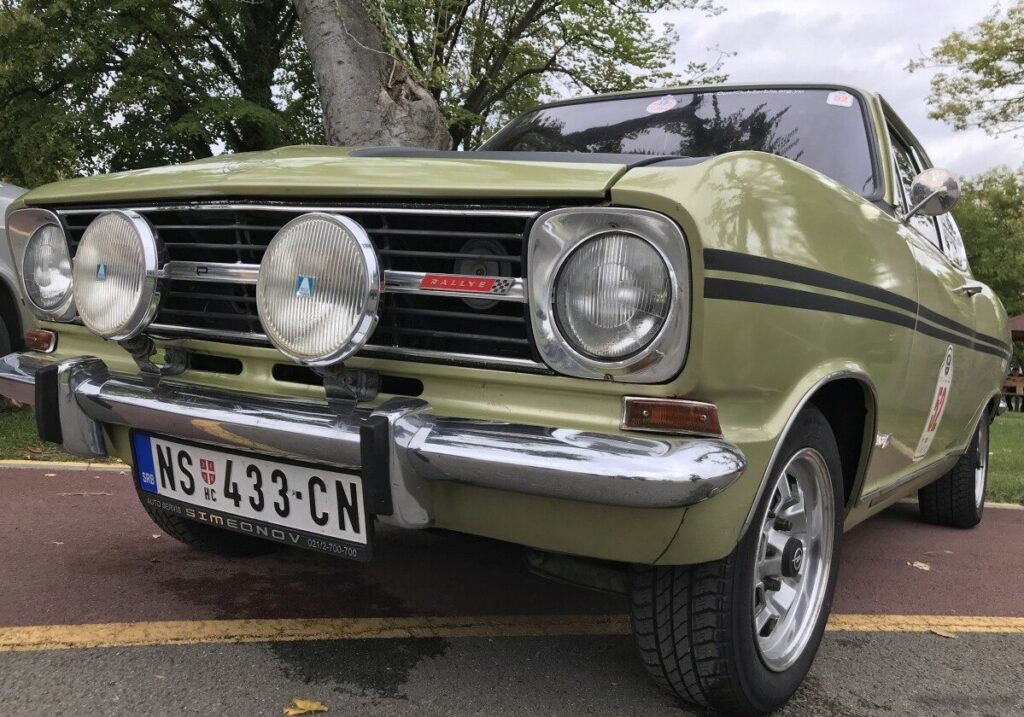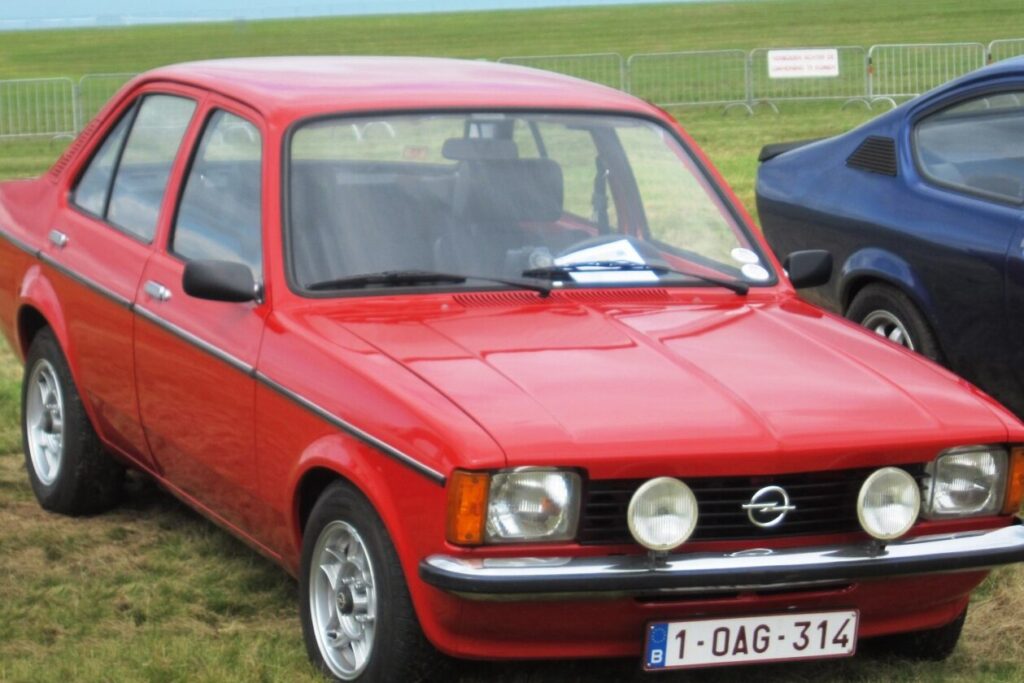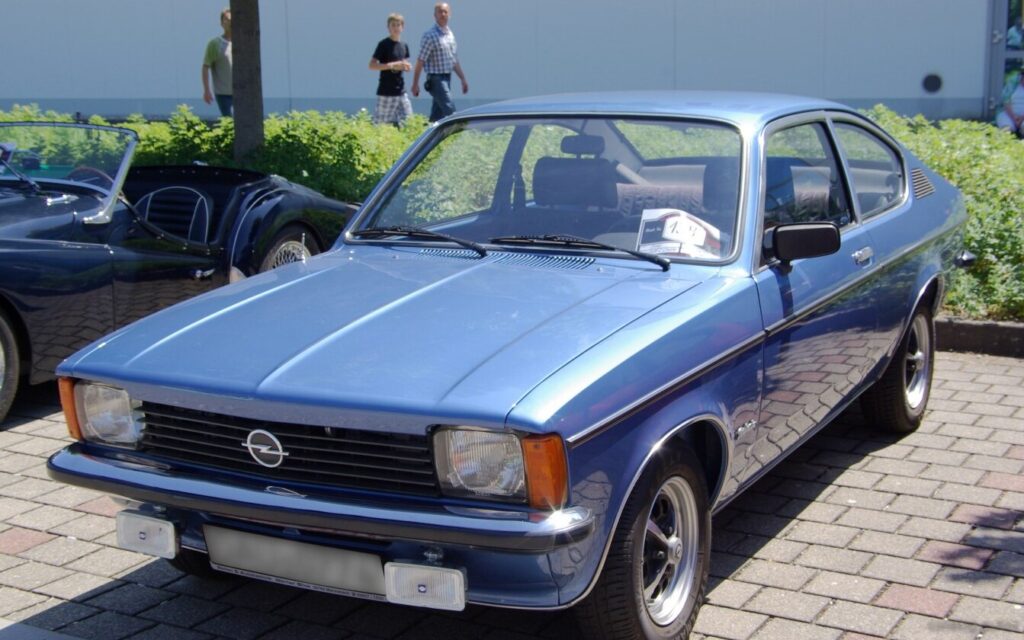
The Opel Kadett C Coupe 1.0, producing 48 horsepower, was a mainstay of the Kadett C range from 1973 to 1979. Positioned as the entry-level variant, it offered affordable transportation within the compact coupe segment, primarily in European markets. The Kadett C, launched in 1972, represented a significant step forward for Opel, building upon the success of the Kadett B. The Coupe version, distinguished by its two-door body style, aimed to appeal to buyers seeking a more sporty and stylish alternative to the four-door sedan. This particular 1.0-liter engine and four-speed manual transmission combination was designed for economy and accessibility, rather than outright performance.
Technical Specifications
| Brand | Opel |
| Model | Kadett |
| Generation | Kadett C Coupe |
| Type (Engine) | 1.0 (48 Hp) |
| Start of production | 1973 |
| End of production | 1979 |
| Powertrain Architecture | Internal Combustion engine |
| Body type | Coupe |
| Seats | 5 |
| Doors | 2 |
| Fuel consumption (combined) | 7.4 l/100 km (31.8 US mpg, 38.2 UK mpg, 13.5 km/l) |
| Fuel Type | Petrol (Gasoline) |
| Acceleration 0 – 100 km/h | 22.5 sec |
| Acceleration 0 – 62 mph | 22.5 sec |
| Acceleration 0 – 60 mph | 21.4 sec |
| Maximum speed | 132 km/h (82.02 mph) |
| Weight-to-power ratio | 16.5 kg/Hp (60.8 Hp/tonne) |
| Weight-to-torque ratio | 11.1 kg/Nm (89.9 Nm/tonne) |
| Power | 48 Hp @ 5600 rpm |
| Power per litre | 48.3 Hp/l |
| Torque | 71 Nm @ 3400 rpm (52.37 lb.-ft. @ 3400 rpm) |
| Engine layout | Front, Longitudinal |
| Engine Model/Code | 10S |
| Engine displacement | 993 cm3 (60.6 cu. in.) |
| Number of cylinders | 4 |
| Engine configuration | Inline |
| Cylinder Bore | 72 mm (2.83 in.) |
| Piston Stroke | 61 mm (2.4 in.) |
| Compression ratio | 7.9:1 |
| Number of valves per cylinder | 2 |
| Fuel injection system | Carburettor |
| Engine aspiration | Naturally aspirated |
| Engine oil capacity | 2.8 l (2.96 US qt | 2.46 UK qt) |
| Coolant | 4.9 l (5.18 US qt | 4.31 UK qt) |
| Kerb Weight | 790 kg (1741.65 lbs.) |
| Max. weight | 1205 kg (2656.57 lbs.) |
| Max load | 415 kg (914.92 lbs.) |
| Fuel tank capacity | 43 l (11.36 US gal | 9.46 UK gal) |
| Max. roof load | 60 kg (132.28 lbs.) |
| Permitted trailer load with brakes (12%) | 800 kg (1763.7 lbs.) |
| Permitted trailer load without brakes | 430 kg (947.99 lbs.) |
| Length | 4127 mm (162.48 in.) |
| Width | 1580 mm (62.2 in.) |
| Height | 1340 mm (52.76 in.) |
| Wheelbase | 2395 mm (94.29 in.) |
| Front track | 1300 mm (51.18 in.) |
| Rear track | 1299 mm (51.14 in.) |
| Minimum turning circle | 9.2 m (30.18 ft.) |
| Drivetrain Architecture | Rear wheel drive |
| Number of gears and type of gearbox | 4 gears, manual transmission |
| Front brakes | Drum |
| Rear brakes | Drum |
| Tires size | 155/80 SR13 |
| Wheel rims size | 13 |
Powertrain & Engine Architecture
The heart of the Kadett C Coupe 1.0 was the Opel 10S engine, a 993cc inline-four cylinder unit. This engine utilized a single overhead valve (OHV) valvetrain and a carburetor for fuel delivery. The 10S engine was known for its simplicity and durability, though it wasn’t a powerhouse. Its longitudinal front engine placement and rear-wheel drive configuration were typical for European cars of the era. The four-speed manual transmission was the only gearbox option available with this engine, prioritizing fuel efficiency over sporty driving. The engine’s relatively low compression ratio of 7.9:1 further contributed to its fuel economy, but limited its overall power output.
Driving Characteristics
The 48 horsepower and 52.37 lb-ft of torque produced by the 1.0-liter engine resulted in modest performance. Acceleration was slow, taking approximately 22.5 seconds to reach 62 mph. The car’s top speed was around 82 mph. The four-speed manual transmission offered a reasonable spread of gears, but required frequent shifting to maintain momentum, especially when climbing hills or overtaking. Compared to the more powerful Kadett C variants, such as those equipped with 1.2 or 1.6-liter engines, the 1.0-liter model felt significantly underpowered. However, its light weight (790 kg) helped to mitigate some of the performance deficit. The rear-wheel drive setup provided predictable handling, but lacked the sophistication of more modern suspension systems.
Equipment & Trim Levels
The Kadett C Coupe 1.0 was typically equipped with basic amenities. Standard features included cloth upholstery, vinyl floor covering, and simple instrumentation. The dashboard was functional but lacked the aesthetic refinements of higher trim levels. Optional extras included a radio, upgraded seat upholstery, and a sunroof. The 1.0-liter model was generally considered the “base” trim, with buyers opting for the larger engines and more luxurious trim packages if they desired additional features and comfort.
Chassis & Braking
The Kadett C Coupe utilized a relatively simple chassis design. It featured a conventional suspension setup with independent front suspension and a rigid axle rear suspension. Braking was accomplished via drum brakes on all four wheels. The suspension was tuned for comfort rather than sporty handling, providing a reasonably smooth ride on typical road surfaces. The drum brakes, while adequate for the car’s performance, lacked the stopping power and fade resistance of disc brakes.
Market Reception & Comparison
The Kadett C Coupe 1.0 was well-received as an affordable and economical coupe. Critics praised its fuel efficiency and practicality, but noted its lack of performance. Compared to other entry-level coupes of the time, such as the Ford Escort, the Kadett C offered a similar level of value and practicality. However, the Escort often boasted slightly better performance and handling. The 1.0-liter Kadett C was primarily targeted at budget-conscious buyers who prioritized fuel economy and reliability over outright speed.
Legacy
The Opel Kadett C Coupe 1.0, while not a performance icon, remains a popular classic car among enthusiasts. The 10S engine is known for its durability and relative simplicity, making it relatively easy to maintain. However, finding parts can sometimes be a challenge. Today, well-maintained examples of the Kadett C Coupe 1.0 are sought after by collectors and those seeking a nostalgic driving experience. The car represents a significant era in Opel’s history and a testament to the enduring appeal of affordable, practical transportation.