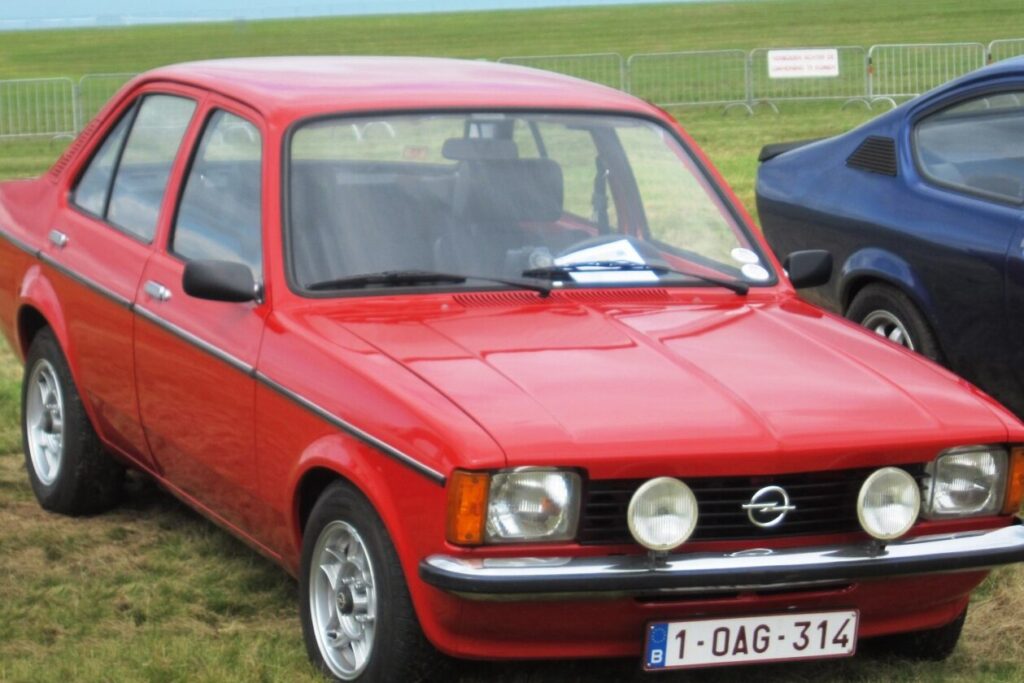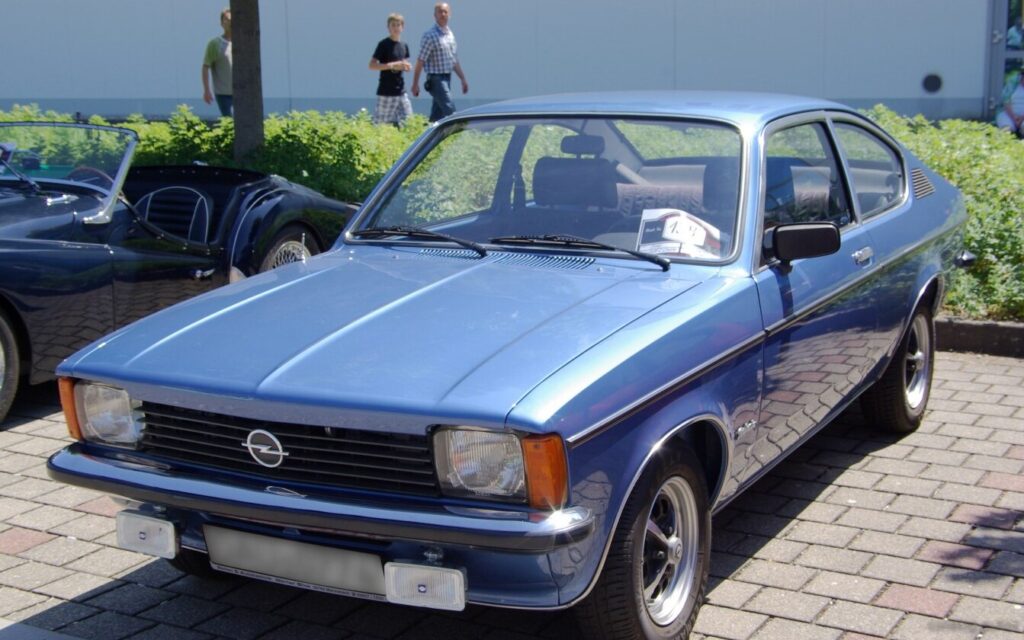
The Opel Kadett C Coupe 1.2, producing 52 horsepower, was a mainstay of the German automotive market from 1973 to 1977. Positioned as the entry-level variant of the Kadett C Coupe range, it offered affordable transportation in a stylish two-door package. The Kadett C, launched in 1972, represented a significant step forward for Opel, building upon the success of the Kadett B. The Coupe version, introduced shortly after the sedan, aimed to attract buyers seeking a sportier aesthetic. This particular 1.2-liter engine and four-speed manual transmission combination was designed for economy and accessibility, appealing to a broad customer base, particularly first-time car buyers and those prioritizing fuel efficiency.
Technical Specifications
| Brand | Opel |
| Model | Kadett |
| Generation | Kadett C Coupe |
| Type (Engine) | 1.2 (52 Hp) |
| Start of production | 1973 |
| End of production | 1977 |
| Powertrain Architecture | Internal Combustion engine |
| Body type | Coupe |
| Seats | 5 |
| Doors | 2 |
| Fuel Type | Petrol (Gasoline) |
| Acceleration 0 – 100 km/h | 21 sec |
| Acceleration 0 – 62 mph | 21 sec |
| Acceleration 0 – 60 mph | 20 sec |
| Maximum speed | 136 km/h (84.51 mph) |
| Weight-to-power ratio | 15.5 kg/Hp, 64.6 Hp/tonne |
| Weight-to-torque ratio | 10.2 kg/Nm, 98.1 Nm/tonne |
| Power | 52 Hp @ 5600 rpm |
| Power per litre | 43.5 Hp/l |
| Torque | 79 Nm @ 3400 rpm (58.27 lb.-ft. @ 3400 rpm) |
| Engine layout | Front, Longitudinal |
| Engine Model/Code | 12N |
| Engine displacement | 1196 cm3 (72.98 cu. in.) |
| Number of cylinders | 4 |
| Engine configuration | Inline |
| Cylinder Bore | 79 mm (3.11 in.) |
| Piston Stroke | 61 mm (2.4 in.) |
| Compression ratio | 7.8:1 |
| Number of valves per cylinder | 2 |
| Fuel injection system | Carburettor |
| Engine aspiration | Naturally aspirated engine |
| Valvetrain | OHV |
| Engine oil capacity | 2.8 l (2.96 US qt | 2.46 UK qt) |
| Coolant | 4.7 l (4.97 US qt | 4.14 UK qt) |
| Kerb Weight | 805 kg (1774.72 lbs) |
| Max. weight | 1170 kg (2579.41 lbs) |
| Max load | 365 kg (804.69 lbs) |
| Fuel tank capacity | 43 l (11.36 US gal | 9.46 UK gal) |
| Length | 4127 mm (162.48 in) |
| Width | 1580 mm (62.2 in) |
| Height | 1340 mm (52.76 in) |
| Wheelbase | 2395 mm (94.29 in) |
| Front track | 1300 mm (51.18 in) |
| Rear (Back) track | 1301 mm (51.22 in) |
| Ride height (ground clearance) | 140 mm (5.51 in) |
| Minimum turning circle | 9.2 m (30.18 ft) |
| Drivetrain Architecture | Rear wheel drive |
| Drive wheel | Rear wheel drive |
| Number of gears | 4 gears, manual transmission |
| Front brakes | Disc |
| Rear brakes | Drum |
Powertrain & Engine Architecture
The heart of the Kadett C Coupe 1.2 was the 12N engine, a 1196cc inline-four cylinder unit. This engine utilized an overhead valve (OHV) valvetrain and a single carburetor for fuel delivery. The 12N was a relatively simple design, prioritizing reliability and low manufacturing costs over outright performance. Its longitudinal front engine placement and rear-wheel drive configuration were typical for European cars of the era. The four-speed manual transmission was the standard offering, providing a direct connection between the engine and the rear wheels. The engine’s modest 52 horsepower at 5600 rpm and 79 Nm (58.27 lb-ft) of torque at 3400 rpm were sufficient for everyday driving, but didn’t offer significant reserves for overtaking or hill climbing.
Driving Characteristics
The 1.2-liter Kadett C Coupe offered a predictable, if uninspiring, driving experience. Acceleration was leisurely, taking approximately 21 seconds to reach 100 km/h (62 mph). The four-speed manual transmission required frequent shifting to maintain momentum, especially when encountering inclines. Compared to the more powerful Kadett C variants, such as those equipped with the 1.6-liter engine, the 1.2 felt noticeably underpowered. However, the lighter weight of the 1.2-liter model did contribute to slightly better handling and fuel economy. The rear-wheel drive layout provided a balanced feel, although it lacked the sophistication of more modern suspension systems.
Equipment & Trim Levels
The Kadett C Coupe 1.2 was typically equipped with basic amenities. Standard features included cloth upholstery, a simple dashboard layout with analog gauges, and manually operated windows and door locks. Optional extras, such as a radio, upgraded interior trim, and a sunroof, were available at an additional cost. The interior was functional and durable, reflecting the car’s focus on affordability. The exterior styling was characterized by clean lines and a relatively understated design, typical of early 1970s European coupes.
Chassis & Braking
The Kadett C Coupe utilized a conventional chassis design with a separate body-on-frame construction. The suspension consisted of independent front suspension with coil springs and a rigid rear axle with leaf springs. Braking was provided by disc brakes on the front wheels and drum brakes on the rear. The braking system was adequate for the car’s performance capabilities, but lacked the stopping power of more advanced systems. The relatively narrow tires and simple suspension setup contributed to a comfortable, but not particularly sporty, ride.
Market Reception & Comparison
The Kadett C Coupe 1.2 was generally well-received as an affordable and reliable entry-level coupe. Critics praised its fuel efficiency and practicality, but noted its lack of performance. Compared to the 1.6-liter Kadett C Coupe, the 1.2 offered significantly less power and acceleration. However, it was also more affordable to purchase and operate. The 1.2-liter engine was known for its durability, and maintenance costs were relatively low. It competed with other small European coupes of the era, such as the Ford Escort Coupe and the Fiat 124 Coupe.
Legacy
The Opel Kadett C Coupe 1.2 remains a popular choice among classic car enthusiasts, particularly those seeking an affordable and easy-to-maintain vintage vehicle. The 12N engine is known for its robustness, and spare parts are still relatively readily available. While not a high-performance machine, the Kadett C Coupe 1.2 offers a charming and nostalgic driving experience. Its simple design and durable construction have ensured its survival in significant numbers, making it a common sight at classic car shows and rallies. In the used car market today, well-maintained examples of the Kadett C Coupe 1.2 can fetch reasonable prices, reflecting its enduring appeal as a classic German automobile.