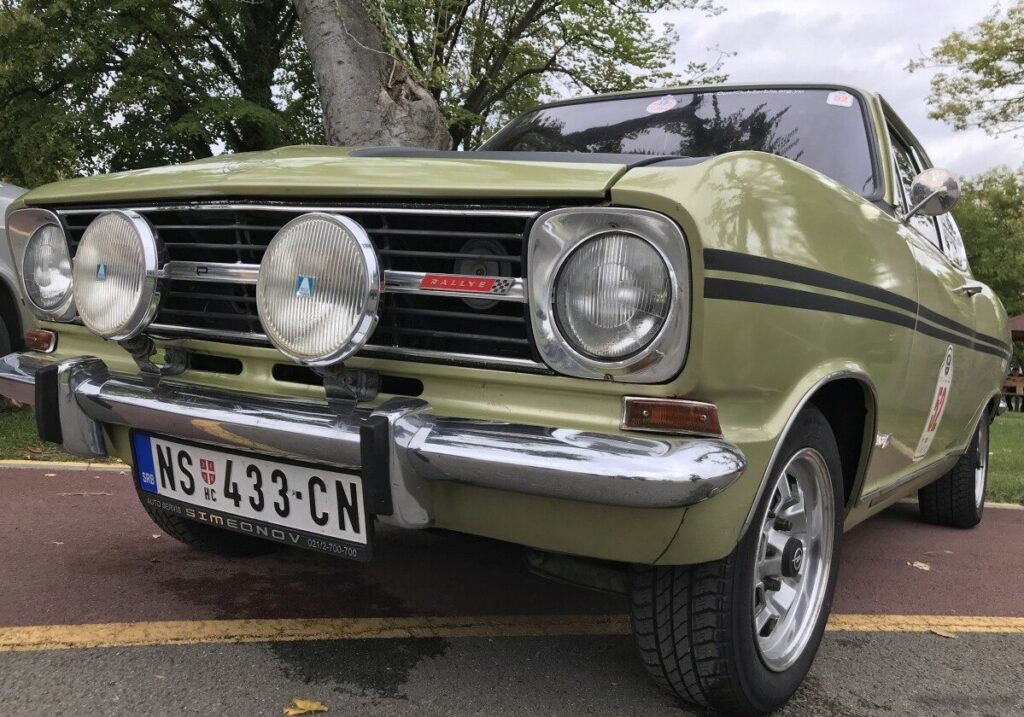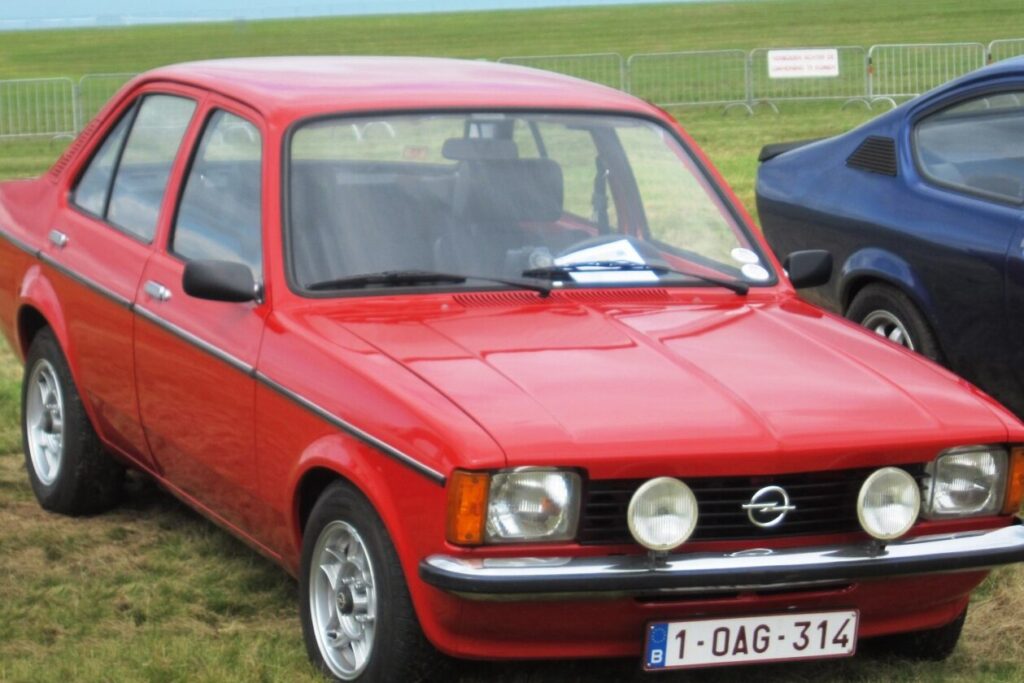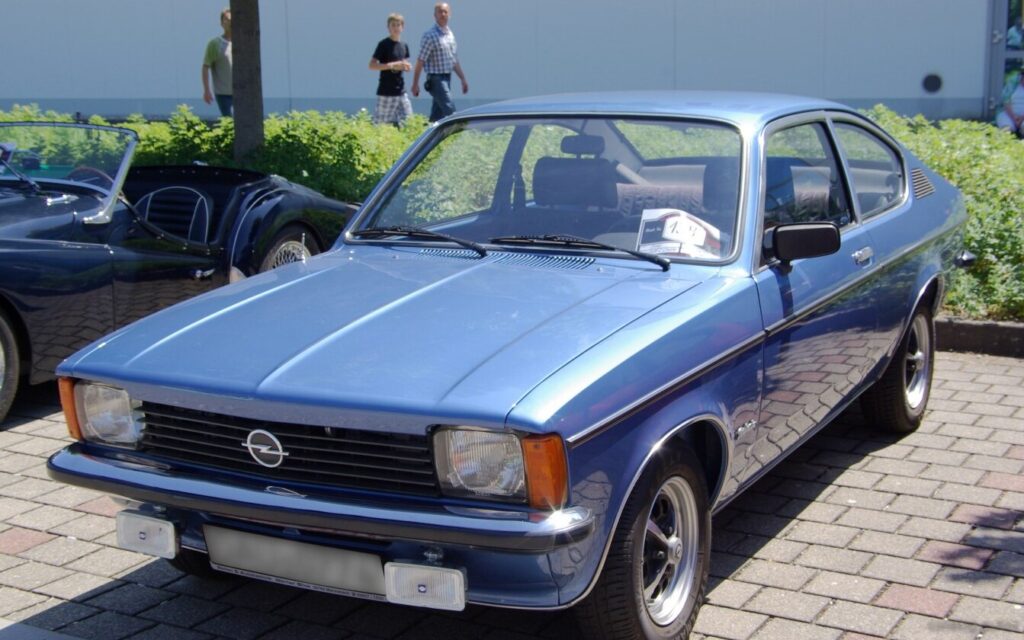
The Opel Kadett C Coupe 1.2, producing 55 horsepower, was a mainstay of the German automotive market from 1973 to 1979. Positioned as the entry-level variant of the Kadett C Coupe range, it offered affordable transportation in a stylish two-door package. This model played a significant role in providing a practical and economical option for families and individuals during a period of economic change in Europe. It was part of the broader Kadett C generation (1972-1979), which represented a substantial modernization of the Kadett line, moving away from the more utilitarian designs of its predecessors.
Technical Specifications
| Brand | Opel |
| Model | Kadett |
| Generation | Kadett C Coupe |
| Type (Engine) | 1.2 (55 Hp) |
| Start of production | 1973 |
| End of production | 1979 |
| Powertrain Architecture | Internal Combustion engine |
| Body type | Coupe |
| Seats | 5 |
| Doors | 2 |
| Fuel Type | Petrol (Gasoline) |
| Acceleration 0 – 100 km/h | 19 sec |
| Acceleration 0 – 62 mph | 19 sec |
| Acceleration 0 – 60 mph | 18.1 sec |
| Maximum speed | 142 km/h (88.23 mph) |
| Weight-to-power ratio | 14.6 kg/Hp, 68.3 Hp/tonne |
| Weight-to-torque ratio | 9.6 kg/Nm, 104.3 Nm/tonne |
| Power | 55 Hp @ 5400 rpm |
| Power per litre | 46 Hp/l |
| Torque | 84 Nm @ 3400 rpm (61.96 lb.-ft. @ 3400 rpm) |
| Engine layout | Front, Longitudinal |
| Engine Model/Code | 12N |
| Engine displacement | 1196 cm3 (72.98 cu. in.) |
| Number of cylinders | 4 |
| Engine configuration | Inline |
| Cylinder Bore | 79 mm (3.11 in.) |
| Piston Stroke | 61 mm (2.4 in.) |
| Compression ratio | 7.8:1 |
| Number of valves per cylinder | 2 |
| Fuel injection system | Carburettor |
| Engine aspiration | Naturally aspirated engine |
| Valvetrain | OHV |
| Engine oil capacity | 2.8 l (2.96 US qt | 2.46 UK qt) |
| Coolant | 4.6 l (4.86 US qt | 4.05 UK qt) |
| Kerb Weight | 805 kg (1774.72 lbs.) |
| Max. weight | 1170 kg (2579.41 lbs.) |
| Max load | 365 kg (804.69 lbs.) |
| Fuel tank capacity | 43 l (11.36 US gal | 9.46 UK gal) |
| Length | 4127 mm (162.48 in.) |
| Width | 1580 mm (62.2 in.) |
| Height | 1340 mm (52.76 in.) |
| Wheelbase | 2395 mm (94.29 in.) |
| Front track | 1300 mm (51.18 in.) |
| Rear (Back) track | 1301 mm (51.22 in.) |
| Minimum turning circle | 9.2 m (30.18 ft.) |
| Drivetrain Architecture | Rear wheel drive |
| Drive wheel | Rear wheel drive |
| Number of gears | 4 gears, manual transmission |
| Front brakes | Disc |
| Rear brakes | Drum |
Powertrain & Engine Architecture
The heart of the Kadett C Coupe 1.2 was the 12N engine, a 1196cc inline-four cylinder unit. This engine utilized an overhead valve (OHV) valvetrain and a single carburetor for fuel delivery. The 12N was a relatively simple and robust design, prioritizing reliability and affordability over outright performance. Its longitudinal front engine placement and rear-wheel drive configuration were typical for European cars of this era. The engine produced 55 horsepower at 5400 rpm and 84 Nm (62 lb-ft) of torque at 3400 rpm. The four-speed manual transmission was the standard offering, providing a straightforward driving experience. The engine’s relatively low compression ratio of 7.8:1 meant it could run on lower octane fuel, further contributing to its affordability.
Driving Characteristics
The 1.2-liter Kadett C Coupe was not known for its blistering acceleration. The 0-60 mph time of around 18.1 seconds reflects its modest power output. However, it offered adequate performance for everyday driving, particularly in urban and rural environments. The four-speed manual transmission provided reasonable control, but the engine needed to be revved to extract the most from it. Compared to the more powerful Kadett C variants, such as those equipped with the 1.6-liter engine, the 1.2 felt noticeably slower. The rear-wheel drive layout provided a balanced feel, but the relatively narrow tires and basic suspension setup limited grip. The gear ratios were geared towards economy rather than outright speed.
Equipment & Trim Levels
The 1.2-liter Kadett C Coupe was typically the base model, and as such, came with a fairly basic level of equipment. Standard features included cloth upholstery, vinyl floor covering, and basic instrumentation. The dashboard was functional but lacked the more sophisticated features found in higher trim levels. Optional extras included a radio, upgraded upholstery, and a sunroof. The exterior trim was minimal, with simple chrome accents and steel wheels with hubcaps. The focus was on providing a practical and affordable vehicle, so luxury features were kept to a minimum.
Chassis & Braking
The Kadett C Coupe utilized a body-on-frame construction, which was common for cars of this era. The suspension consisted of independent front suspension with coil springs and a rigid rear axle with leaf springs. The braking system featured disc brakes on the front wheels and drum brakes on the rear. The braking performance was adequate for the car’s weight and performance, but it lacked the stopping power of more modern vehicles. The steering was a recirculating ball system, which provided a relatively heavy but precise feel. Stabilizer bars were not typically fitted to the base 1.2-liter model.
Market Reception & Comparison
The Kadett C Coupe 1.2 was generally well-received as an affordable and reliable family car. Critics praised its practicality and fuel economy, but noted its lack of performance. Compared to other cars in its class, such as the Ford Escort and Volkswagen Golf, the Kadett C Coupe offered a competitive price point. The 1.6-liter Kadett C offered significantly more performance, but at a higher cost. The 1.2-liter model appealed to buyers who prioritized economy and practicality over outright speed. Reliability was generally good, although the carburetor required periodic adjustment and maintenance.
Legacy
The Opel Kadett C Coupe 1.2, while not a performance icon, holds a significant place in automotive history as a representative of affordable European motoring in the 1970s. The 12N engine proved to be a durable and reliable unit, and many examples are still on the road today. In the used car market, these Kadetts are appreciated by enthusiasts for their simplicity, affordability, and classic styling. Parts availability can be a challenge, but a dedicated community of owners and restorers helps to keep these cars running. The Kadett C Coupe 1.2 represents a bygone era of automotive design and engineering, offering a glimpse into a time when cars were built to be practical, reliable, and affordable.