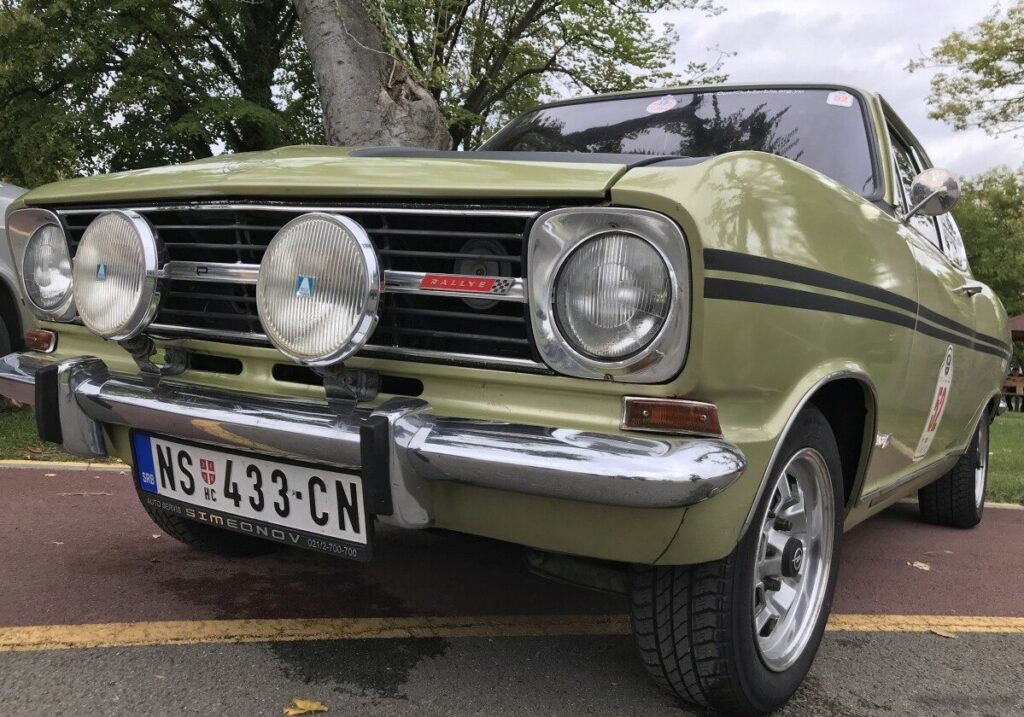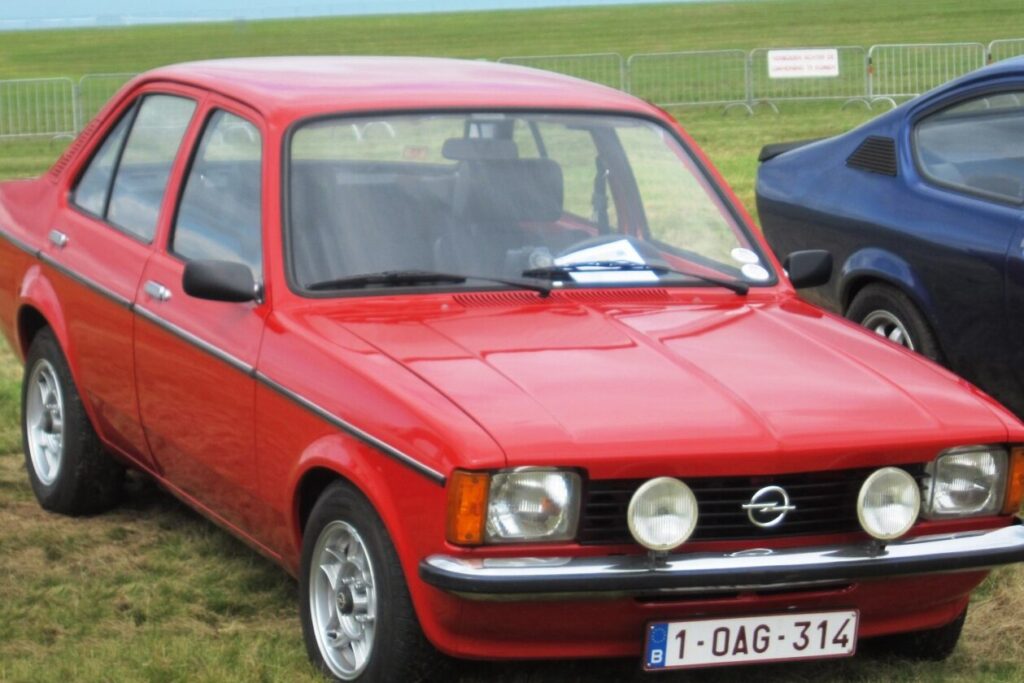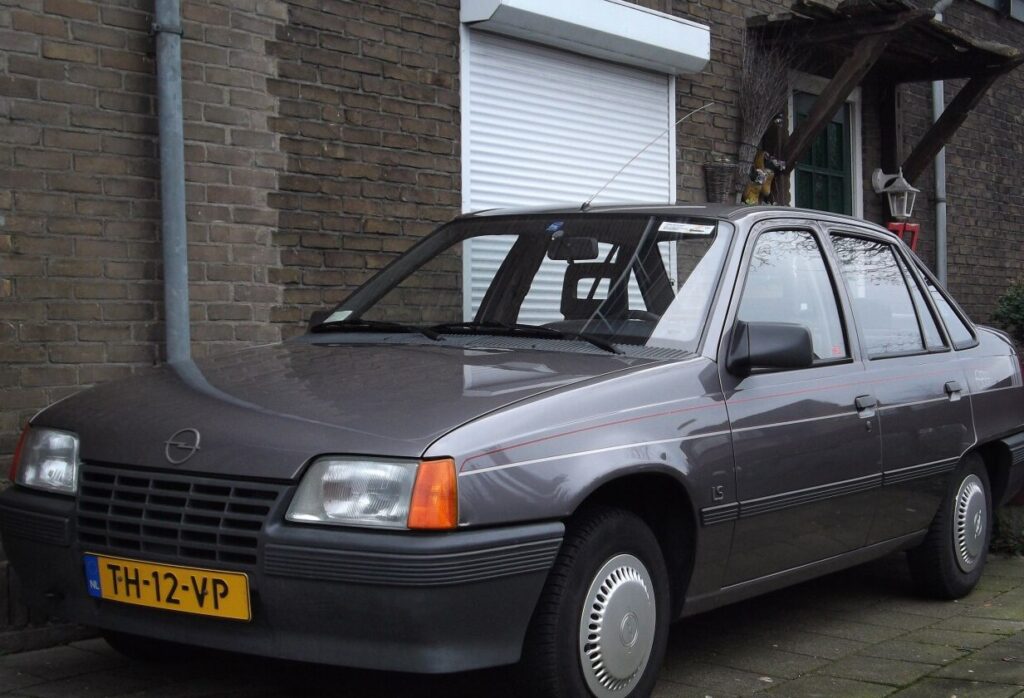
The Opel Kadett E 1.8 S, producing 84 horsepower, was a variant of the Kadett E produced between 1987 and 1991. Positioned as a mid-range offering within the Kadett E lineup, it aimed to provide a balance between affordability, practicality, and reasonable performance. The Kadett E itself was a significant model for Opel, representing a substantial leap forward in design, technology, and build quality compared to its predecessor, the Kadett D. It was built on the GM T platform (internally designated as the 1HX0/A3 platform), shared with other European and global GM products like the Vauxhall Astra, Isuzu Gemini, and Holden Nova. The Kadett E was primarily a European market vehicle, and the 1.8 S variant played a role in offering a more spirited driving experience than the base models, while remaining accessible to a broad customer base.
Technical Specifications
| Brand | Opel |
| Model | Kadett |
| Generation | Kadett E |
| Type (Engine) | 1.8 S (84 Hp) |
| Start of production | 1987 |
| End of production | 1991 |
| Powertrain Architecture | Internal Combustion engine |
| Body type | Sedan |
| Seats | 5 |
| Doors | 4 |
| Fuel Type | Petrol (Gasoline) |
| Acceleration 0 – 100 km/h | 11.5 sec |
| Acceleration 0 – 62 mph | 11.5 sec |
| Acceleration 0 – 60 mph | 10.9 sec |
| Maximum speed | 178 km/h (110.6 mph) |
| Weight-to-power ratio | 11.5 kg/Hp, 86.6 Hp/tonne |
| Weight-to-torque ratio | 6.8 kg/Nm, 147.4 Nm/tonne |
| Power | 84 Hp @ 5400 rpm |
| Power per litre | 46.8 Hp/l |
| Torque | 143 Nm @ 2600 rpm (105.47 lb.-ft. @ 2600 rpm) |
| Engine layout | Front, Transverse |
| Engine Model/Code | E18NV, S18NV |
| Engine displacement | 1796 cm3 (109.6 cu. in.) |
| Number of cylinders | 4 |
| Engine configuration | Inline |
| Cylinder Bore | 84.8 mm (3.34 in.) |
| Piston Stroke | 79.5 mm (3.13 in.) |
| Compression ratio | 9.2:1 |
| Number of valves per cylinder | 2 |
| Fuel injection system | Carburettor |
| Engine aspiration | Naturally aspirated engine |
| Valvetrain | SOHC |
| Engine oil capacity | 4 l (4.23 US qt | 3.52 UK qt) |
| Coolant | 7.5 l (7.93 US qt | 6.6 UK qt) |
| Kerb Weight | 970 kg (2138.48 lbs.) |
| Max. weight | 1445 kg (3185.68 lbs.) |
| Max load | 475 kg (1047.2 lbs.) |
| Trunk (boot) space – minimum | 550 l (19.42 cu. ft.) |
| Trunk (boot) space – maximum | 890 l (31.43 cu. ft.) |
| Fuel tank capacity | 52 l (13.74 US gal | 11.44 UK gal) |
| Permitted trailer load with brakes (12%) | 1000 kg (2204.62 lbs.) |
| Permitted trailer load without brakes | 450 kg (992.08 lbs.) |
| Length | 4218 mm (166.06 in.) |
| Width | 1658 mm (65.28 in.) |
| Height | 1400 mm (55.12 in.) |
| Wheelbase | 2520 mm (99.21 in.) |
| Front track | 1400 mm (55.12 in.) |
| Rear (Back) track | 1406 mm (55.35 in.) |
| Minimum turning circle | 10.5 m (34.45 ft.) |
Powertrain & Engine Architecture
The heart of the Kadett E 1.8 S was the E18NV or S18NV engine, an inline four-cylinder unit displacing 1796cc (109.6 cubic inches). This engine featured a single overhead camshaft (SOHC) valvetrain operating two valves per cylinder. Unlike later Opel engines which embraced fuel injection, the 1.8 S utilized a carburetor for fuel delivery. This was a cost-saving measure, and while it offered simplicity, it also meant less precise fuel control compared to injection systems. The engine produced 84 horsepower at 5400 rpm and 143 Nm (105.47 lb-ft) of torque at 2600 rpm. The transmission was a four-speed manual gearbox, designed to provide adequate performance for everyday driving. The front-wheel-drive configuration was standard for the Kadett E.
Driving Characteristics
The 1.8 S, with its 84 horsepower and four-speed manual transmission, offered a noticeable step up in performance compared to the base Kadett E models equipped with smaller engines. Acceleration from 0 to 60 mph took approximately 10.9 seconds, and it could reach a top speed of 110.6 mph. While not a sports car, the 1.8 S provided sufficient power for comfortable highway cruising and overtaking. The carburetor, however, meant that throttle response wasn’t as crisp as fuel-injected counterparts. The four-speed gearbox had relatively widely spaced ratios, which meant that finding the optimal gear for a given situation sometimes required careful consideration. Compared to the later 1.6-liter models, the 1.8 S offered more torque, making it feel more relaxed during everyday driving. It was a significant step down in performance from the more expensive Kadett E GSi models, which featured larger engines and more sophisticated suspension setups.
Equipment & Trim Levels
The Kadett E 1.8 S typically came equipped with features considered standard for a mid-range vehicle in the late 1980s. This included cloth upholstery, basic instrumentation (speedometer, fuel gauge, temperature gauge), and a four-spoke steering wheel. Power steering was often an optional extra. The interior was functional and durable, prioritizing practicality over luxury. Optional extras could include a sunroof, upgraded audio system, and central locking. The exterior trim generally consisted of body-colored bumpers and side moldings. The 1.8 S trim level sat above the base models but below the more luxurious and sporty GSi variants.
Chassis & Braking
The Kadett E utilized a MacPherson strut front suspension and a twist-beam rear suspension. The 1.8 S variant typically featured disc brakes on the front wheels and drum brakes on the rear. This configuration was common for vehicles in this price range at the time. Stabilizer bars were often included, contributing to reduced body roll during cornering. The suspension was tuned for comfort, providing a relatively smooth ride over uneven surfaces. The chassis was relatively lightweight, contributing to the car’s reasonable handling characteristics.
Market Reception & Comparison
The Kadett E 1.8 S was generally well-received by automotive critics as a practical and affordable family car. It was praised for its spacious interior, comfortable ride, and reasonable fuel economy. However, the carburetor engine was sometimes criticized for its lack of refinement and slightly sluggish performance compared to fuel-injected alternatives. Compared to the 1.6-liter Kadett E, the 1.8 S offered a noticeable improvement in performance, making it a more appealing option for drivers who frequently traveled on highways or carried passengers. The GSi models, with their more powerful engines and sport-tuned suspensions, were aimed at a different segment of the market – those seeking a more engaging driving experience.
Legacy
The Opel Kadett E 1.8 S, while not a particularly rare or collectible variant, remains a popular choice among classic car enthusiasts and those seeking an affordable and reliable vintage vehicle. The E18NV engine, while simple in design, proved to be relatively durable and easy to maintain. Parts availability is generally good, although some components may be becoming increasingly difficult to find. Today, these Kadetts are often found in well-preserved condition, serving as a testament to their build quality and enduring appeal. The Kadett E, as a whole, is remembered as a pivotal model for Opel, marking a significant improvement in quality and design and paving the way for future generations of Opel vehicles.