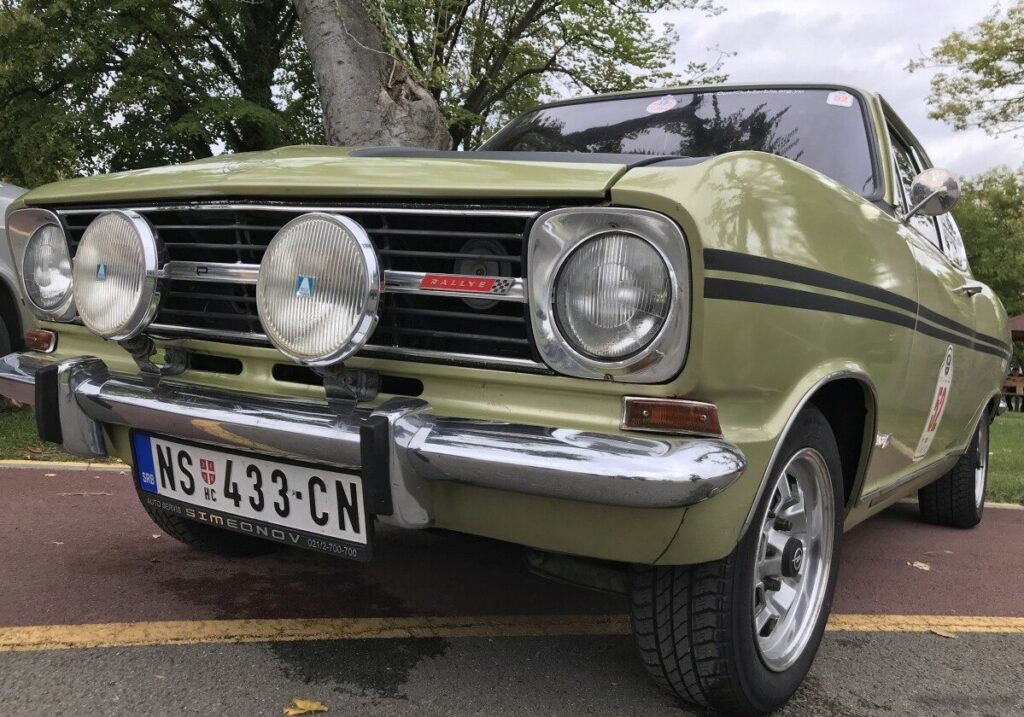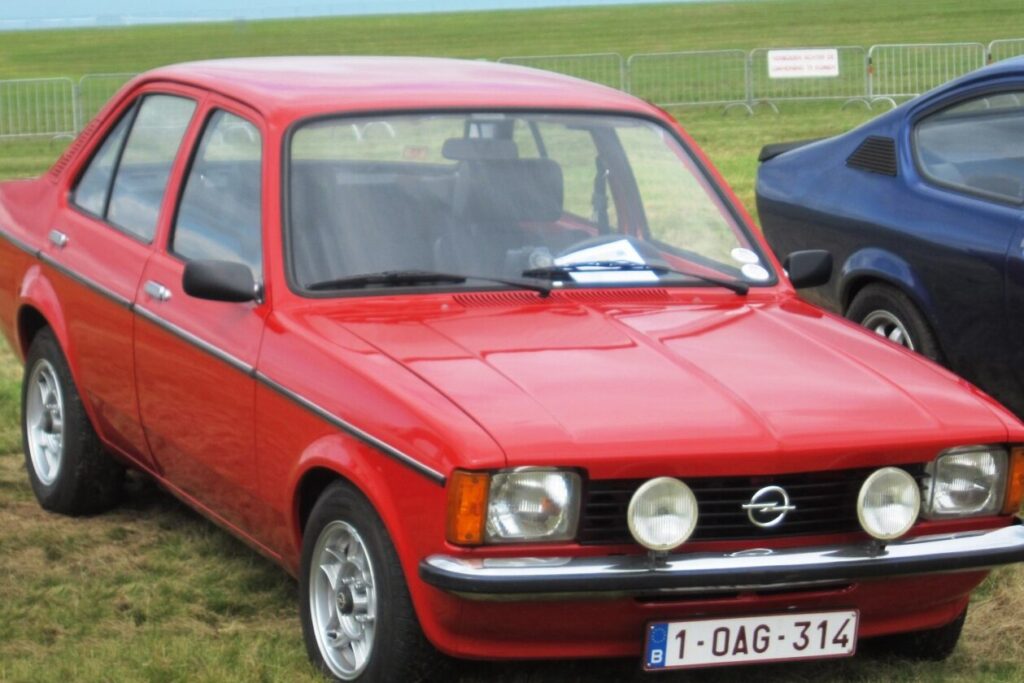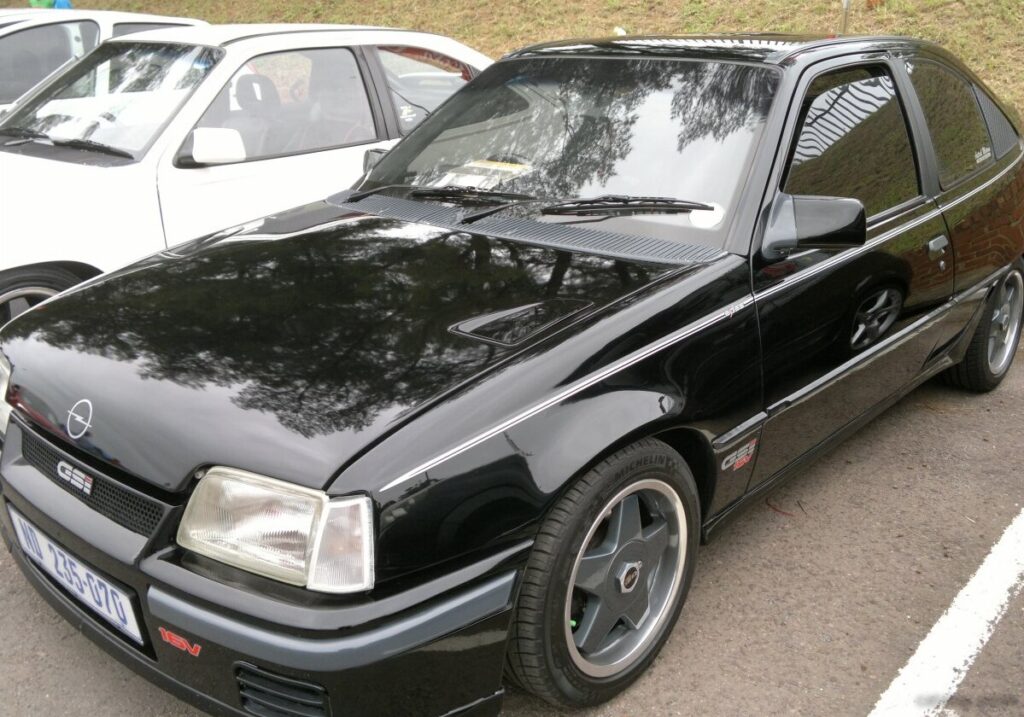
The Opel Kadett E CC 1.4i Automatic, produced from 1990 to 1991, represented an entry-level offering within the broader Kadett E range. The Kadett E, launched in 1986, was Opel’s compact offering, intended to replace the aging Kadett D. The “CC” designation signified the *Coupé Caravan* body style, essentially a five-door hatchback. This particular variant, powered by the 1.4-liter C14NZ engine paired with a three-speed automatic transmission, was aimed at buyers prioritizing affordability and ease of use over outright performance. It occupied the lowest rung of the Kadett E powertrain ladder, positioned below the 1.6-liter and 2.0-liter engine options, as well as the manual transmission variants.
Technical Specifications
| Brand | Opel |
| Model | Kadett |
| Generation | Kadett E CC |
| Type (Engine) | 1.4i (60 Hp) Automatic |
| Start of production | 1990 |
| End of production | 1991 |
| Powertrain Architecture | Internal Combustion engine |
| Body type | Hatchback |
| Seats | 5 |
| Doors | 3-5 |
| Fuel Type | Petrol (Gasoline) |
| Acceleration 0 – 100 km/h | 18 sec |
| Acceleration 0 – 62 mph | 18 sec |
| Acceleration 0 – 60 mph | 17.1 sec |
| Maximum speed | 155 km/h (96.31 mph) |
| Weight-to-power ratio | 14.7 kg/Hp, 68.2 Hp/tonne |
| Weight-to-torque ratio | 9.4 kg/Nm, 106.8 Nm/tonne |
| Power | 60 Hp @ 5800 rpm |
| Power per litre | 46.3 Hp/l |
| Torque | 94 Nm @ 3400-3800 rpm (69.33 lb.-ft. @ 3400-3800 rpm) |
| Engine layout | Front, Transverse |
| Engine Model/Code | C14NZ |
| Engine displacement | 1297 cm3 (79.15 cu. in.) |
| Number of cylinders | 4 |
| Engine configuration | Inline |
| Cylinder Bore | 75 mm (2.95 in.) |
| Piston Stroke | 73.4 mm (2.89 in.) |
| Compression ratio | 8.2:1 |
| Number of valves per cylinder | 2 |
| Fuel injection system | Carburettor |
| Engine aspiration | Naturally aspirated engine |
| Valvetrain | SOHC |
| Engine oil capacity | 3 l (3.17 US qt | 2.64 UK qt) |
| Coolant | 6.2 l (6.55 US qt | 5.46 UK qt) |
| Kerb Weight | 880 kg (1940.07 lbs.) |
| Max. weight | 1335 kg (2943.17 lbs.) |
| Max load | 455 kg (1003.1 lbs.) |
| Trunk (boot) space – minimum | 485 l (17.13 cu. ft.) |
| Trunk (boot) space – maximum | 1385 l (48.91 cu. ft.) |
| Length | 3998 mm (157.4 in.) |
| Width | 1663 mm (65.47 in.) |
| Height | 1400 mm (55.12 in.) |
| Wheelbase | 2520 mm (99.21 in.) |
| Front track | 1400 mm (55.12 in.) |
| Rear (Back) track | 1406 mm (55.35 in.) |
| Minimum turning circle | 10.5 m (34.45 ft.) |
| Drivetrain Architecture | The Internal combustion engine (ICE) drives the front wheels of the vehicle. |
| Drive wheel | Front wheel drive |
| Number of gears and type of gearbox | 3 gears, automatic transmission |
| Front brakes | Disc |
| Rear brakes | Drum |
| Tires size | 175/70 R13 |
| Wheel rims size | 13 |
Powertrain & Engine Architecture
The heart of the Kadett E CC 1.4i Automatic was the C14NZ engine, a 1.3-liter (1297 cc) inline-four cylinder unit. This engine was characterized by its simplicity and durability, utilizing a single overhead camshaft (SOHC) valvetrain with two valves per cylinder. Unlike later Opel engines, the C14NZ employed a carburetor for fuel delivery, a cost-saving measure that contributed to its affordability. The carburetor, while less efficient than fuel injection, was relatively easy to maintain. The engine produced 60 horsepower at 5800 rpm and 94 Nm (69.33 lb-ft) of torque between 3400 and 3800 rpm. This power was then channeled through a three-speed automatic transmission, a General Motors-sourced unit known for its smooth, if somewhat slow, shifting characteristics.
Driving Characteristics
The 1.4i Automatic Kadett E was not designed for spirited driving. Acceleration was leisurely, taking approximately 18 seconds to reach 62 mph (100 km/h). The three-speed automatic transmission, while providing convenience, resulted in noticeable gaps in power delivery. The gear ratios were optimized for fuel economy rather than performance. Compared to the 1.6-liter or 2.0-liter Kadett E models, or even the 1.4-liter with a manual transmission, the automatic version felt significantly slower and less responsive. However, for urban commuting and relaxed cruising, the 1.4i Automatic offered a comfortable and undemanding driving experience.
Equipment & Trim Levels
The 1.4i Automatic Kadett E typically came with a basic level of equipment. Standard features generally included cloth upholstery, a basic instrument cluster, and manual windows and door locks. Power steering was often an optional extra, as was a radio. The interior trim was functional and durable, prioritizing practicality over luxury. The exterior styling was relatively understated, with black plastic trim and steel wheels being common features. Optional extras could include upgraded upholstery, a sunroof, and alloy wheels, but these were rarely specified on the base 1.4i Automatic model.
Chassis & Braking
The Kadett E CC utilized a MacPherson strut front suspension and a torsion beam rear suspension. The suspension setup was tuned for comfort, providing a relatively smooth ride over uneven surfaces. Braking was accomplished via disc brakes on the front wheels and drum brakes on the rear. The braking system was adequate for the car’s performance, but lacked the stopping power of more modern vehicles. Stabilizer bars were often omitted on the base models to further reduce cost.
Market Reception & Comparison
The Kadett E CC 1.4i Automatic was generally viewed as a sensible and affordable option for buyers seeking a practical and economical family car. Critics acknowledged its lack of performance but praised its fuel efficiency and ease of use. Compared to the manual transmission versions of the 1.4-liter Kadett E, the automatic offered greater convenience but at the expense of fuel economy and acceleration. The 1.6-liter and 2.0-liter models provided significantly more performance but came at a higher price point. The Kadett E faced competition from other European compact cars, such as the Volkswagen Golf, Ford Escort, and Peugeot 205.
Legacy
The C14NZ engine and the associated three-speed automatic transmission proved to be relatively reliable powertrains. While not known for their longevity in the same way as some of Opel’s later engines, they were generally durable and relatively inexpensive to repair. Today, the Kadett E CC 1.4i Automatic is a relatively rare sight on the roads, but it remains a popular choice among classic car enthusiasts seeking an affordable and nostalgic vehicle. Parts availability can be a challenge, but many components are still available through specialist suppliers. The car’s simplicity and affordability continue to appeal to those looking for a classic European hatchback.