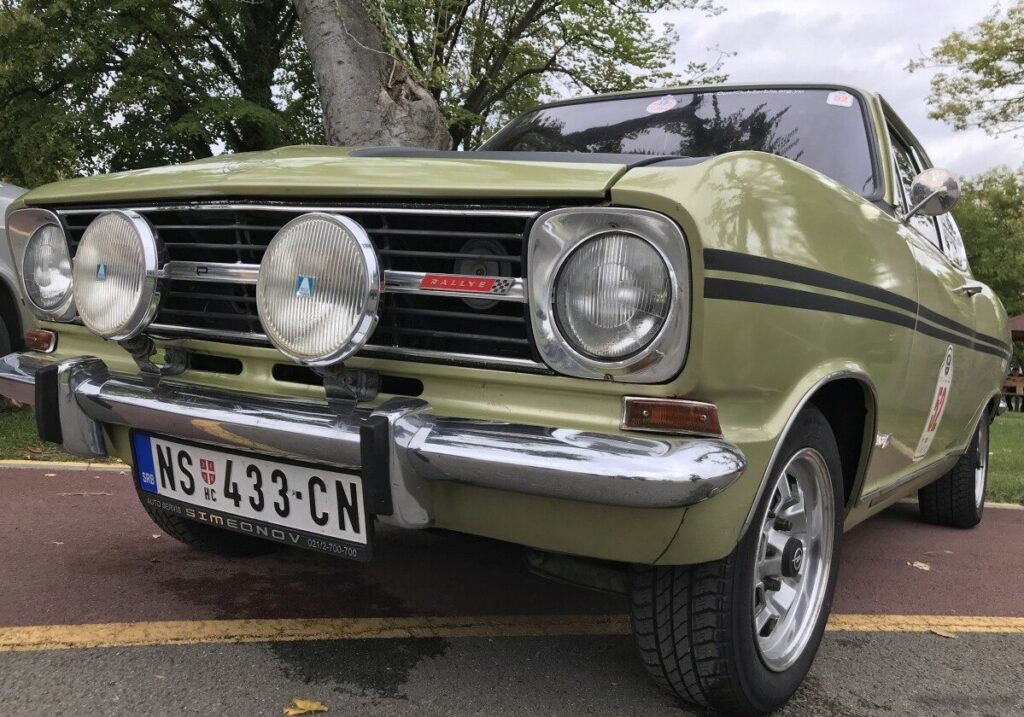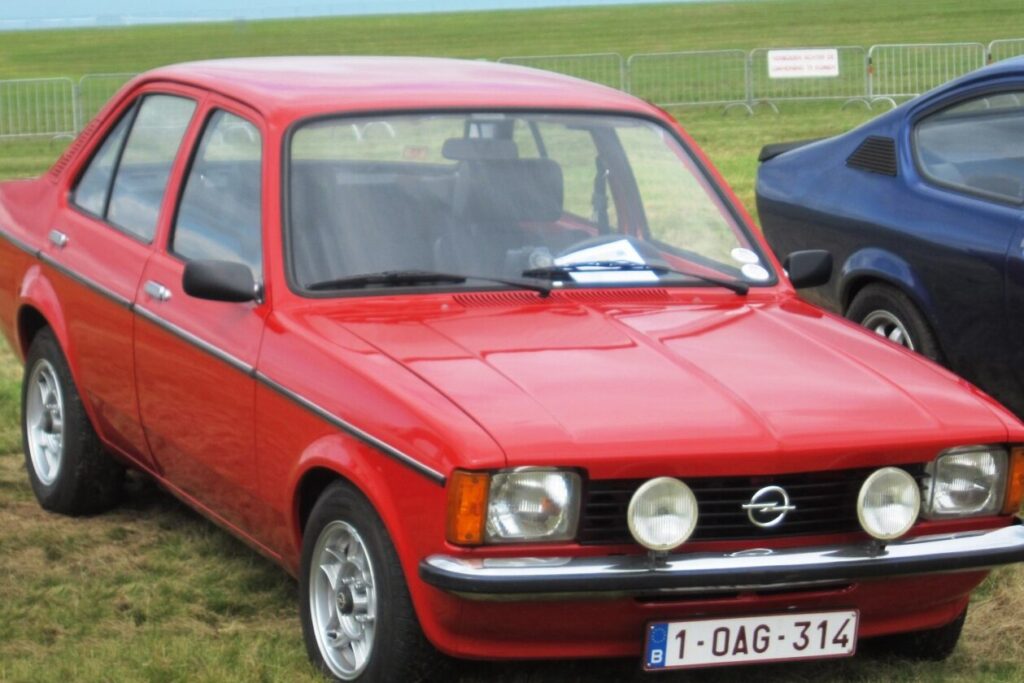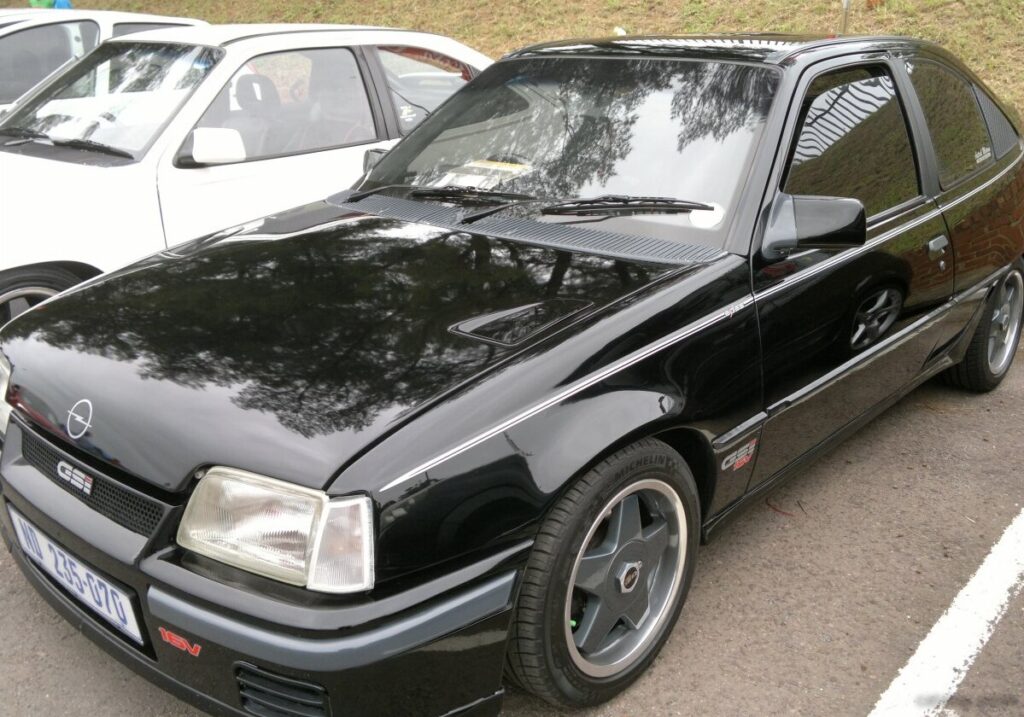
The Opel Kadett E CC 1.5 TD, produced between 1988 and 1991, represented a fuel-efficient and practical option within the broader Kadett E range. Positioned as an entry-level diesel variant, it catered to buyers prioritizing economy and durability over outright performance. The Kadett E, launched in 1986 as a replacement for the Kadett D, was a significant model for Opel (and later Vauxhall in the UK), embodying a shift towards more modern design and engineering. The “CC” designation signified the ‘Coupe’ or fastback body style, offering a more streamlined appearance than the traditional saloon. This particular 1.5 TD model found its primary market in Europe, where diesel engines were increasingly popular due to favorable taxation and fuel costs.
Technical Specifications
| Brand | Opel |
| Model | Kadett |
| Generation | Kadett E CC |
| Type (Engine) | 1.5 TD (72 Hp) |
| Start of production | 1988 |
| End of production | 1991 |
| Powertrain Architecture | Internal Combustion engine |
| Body type | Hatchback |
| Seats | 5 |
| Doors | 3-5 |
| Fuel Type | Diesel |
| Acceleration 0 – 100 km/h | 13.5 sec |
| Acceleration 0 – 62 mph | 13.5 sec |
| Acceleration 0 – 60 mph | 12.8 sec |
| Maximum speed | 170 km/h (105.63 mph) |
| Weight-to-power ratio | 13.7 kg/Hp |
| Weight-to-torque ratio | 18.6 kg/Nm |
| Power | 72 Hp @ 4600 rpm |
| Power per litre | 48.4 Hp/l |
| Torque | 53 Nm @ 4600 rpm (39.09 lb.-ft. @ 4600 rpm) |
| Engine layout | Front, Transverse |
| Engine Model/Code | 15DTR |
| Engine displacement | 1488 cm3 (90.8 cu. in.) |
| Number of cylinders | 4 |
| Engine configuration | Inline |
| Cylinder Bore | 76 mm (2.99 in.) |
| Piston Stroke | 82 mm (3.23 in.) |
| Compression ratio | 22:1 |
| Number of valves per cylinder | 2 |
| Engine aspiration | Turbocharger |
| Valvetrain | SOHC |
| Engine oil capacity | 4.5 l (4.76 US qt | 3.96 UK qt) |
| Coolant | 6.3 l (6.66 US qt | 5.54 UK qt) |
| Kerb Weight | 985 kg (2171.55 lbs.) |
| Max. weight | 1465 kg (3229.77 lbs.) |
| Max load | 480 kg (1058.22 lbs.) |
| Trunk (boot) space – minimum | 485 l (17.13 cu. ft.) |
| Trunk (boot) space – maximum | 1385 l (48.91 cu. ft.) |
| Fuel tank capacity | 52 l (13.74 US gal | 11.44 UK gal) |
| Length | 3998 mm (157.4 in.) |
| Width | 1663 mm (65.47 in.) |
| Height | 1400 mm (55.12 in.) |
| Wheelbase | 2520 mm (99.21 in.) |
| Front track | 1400 mm (55.12 in.) |
| Rear (Back) track | 1406 mm (55.35 in.) |
| Minimum turning circle | 10.5 m (34.45 ft.) |
| Drivetrain Architecture | The Internal combustion engine (ICE) drives the front wheels of the vehicle. |
| Drive wheel | Front wheel drive |
| Number of gears | 5 gears, manual transmission |
| Front brakes | Disc |
| Rear brakes | Drum |
Powertrain & Engine Architecture
The heart of the Kadett E CC 1.5 TD was the 15DTR engine, a 1.5-liter inline four-cylinder diesel. This engine featured a single overhead camshaft (SOHC) valvetrain and, crucially, a turbocharger with an intercooler. The turbocharger significantly boosted power output compared to naturally aspirated diesel versions, bringing it to 72 horsepower at 4600 rpm and 53 Nm (39.09 lb-ft) of torque at the same engine speed. The 22:1 compression ratio was typical for indirect injection diesel engines of the era. Fuel injection was mechanical, utilizing a Bosch rotary injection pump. This system, while robust, was less refined than later common-rail diesel technologies. The engine’s transverse mounting and front-wheel-drive configuration were standard for the Kadett E, contributing to its relatively compact footprint.
Driving Characteristics
The 1.5 TD automatic Kadett E offered a distinctly different driving experience compared to its more powerful gasoline-powered siblings or even the manual diesel versions. Acceleration was modest, taking around 13.5 seconds to reach 62 mph (100 km/h). The focus was on fuel efficiency and relaxed cruising. The automatic transmission, a three-speed unit, was geared for economy, resulting in a relatively slow response to throttle inputs. While the turbocharger provided a noticeable boost in power, it wasn’t enough to overcome the inherent limitations of the engine’s displacement and the transmission’s gearing. Compared to the 1.6-liter gasoline engines, the 1.5 TD lacked the responsiveness and overall performance, but it offered significantly better fuel economy.
Equipment & Trim Levels
The 1.5 TD Kadett E typically came with a fairly basic level of equipment. Standard features included cloth upholstery, a simple dashboard layout, and manual windows and door locks. Power steering was often an optional extra, as was air conditioning. The trim level generally fell into the base or mid-range category, depending on the specific market. Optional extras could include upgraded audio systems, alloy wheels, and a sunroof. Interior color schemes were typically conservative, with shades of grey and blue being common.
Chassis & Braking
The Kadett E CC utilized a MacPherson strut front suspension and a torsion beam rear suspension. This setup provided a reasonable balance between ride comfort and handling. The 1.5 TD models typically featured disc brakes on the front wheels and drum brakes on the rear. Stabilizer bars were often fitted to improve handling, but their thickness could vary depending on the specific trim level. The relatively light weight of the diesel engine contributed to a balanced chassis, although the rear drum brakes limited overall braking performance compared to models equipped with all-round discs.
Market Reception & Comparison
The Kadett E 1.5 TD was generally well-received as a practical and economical choice. Critics praised its fuel efficiency and durability, but noted its lack of performance. Compared to the more popular 1.6-liter gasoline versions, the 1.5 TD appealed to a different type of buyer – those prioritizing running costs over driving excitement. The manual transmission versions of the 1.5 TD offered slightly better performance and fuel economy, but the automatic provided greater convenience. Reliability was generally good, although the mechanical fuel injection system required periodic maintenance.
Legacy
The Opel Kadett E 1.5 TD, while not a performance icon, holds a respectable place in automotive history as a representative of the era’s focus on fuel efficiency and practicality. The 15DTR engine proved to be a durable and reliable unit, and many examples are still on the road today. In the used car market, these Kadetts are often sought after by enthusiasts looking for a classic European diesel with relatively simple mechanics. Parts availability can be a challenge, but the Kadett E enjoys a dedicated following, ensuring that spares and expertise remain accessible. The Kadett E, and this variant in particular, represents a significant step in Opel’s evolution, paving the way for future models that would continue to prioritize efficiency and affordability.