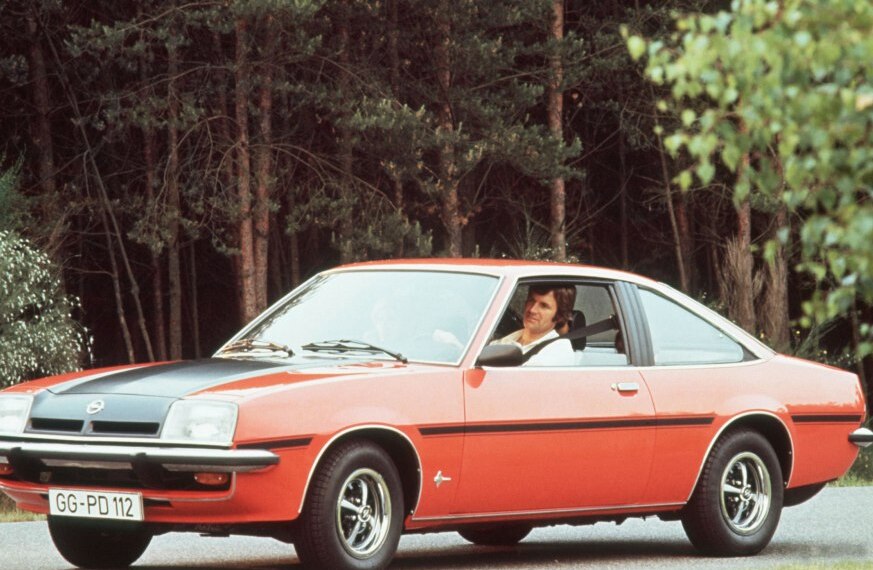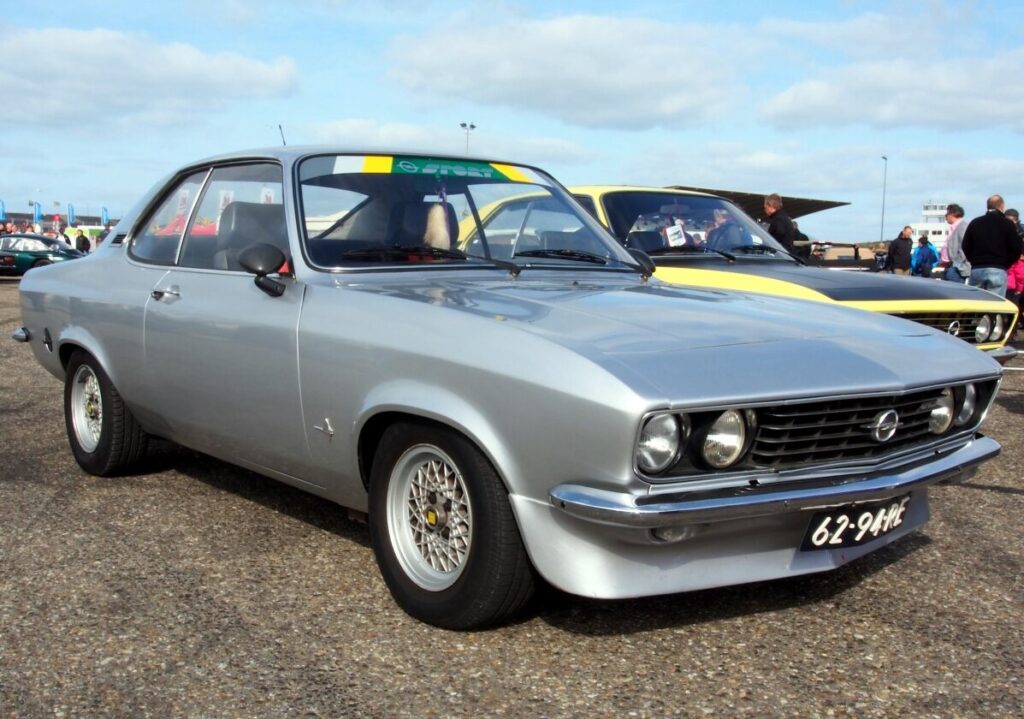
The Opel Manta A 1.2, produced between 1972 and 1975, represents the entry point into the iconic Manta A lineup. Positioned as the most affordable variant, it aimed to bring the sporty coupe styling of the Manta to a wider audience. This model was a key component of Opel’s strategy to offer a stylish and relatively accessible personal coupe in the European market, competing with vehicles like the Ford Capri. The 1.2-liter engine and four-speed manual transmission combination defined this trim level, prioritizing affordability and fuel economy over outright performance. It was built on the Opel Manta A platform, designated as the 1HX0.
Technical Specifications
| Brand | Opel |
| Model | Manta |
| Generation | Manta A |
| Type (Engine) | 1.2 (60 Hp) |
| Start of production | 1972 |
| End of production | 1975 |
| Powertrain Architecture | Internal Combustion engine |
| Body type | Coupe |
| Seats | 4 |
| Doors | 2 |
| Fuel Type | Petrol (Gasoline) |
| Acceleration 0 – 100 km/h | 18 sec |
| Acceleration 0 – 62 mph | 18 sec |
| Acceleration 0 – 60 mph | 17.1 sec |
| Maximum speed | 145 km/h (90.1 mph) |
| Weight-to-power ratio | 14.4 kg/Hp, 69.4 Hp/tonne |
| Weight-to-torque ratio | 9.8 kg/Nm, 101.7 Nm/tonne |
| Power | 60 Hp @ 5400 rpm |
| Power per litre | 50.2 Hp/l |
| Torque | 88 Nm @ 3000-3800 rpm (64.91 lb.-ft. @ 3000-3800 rpm) |
| Engine layout | Front, Longitudinal |
| Engine Model/Code | 12S |
| Engine displacement | 1196 cm3 (72.98 cu. in.) |
| Number of cylinders | 4 |
| Engine configuration | Inline |
| Cylinder Bore | 79 mm (3.11 in.) |
| Piston Stroke | 61 mm (2.4 in.) |
| Compression ratio | 9:1 |
| Number of valves per cylinder | 2 |
| Fuel injection system | Carburettor |
| Engine aspiration | Naturally aspirated engine |
| Valvetrain | OHV |
| Engine oil capacity | 2.75 l (2.91 US qt | 2.42 UK qt) |
| Coolant | 5.1 l (5.39 US qt | 4.49 UK qt) |
| Kerb Weight | 865 kg (1907 lbs.) |
| Max. weight | 1230 kg (2711.69 lbs.) |
| Max load | 365 kg (804.69 lbs.) |
| Trunk (boot) space – minimum | 326 l (11.51 cu. ft.) |
| Fuel tank capacity | 46 l (12.15 US gal | 10.12 UK gal) |
| Permitted trailer load with brakes (12%) | 700 kg (1543.24 lbs.) |
| Permitted trailer load without brakes | 415 kg (914.92 lbs.) |
| Length | 4292 mm (168.98 in.) |
| Width | 1626 mm (64.02 in.) |
| Height | 1360 mm (53.54 in.) |
| Wheelbase | 2430 mm (95.67 in.) |
| Front track | 1331 mm (52.4 in.) |
| Rear (Back) track | 1320 mm (51.97 in.) |
| Minimum turning circle | 10.5 m (34.45 ft.) |
| Drivetrain Architecture | Rear wheel drive |
| Number of gears and type of gearbox | 4 gears, manual transmission |
| Front brakes | Disc |
| Rear brakes | Drum |
Powertrain & Engine Architecture
The heart of the Manta A 1.2 was the 12S engine, a 1.2-liter (1196 cc) inline-four cylinder unit. This engine utilized a single overhead valve (OHV) valvetrain and a carburetor for fuel delivery. The 12S produced 60 horsepower at 5400 rpm and 88 Nm (64.91 lb-ft) of torque between 3000 and 3800 rpm. The engine was mounted longitudinally in the front of the vehicle, driving the rear wheels. The four-speed manual transmission was a standard unit for Opel at the time, offering a relatively simple and robust design. The engine’s design prioritized simplicity and durability over high performance, making it a reliable, if somewhat underpowered, unit.
Driving Characteristics
The 1.2-liter Manta A offered modest performance. Acceleration to 60 mph took around 17.1 seconds, and the top speed was approximately 90 mph. The four-speed manual transmission had relatively widely spaced gear ratios, requiring frequent shifting to keep the engine in its optimal power band. Compared to the more powerful Manta variants, such as those equipped with the 1.6-liter or 1.9-liter engines, the 1.2 felt noticeably slower, particularly when accelerating or climbing hills. However, the lighter weight of the 1.2-liter model did contribute to slightly better handling and fuel economy compared to its more powerful siblings. The rear-wheel-drive configuration provided a reasonably engaging driving experience, though it also demanded careful throttle control in slippery conditions.
Equipment & Trim Levels
The Manta A 1.2 was typically equipped with basic features, reflecting its position as the entry-level model. Standard equipment generally included cloth upholstery, basic instrumentation (speedometer, fuel gauge, temperature gauge), and manually operated windows and door locks. Optional extras included a vinyl roof, upgraded interior trim, and a basic radio. The interior design was functional and straightforward, prioritizing practicality over luxury. The dashboard layout was simple, with clearly labeled controls. The 1.2 often featured a black interior color scheme, though other colors were sometimes available.
Chassis & Braking
The Manta A featured a conventional chassis design with independent front suspension and a solid rear axle. The front suspension utilized coil springs and wishbones, while the rear suspension employed leaf springs. The 1.2-liter model typically had disc brakes on the front wheels and drum brakes on the rear. The braking system was adequate for the car’s performance, but it lacked the stopping power of the larger-braked, higher-performance Manta variants. The suspension setup provided a comfortable ride, but it was not particularly sporty. A stabilizer bar was often omitted on the base 1.2 model to further reduce cost.
Market Reception & Comparison
The Manta A 1.2 was generally well-received as an affordable and stylish coupe. Critics acknowledged its attractive design and relatively low price point. However, the engine’s lack of power was a common criticism. Compared to the 1.6-liter and 1.9-liter Manta models, the 1.2 offered significantly less performance. The 1.6-liter provided a noticeable improvement in acceleration and overall drivability, while the 1.9-liter offered even more power and a more refined driving experience. Fuel economy was a strong point for the 1.2, making it an attractive option for budget-conscious buyers. Reliability was generally good, though the carburetor required periodic maintenance.
Legacy
The Opel Manta A 1.2, while not the most powerful or desirable variant, played an important role in establishing the Manta as a popular and iconic coupe. The 12S engine proved to be a durable and reliable unit, and many examples are still on the road today. In the used car market, the 1.2-liter Manta A is often the most affordable option, making it an attractive entry point for classic car enthusiasts. While it may not offer the same performance as its more powerful siblings, the 1.2 retains the Manta’s distinctive styling and offers a unique driving experience. Its simplicity and relative ease of maintenance contribute to its continued appeal among those seeking a classic coupe that is both affordable and enjoyable to drive.