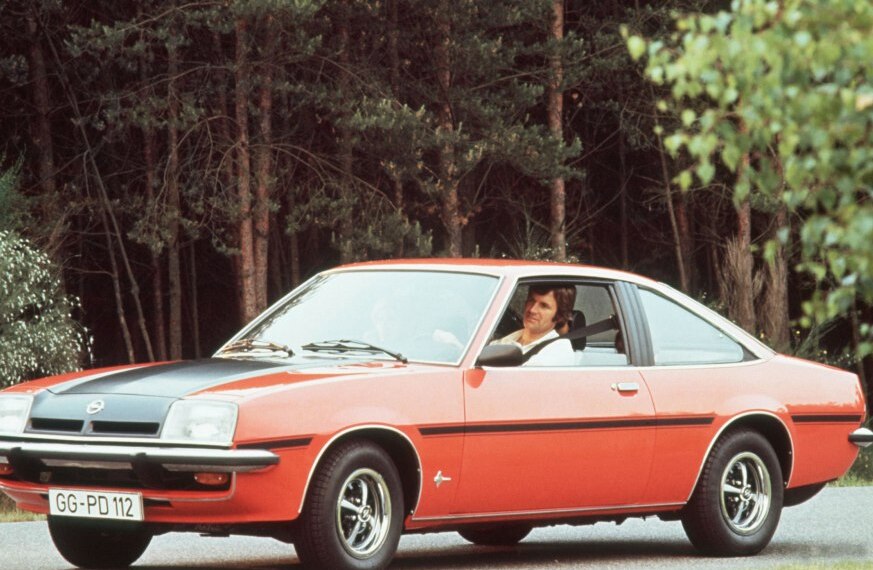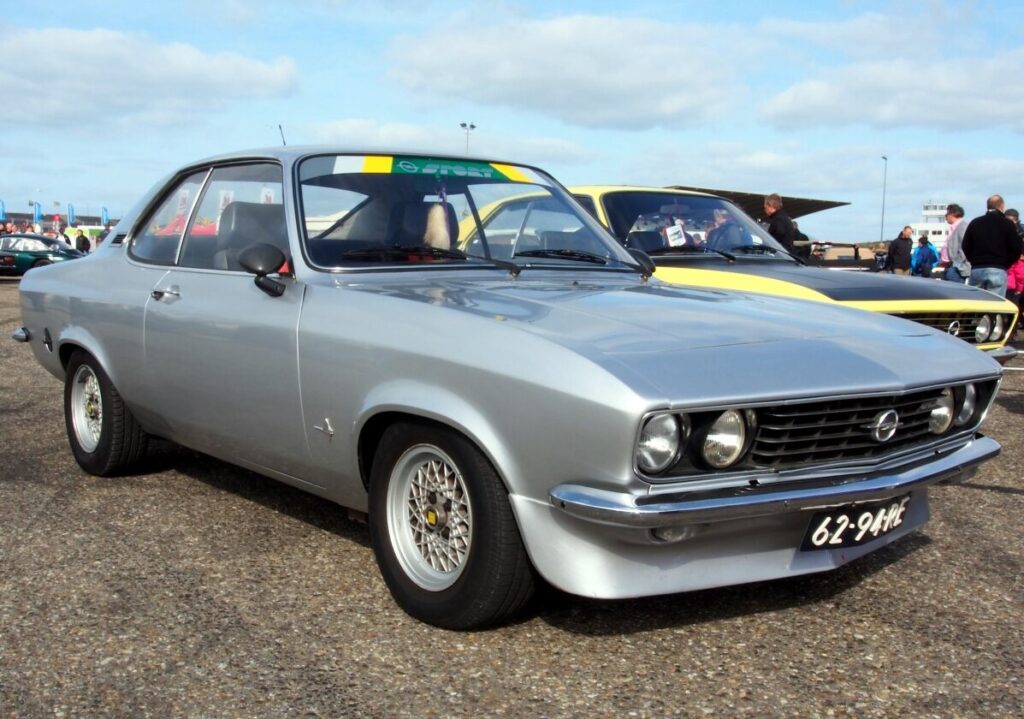
The Opel Manta A 1.9 GT/E, produced between 1974 and 1975, represented a performance-oriented variant within the broader Manta A lineup. Positioned as a step up from the standard models, the GT/E aimed to deliver a more engaging driving experience through a larger displacement engine and enhanced styling. It was a key part of Opel’s effort to appeal to a younger, more enthusiastic driver in Europe, offering a blend of affordability and sporty character. The Manta A, launched in 1970, was Opel’s answer to the Ford Capri, and the GT/E was intended to directly compete with the Capri’s higher-performance trims.
Technical Specifications
| Brand | Opel |
| Model | Manta |
| Generation | Manta A |
| Type (Engine) | 1.9 GT/E (105 Hp) |
| Start of production | 1974 |
| End of production | 1975 |
| Powertrain Architecture | Internal Combustion engine |
| Body type | Coupe |
| Seats | 4 |
| Doors | 2 |
| Fuel Type | Petrol (Gasoline) |
| Acceleration 0 – 100 km/h | 11.5 sec |
| Acceleration 0 – 62 mph | 11.5 sec |
| Acceleration 0 – 60 mph | 10.9 sec |
| Maximum speed | 188 km/h (116.82 mph) |
| Weight-to-power ratio | 9.3 kg/Hp, 107.1 Hp/tonne |
| Weight-to-torque ratio | 6.4 kg/Nm, 155.1 Nm/tonne |
| Power | 105 Hp @ 5400 rpm |
| Power per litre | 55.4 Hp/l |
| Torque | 152 Nm @ 4200 rpm (112.11 lb.-ft. @ 4200 rpm) |
| Maximum engine speed | 6150 rpm |
| Engine layout | Front, Longitudinal |
| Engine Model/Code | 19E |
| Engine displacement | 1897 cm3 (115.76 cu. in.) |
| Number of cylinders | 4 |
| Engine configuration | Inline |
| Cylinder Bore | 93 mm (3.66 in.) |
| Piston Stroke | 69.8 mm (2.75 in.) |
| Compression ratio | 9.2:1 |
| Number of valves per cylinder | 2 |
| Fuel injection system | Multi-port manifold injection |
| Engine aspiration | Naturally aspirated engine |
| Valvetrain | SOHC |
| Engine oil capacity | 3.8 l (4.02 US qt | 3.34 UK qt) |
| Coolant | 6.8 l (7.19 US qt | 5.98 UK qt) |
| Kerb Weight | 980 kg (2160.53 lbs.) |
| Max. weight | 1300 kg (2866.01 lbs.) |
| Max load | 320 kg (705.48 lbs.) |
| Trunk (boot) space – minimum | 326 l (11.51 cu. ft.) |
| Fuel tank capacity | 46 l (12.15 US gal | 10.12 UK gal) |
| Length | 4343 mm (170.98 in.) |
| Width | 1632 mm (64.25 in.) |
| Height | 1360 mm (53.54 in.) |
| Wheelbase | 2430 mm (95.67 in.) |
| Front track | 1329 mm (52.32 in.) |
| Rear (Back) track | 1320 mm (51.97 in.) |
| Minimum turning circle | 10.5 m (34.45 ft.) |
| Drivetrain Architecture | Rear wheel drive |
| Number of gears | 4 gears, manual transmission |
| Front brakes | Disc |
| Rear brakes | Drum |
Powertrain & Engine Architecture
The heart of the Manta A 1.9 GT/E was the 19E engine, a 1.9-liter inline-four cylinder unit. This engine featured a single overhead camshaft (SOHC) valvetrain operating two valves per cylinder. A key upgrade over the standard Manta engines was the adoption of Bosch multi-port fuel injection, replacing the carburetor found in lower trims. This system significantly improved throttle response and overall engine efficiency. The 19E engine produced 105 horsepower at 5400 rpm and 152 Nm (112 lb-ft) of torque at 4200 rpm. The engine was mounted longitudinally in the front of the vehicle, driving the rear wheels. The four-speed manual transmission was the standard offering, providing a direct connection between the engine and the drivetrain.
Driving Characteristics
The 1.9 GT/E offered a noticeable improvement in performance compared to the base Manta models. While not a sports car in the modern sense, the GT/E provided brisk acceleration, achieving 0-60 mph in around 10.9 seconds and a top speed of 116.82 mph. The four-speed manual transmission was well-matched to the engine’s powerband, allowing for spirited driving. The rear-wheel-drive layout contributed to a balanced feel, although understeer could become apparent when pushed hard. Compared to the later 1.9-liter engines with catalytic converters, the 19E offered slightly more power but at the cost of increased emissions. The GT/E’s driving experience was more engaging than the automatic transmission equipped models, which sacrificed some responsiveness for convenience.
Equipment & Trim Levels
The GT/E trim level included several features designed to enhance both the aesthetic and driving experience. Standard equipment included a sporty three-spoke steering wheel, upgraded instrumentation, and distinctive exterior trim, including a black grille and chrome accents. Interior upholstery typically consisted of cloth seats with a patterned design. Optional extras included a sunroof, upgraded sound system, and alloy wheels. The GT/E was positioned as the premium trim level within the Manta A range, offering a more refined and well-equipped package than the base models.
Chassis & Braking
The Manta A utilized a relatively simple chassis design. It featured independent front suspension with MacPherson struts and a solid rear axle with leaf springs. The GT/E benefited from a slightly stiffer suspension setup compared to the standard models, improving handling and reducing body roll. Braking duties were handled by disc brakes at the front and drum brakes at the rear. While adequate for everyday driving, the braking system lacked the stopping power of more modern vehicles. The GT/E’s curb weight of 980 kg (2160 lbs) contributed to its relatively nimble handling characteristics.
Market Reception & Comparison
The Opel Manta A 1.9 GT/E was generally well-received by automotive critics. It was praised for its sporty styling, engaging driving experience, and relatively affordable price. However, some critics noted the car’s somewhat basic interior and the limitations of its braking system. Compared to the standard Manta models, the GT/E offered a significant performance upgrade and a more refined driving experience. It competed directly with the Ford Capri, offering a similar blend of style and performance. The GT/E’s fuel economy was reasonable for the time, but it was not as fuel-efficient as the diesel-powered Manta models.
Legacy
The Opel Manta A 1.9 GT/E remains a popular classic car among enthusiasts. The 19E engine is known for its reliability and relatively simple maintenance requirements. However, finding parts can be challenging, and rust can be a significant issue with older examples. Today, the Manta A 1.9 GT/E is valued for its retro styling and its representation of a bygone era of affordable, sporty coupes. It continues to be a sought-after vehicle in the classic car market, particularly among those who appreciate its unique character and driving experience. The engine, while not exceptionally powerful by modern standards, is considered robust and capable of providing years of reliable service with proper maintenance.