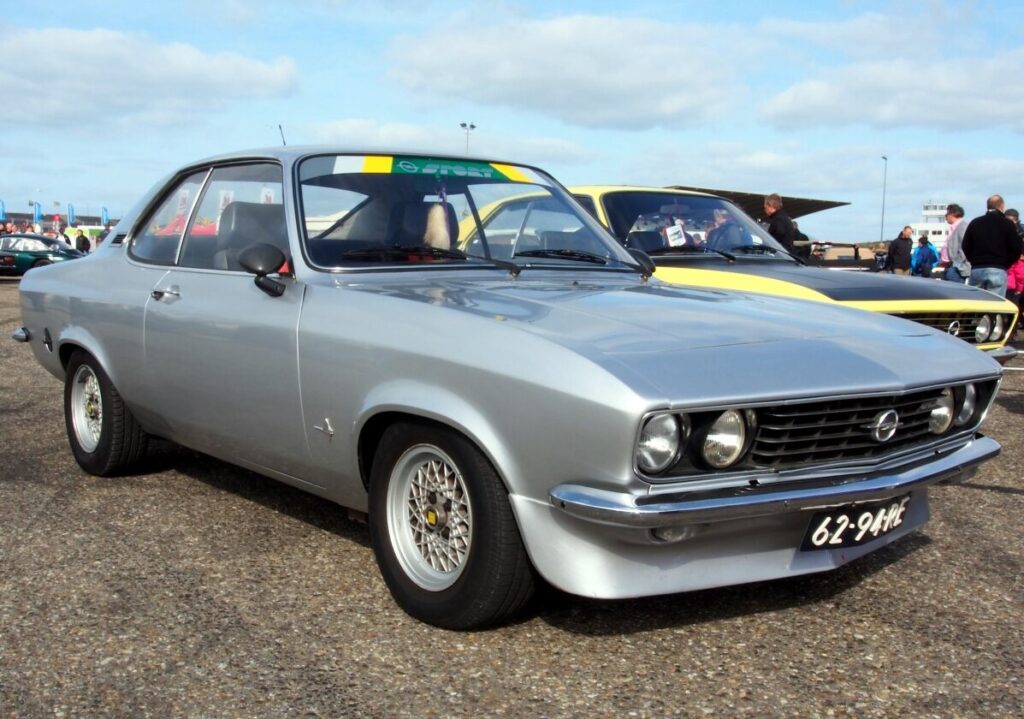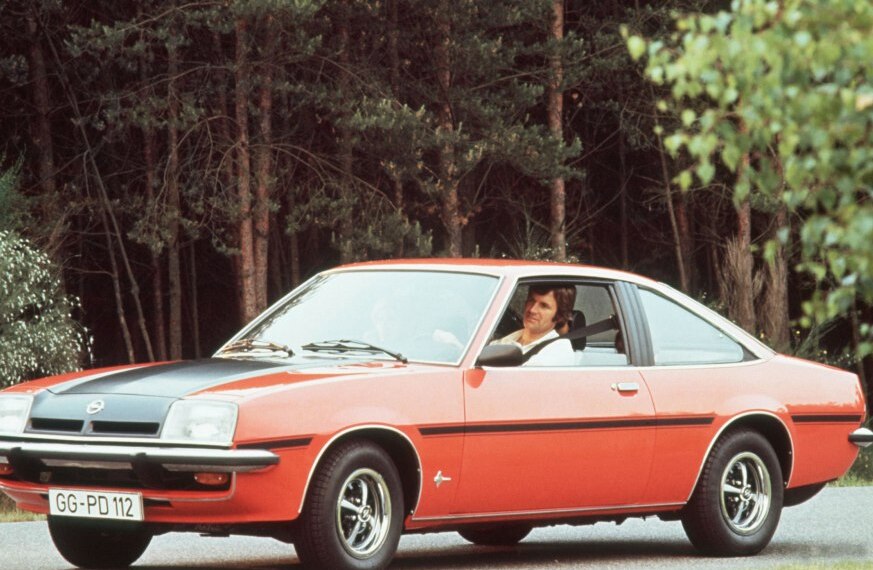
The Opel Manta B 1.2 S, produced between 1975 and 1979, represented the entry point into the second generation of Opel’s iconic Manta coupe. Positioned as an affordable and stylish option, the 1.2 S offered a blend of practicality and sporty aesthetics, appealing to a broad customer base in Europe. It was built on the Manta B platform (1HX0), sharing its basic structure with other GM variants of the era. This variant was particularly significant as it provided a more economical alternative to the higher-performance models like the 1.9E and the later GTX, making the Manta accessible to a wider range of buyers.
Technical Specifications
| Brand | Opel |
| Model | Manta |
| Generation | Manta B |
| Type (Engine) | 1.2 S (60 Hp) |
| Start of production | 1975 |
| End of production | 1979 |
| Powertrain Architecture | Internal Combustion engine |
| Body type | Coupe |
| Seats | 4 |
| Doors | 2 |
| Fuel Type | Petrol (Gasoline) |
| Acceleration 0 – 100 km/h | 19 sec |
| Acceleration 0 – 62 mph | 19 sec |
| Acceleration 0 – 60 mph | 18.1 sec |
| Maximum speed | 147 km/h (91.34 mph) |
| Weight-to-power ratio | 15.4 kg/Hp, 64.9 Hp/tonne |
| Weight-to-torque ratio | 10.5 kg/Nm, 95.1 Nm/tonne |
| Power | 60 Hp @ 5400 rpm |
| Power per litre | 50.2 Hp/l |
| Torque | 88 Nm @ 2600-3400 rpm (64.91 lb.-ft. @ 2600-3400 rpm) |
| Engine layout | Front, Longitudinal |
| Engine Model/Code | 12S |
| Engine displacement | 1196 cm3 (72.98 cu. in.) |
| Number of cylinders | 4 |
| Engine configuration | Inline |
| Cylinder Bore | 79 mm (3.11 in.) |
| Piston Stroke | 61 mm (2.4 in.) |
| Compression ratio | 9:1 |
| Number of valves per cylinder | 2 |
| Fuel injection system | Carburettor |
| Engine aspiration | Naturally aspirated engine |
| Valvetrain | OHV |
| Engine oil capacity | 2.75 l (2.91 US qt | 2.42 UK qt) |
| Coolant | 5.1 l (5.39 US qt | 4.49 UK qt) |
| Kerb Weight | 925 kg (2039.28 lbs.) |
| Max. weight | 1295 kg (2854.99 lbs.) |
| Max load | 370 kg (815.71 lbs.) |
| Trunk (boot) space – maximum | 490 l (17.3 cu. ft.) |
| Fuel tank capacity | 50 l (13.21 US gal | 11 UK gal) |
| Permitted trailer load with brakes (12%) | 1000 kg (2204.62 lbs.) |
| Permitted trailer load without brakes | 485 kg (1069.24 lbs.) |
| Length | 4445 mm (175 in.) |
| Width | 1670 mm (65.75 in.) |
| Height | 1330 mm (52.36 in.) |
| Wheelbase | 2518 mm (99.13 in.) |
| Front track | 1375 mm (54.13 in.) |
| Rear (Back) track | 1375 mm (54.13 in.) |
| Minimum turning circle | 10.5 m (34.45 ft.) |
| Drivetrain Architecture | Rear wheel drive |
| Number of gears and type of gearbox | 4 gears, manual transmission |
| Front brakes | Disc |
| Rear brakes | Drum |
Powertrain & Engine Architecture
The heart of the Manta B 1.2 S was the 1196cc inline-four cylinder engine, designated the 12S. This engine featured a relatively simple overhead valve (OHV) valvetrain and was fed by a single carburetor. The 12S engine was a cost-effective unit, designed for fuel efficiency rather than outright performance. Its 9:1 compression ratio was typical for the era, and the engine produced 60 horsepower at 5400 rpm and 88 Nm (65 lb-ft) of torque between 2600 and 3400 rpm. The engine was mounted longitudinally in the front of the vehicle, driving the rear wheels. The four-speed manual transmission was the standard offering, providing a straightforward driving experience. The engine’s design was a direct descendant of earlier Opel OHV engines, known for their robustness but limited power potential.
Driving Characteristics
The 1.2 S offered a decidedly unhurried driving experience. Acceleration from 0 to 60 mph took around 18.1 seconds, and top speed was limited to approximately 91 mph. Compared to the more powerful 1.9-liter versions of the Manta B, the 1.2 S felt significantly slower, particularly when attempting to overtake or climb hills. The four-speed manual transmission was well-matched to the engine’s characteristics, with relatively short gear ratios designed to keep the engine in its power band. However, the lack of overall power meant frequent gear changes were necessary. The rear-wheel-drive layout provided a degree of handling balance, but the relatively soft suspension and narrow tires limited cornering grip.
Equipment & Trim Levels
The 1.2 S was typically equipped with basic but functional features. Standard equipment included cloth upholstery, vinyl floor covering, and a basic instrument cluster. Exterior features included chrome bumpers, steel wheels with hubcaps, and relatively simple trim. Optional extras included a sunroof, upgraded upholstery, and a more comprehensive instrument panel. The interior was functional and durable, reflecting the car’s affordable positioning. The 1.2 S was often seen as a “base” model, with buyers opting for the higher-spec versions if they desired more comfort or features.
Chassis & Braking
The Manta B 1.2 S utilized a relatively simple chassis design. The front suspension consisted of independent coil springs and wishbones, while the rear suspension employed a live axle with leaf springs. Braking was provided by disc brakes at the front and drum brakes at the rear. The braking system was adequate for the car’s performance, but lacked the stopping power of the larger-braked, higher-performance models. The suspension setup prioritized ride comfort over handling precision, resulting in a somewhat soft and floaty ride quality. Stabilizer bars were typically absent on the base 1.2 S model, further contributing to the car’s tendency to roll in corners.
Market Reception & Comparison
The Manta B 1.2 S was generally well-received as an affordable and stylish coupe. Critics acknowledged its limitations in terms of performance, but praised its fuel efficiency and practicality. Compared to the 1.9-liter versions, the 1.2 S offered significantly better fuel economy, making it an attractive option for budget-conscious buyers. However, the 1.9-liter models provided a much more engaging driving experience and were better suited for long-distance journeys. The 1.2 S also faced competition from other affordable coupes of the era, such as the Ford Taunus and the Volkswagen Passat.
Legacy
The Opel Manta B 1.2 S, while not the most powerful or desirable version of the Manta B, holds a significant place in automotive history. It represents a period of accessible and stylish motoring, offering a taste of coupe ownership to a wider audience. The 12S engine proved to be relatively reliable, and many examples are still on the road today. In the used car market, the 1.2 S is often the most affordable Manta B variant, making it a popular choice for enthusiasts looking for a classic coupe project. Its simplicity and robust construction contribute to its enduring appeal, and it remains a recognizable and fondly remembered vehicle from the 1970s.