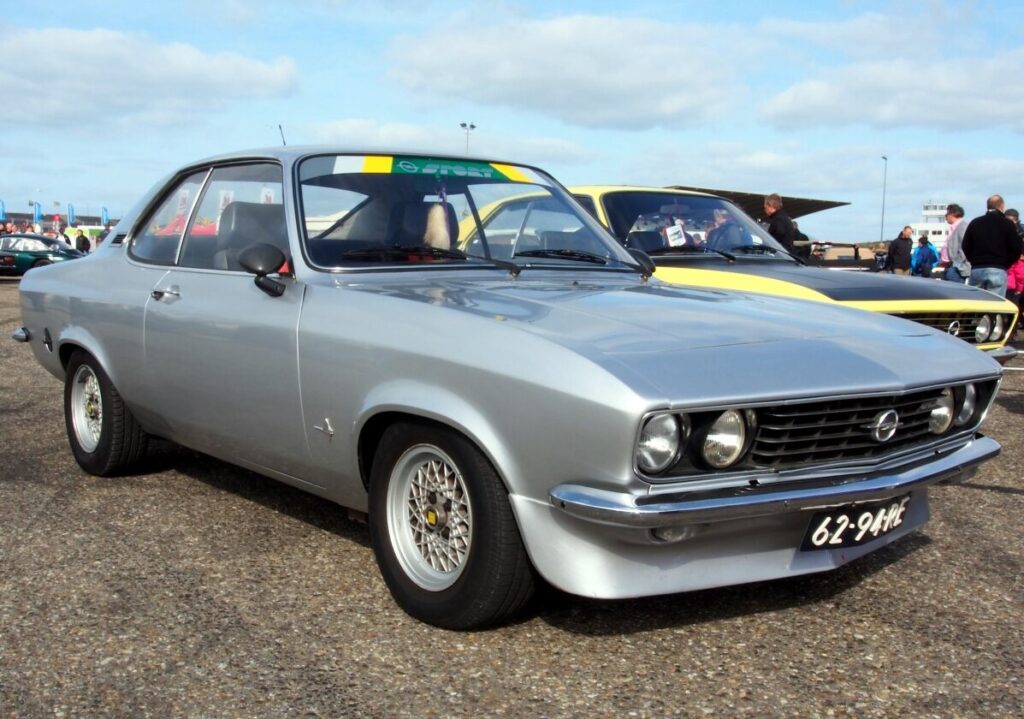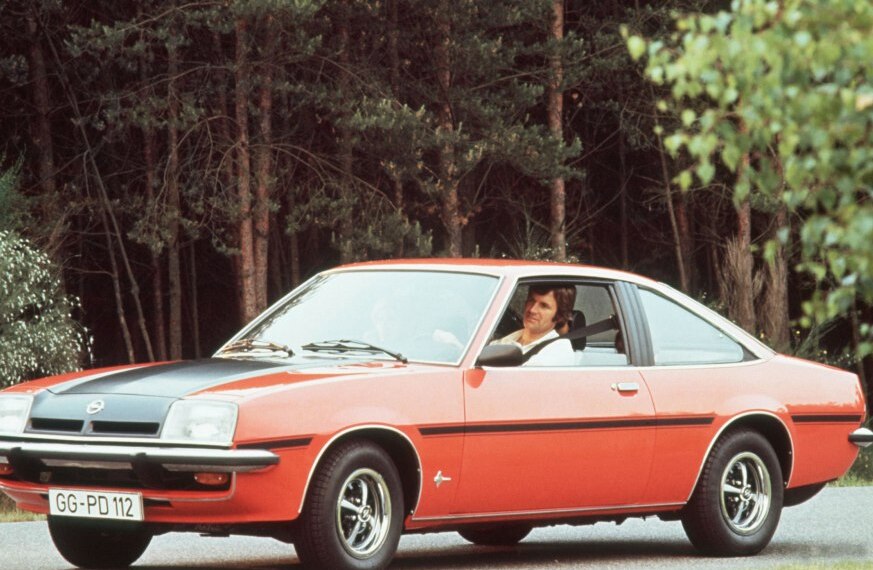
The Opel Manta B 1.6 N, produced between 1975 and 1980, represented the entry point into the second generation of Opel’s iconic Manta coupe. Positioned as the most affordable variant within the B-series lineup, it aimed to provide accessible sporty styling and rear-wheel drive dynamics to a broader customer base. This model played a significant role in establishing the Manta B as a popular choice in the European market, particularly among those seeking a stylish and relatively economical personal vehicle. While often overshadowed by its more powerful siblings, the 1.6 N offered a unique driving experience and served as a gateway to the Manta’s enthusiast community.
Technical Specifications
| Brand | Opel |
| Model | Manta |
| Generation | Manta B |
| Type (Engine) | 1.6 N (60 Hp) |
| Start of production | 1975 |
| End of production | 1980 |
| Powertrain Architecture | Internal Combustion engine |
| Body type | Coupe |
| Seats | 4 |
| Doors | 2 |
| Fuel Type | Petrol (Gasoline) |
| Acceleration 0 – 100 km/h | 17.5 sec |
| Acceleration 0 – 62 mph | 17.5 sec |
| Acceleration 0 – 60 mph | 16.6 sec |
| Maximum speed | 150 km/h (93.21 mph) |
| Weight-to-power ratio | 16.3 kg/Hp, 61.2 Hp/tonne |
| Weight-to-torque ratio | 9.5 kg/Nm, 105.1 Nm/tonne |
| Power | 60 Hp @ 5000 rpm |
| Power per litre | 37.9 Hp/l |
| Torque | 103 Nm @ 3000-3400 rpm (75.97 lb.-ft. @ 3000-3400 rpm) |
| Engine layout | Front, Longitudinal |
| Engine Model/Code | 16N |
| Engine displacement | 1584 cm3 (96.66 cu. in.) |
| Number of cylinders | 4 |
| Engine configuration | Inline |
| Cylinder Bore | 85 mm (3.35 in.) |
| Piston Stroke | 69.8 mm (2.75 in.) |
| Compression ratio | 8:1 |
| Number of valves per cylinder | 2 |
| Fuel injection system | Carburettor |
| Engine aspiration | Naturally aspirated engine |
| Valvetrain | SOHC |
| Engine oil capacity | 3.8 l (4.02 US qt | 3.34 UK qt) |
| Coolant | 6.5 l (6.87 US qt | 5.72 UK qt) |
| Kerb Weight | 980 kg (2160.53 lbs.) |
| Max. weight | 1350 kg (2976.24 lbs.) |
| Max load | 370 kg (815.71 lbs.) |
| Trunk (boot) space – maximum | 490 l (17.3 cu. ft.) |
| Fuel tank capacity | 50 l (13.21 US gal | 11 UK gal) |
| Permitted trailer load with brakes (12%) | 1150 kg (2535.32 lbs.) |
| Permitted trailer load without brakes | 500 kg (1102.31 lbs.) |
| Length | 4445 mm (175 in.) |
| Width | 1670 mm (65.75 in.) |
| Height | 1330 mm (52.36 in.) |
| Wheelbase | 2518 mm (99.13 in.) |
| Front track | 1375 mm (54.13 in.) |
| Rear (Back) track | 1375 mm (54.13 in.) |
| Minimum turning circle | 10.5 m (34.45 ft.) |
| Drivetrain Architecture | Rear wheel drive |
| Number of gears and type of gearbox | 4 gears, manual transmission |
| Front brakes | Disc |
| Rear brakes | Drum |
Introduction
The Manta B, launched in 1970, represented a significant evolution of the original Manta. The 1.6 N variant, introduced in 1975, was designed to offer a more economical and accessible entry point into the Manta B range. It was built on the GM’s H-body platform, shared with other Opel and Vauxhall models of the era. The 1.6 N was intended to appeal to buyers who prioritized style and practicality over outright performance, making it a popular choice for everyday transportation.
Powertrain & Engine Architecture
The heart of the Manta B 1.6 N was the 16N engine, a 1.6-liter inline-four cylinder unit. This engine featured a single overhead camshaft (SOHC) valvetrain with two valves per cylinder. Fuel delivery was managed by a single carburetor, a common setup for the time, prioritizing simplicity and cost-effectiveness. The engine produced 60 horsepower at 5000 rpm and 103 Nm (76 lb-ft) of torque at 3000-3400 rpm. The engine was mounted longitudinally in the front of the vehicle, driving the rear wheels. The 1.6 N was exclusively offered with a four-speed manual transmission, contributing to its lower price point and focus on fuel efficiency. The engine code ’16N’ is crucial for identifying parts and specifications related to this specific powertrain.
Driving Characteristics
The Manta B 1.6 N’s driving experience was characterized by its relaxed nature. With only 60 horsepower on tap, acceleration was modest, taking approximately 17.5 seconds to reach 62 mph (100 km/h). However, the rear-wheel drive layout provided a degree of handling balance that was engaging for drivers. The four-speed manual transmission offered a reasonable spread of gears, but required frequent shifting to maintain momentum, especially when overtaking. Compared to the more powerful Manta B variants, such as the 1.9E or the GT/E, the 1.6 N felt noticeably slower. However, its lighter weight and simpler mechanicals contributed to a more nimble feel in everyday driving situations. The gear ratios were optimized for fuel economy rather than outright performance.
Equipment & Trim Levels
The 1.6 N typically came with a fairly basic level of equipment. Standard features included cloth upholstery, vinyl floor covering, and basic instrumentation. The dashboard layout was functional and straightforward, with a focus on providing essential information. Optional extras included a radio, upgraded upholstery, and a sunroof. The exterior trim was relatively understated, with minimal chrome accents. The 1.6 N was often seen as a blank canvas for customization, with many owners adding aftermarket accessories to personalize their vehicles. It was positioned as the base model, lacking the luxury features found in higher trim levels.
Chassis & Braking
The Manta B 1.6 N utilized a relatively simple chassis design. It featured a MacPherson strut front suspension and a rigid axle rear suspension. The rear brakes were drum brakes, while the front brakes were discs. This configuration was typical for vehicles in this price range during the 1970s. The suspension setup provided a comfortable ride, but wasn’t particularly sporty. The 1.6 N’s relatively light weight helped to compensate for the basic braking system. Stabilizer bars were not standard equipment on the 1.6 N, further emphasizing its focus on affordability.
Market Reception & Comparison
The Manta B 1.6 N was generally well-received by critics as an affordable and stylish coupe. It was praised for its attractive design and rear-wheel drive dynamics. However, its modest performance was often criticized. Compared to the other Manta B variants, the 1.6 N offered the best fuel economy, making it a practical choice for daily commuting. The 1.9E and GT/E models offered significantly more power, but at a higher price point. The 1.6 N’s simplicity also translated to lower maintenance costs, making it an attractive option for budget-conscious buyers. It competed with other coupes in the European market, such as the Ford Capri and the Volkswagen Scirocco.
Legacy
The Opel Manta B 1.6 N has become a popular classic car among enthusiasts. Its simple mechanicals and readily available parts make it relatively easy to maintain. While not the most powerful Manta B variant, it offers a unique driving experience and a connection to a bygone era of automotive design. Today, well-maintained examples of the 1.6 N are sought after by collectors and enthusiasts who appreciate its classic styling and affordability. The 16N engine, while not known for its high performance, is generally considered to be a reliable unit when properly maintained. Its status in the used car market remains strong, with prices varying depending on condition and originality.