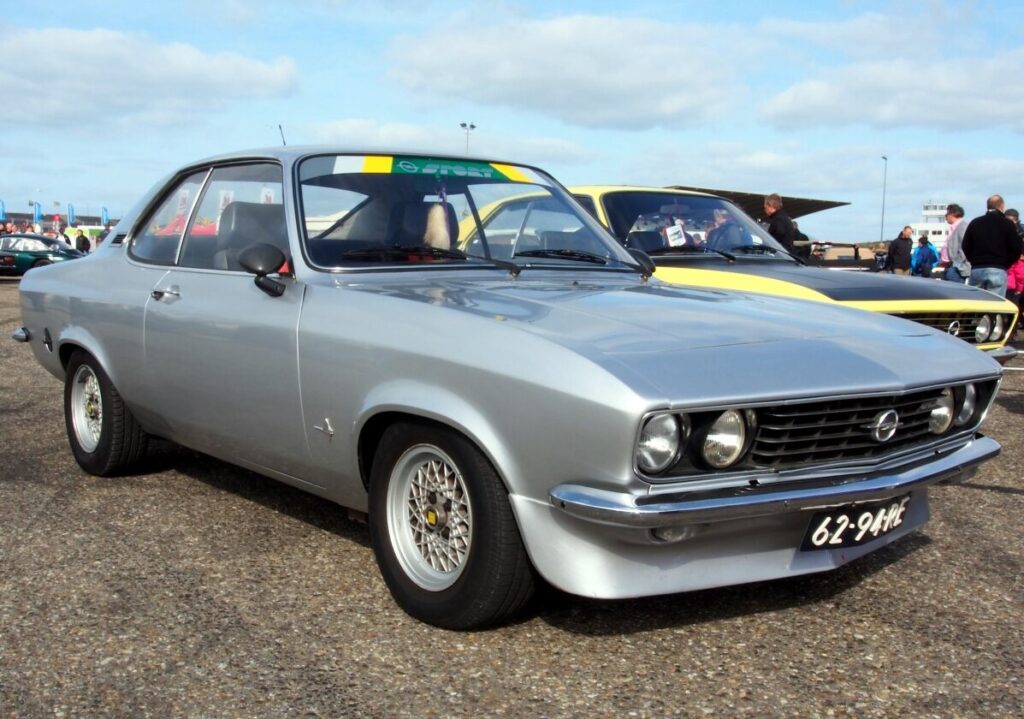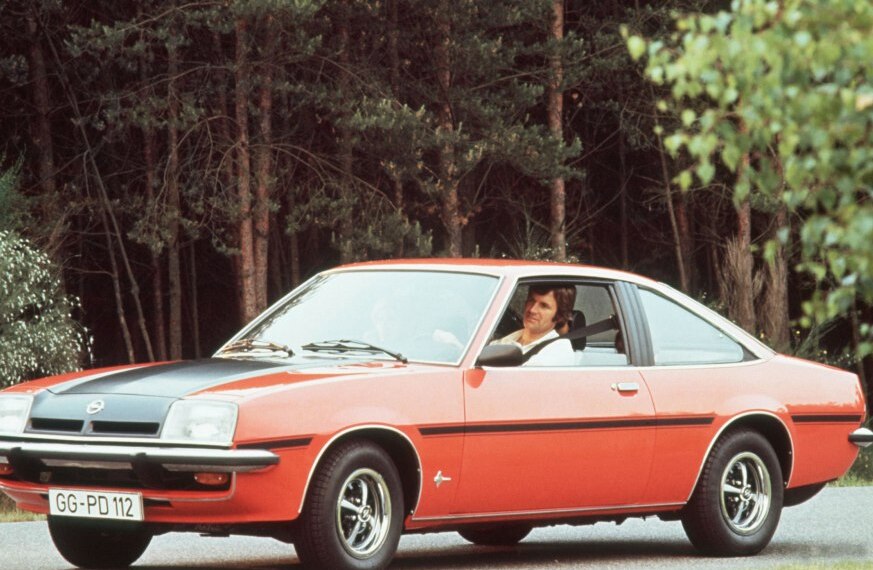
The Opel Manta B 1.6 S, produced between 1975 and 1981, represented a key variant within the second generation (Manta B) of Opel’s iconic coupe. Positioned as an entry-level performance model, the 1.6 S offered a balance between affordability and sporty driving characteristics. It played a significant role in the European market, particularly in Germany, where the Manta enjoyed considerable popularity as a stylish and accessible personal vehicle. While not the most powerful Manta B available, the 1.6 S provided a compelling option for buyers seeking a rear-wheel-drive coupe with a degree of sporting flair.
Technical Specifications
| Brand | Opel |
| Model | Manta |
| Generation | Manta B |
| Type (Engine) | 1.6 S (75 Hp) |
| Start of production | 1975 |
| End of production | 1981 |
| Powertrain Architecture | Internal Combustion engine |
| Body type | Coupe |
| Seats | 4 |
| Doors | 2 |
| Fuel Type | Petrol (Gasoline) |
| Acceleration 0 – 100 km/h | 14 sec |
| Acceleration 0 – 62 mph | 14 sec |
| Acceleration 0 – 60 mph | 13.3 sec |
| Maximum speed | 163 km/h (101.28 mph) |
| Weight-to-power ratio | 13.5 kg/Hp, 74.3 Hp/tonne |
| Weight-to-torque ratio | 8.8 kg/Nm, 113.9 Nm/tonne |
| Power | 75 Hp @ 5000 rpm |
| Power per litre | 47.3 Hp/l |
| Torque | 115 Nm @ 3800 rpm (84.82 lb.-ft. @ 3800 rpm) |
| Engine layout | Front, Longitudinal |
| Engine Model/Code | 16S |
| Engine displacement | 1584 cm3 (96.66 cu. in.) |
| Number of cylinders | 4 |
| Engine configuration | Inline |
| Cylinder Bore | 85 mm (3.35 in.) |
| Piston Stroke | 69.8 mm (2.75 in.) |
| Compression ratio | 8.8:1 |
| Number of valves per cylinder | 2 |
| Fuel injection system | Carburettor |
| Engine aspiration | Naturally aspirated engine |
| Valvetrain | SOHC |
| Engine oil capacity | 3.8 l (4.02 US qt | 3.34 UK qt) |
| Coolant | 6.5 l (6.87 US qt | 5.72 UK qt) |
| Kerb Weight | 1010 kg (2226.67 lbs.) |
| Max. weight | 1380 kg (3042.38 lbs.) |
| Max load | 370 kg (815.71 lbs.) |
| Trunk (boot) space – maximum | 490 l (17.3 cu. ft.) |
| Fuel tank capacity | 50 l (13.21 US gal | 11 UK gal) |
| Length | 4445 mm (175 in.) |
| Width | 1670 mm (65.75 in.) |
| Height | 1330 mm (52.36 in.) |
| Wheelbase | 2518 mm (99.13 in.) |
| Front track | 1380 mm (54.33 in.) |
| Rear (Back) track | 1375 mm (54.13 in.) |
| Minimum turning circle | 10.5 m (34.45 ft.) |
| Drivetrain Architecture | Rear wheel drive |
| Number of gears | 4 gears, manual transmission |
| Front brakes | Disc |
| Rear brakes | Drum |
Powertrain & Engine Architecture
The heart of the Manta B 1.6 S was the 1584cc inline-four cylinder engine, designated the 16S. This engine featured a single overhead camshaft (SOHC) valvetrain and two valves per cylinder. Fuel delivery was handled by a carburetor, a common setup for the era, rather than fuel injection. The 16S engine produced 75 horsepower at 5000 rpm and 115 Nm (84.82 lb-ft) of torque at 3800 rpm. The engine was mounted longitudinally in the front of the vehicle, driving the rear wheels. The transmission was a four-speed manual gearbox, providing a relatively simple and robust drivetrain. This configuration was typical for European sports coupes of the time, prioritizing affordability and ease of maintenance. The engine’s design emphasized durability and ease of servicing, reflecting Opel’s focus on providing a practical and reliable vehicle.
Driving Characteristics
The 1.6 S offered a distinctly different driving experience compared to higher-spec Manta B models like the 1.9 or the later 2.0-liter variants. With only 75 horsepower, acceleration was modest, taking approximately 14 seconds to reach 62 mph. However, the rear-wheel-drive layout and relatively lightweight construction (around 1010 kg or 2226 lbs) provided a degree of agility and balance. The four-speed manual transmission offered a direct connection to the engine, but the gear ratios were spaced to prioritize fuel economy and cruising comfort rather than outright performance. Compared to the more powerful Mantas, the 1.6 S felt less urgent, but it was still a fun and engaging car to drive on winding roads. The carburetor could sometimes lead to slightly inconsistent throttle response, a characteristic of the technology at the time. The steering was relatively direct, providing good feedback to the driver, and the suspension offered a comfortable ride without being overly soft.
Equipment & Trim Levels
The 1.6 S trim level was considered an entry-level offering within the Manta B range. Standard equipment typically included basic cloth upholstery, a simple dashboard layout, and steel wheels. While not lavishly equipped, the 1.6 S did offer essential features like a heater and demister. Optional extras included upgraded interior trim, a vinyl roof, and a more sophisticated radio. The focus was on providing a functional and affordable coupe, with buyers having the option to personalize their vehicle with a range of accessories. The interior was generally practical and durable, reflecting the Manta’s overall ethos of accessibility. The dashboard was straightforward, with clearly marked gauges for speed, fuel level, and engine temperature.
Chassis & Braking
The Manta B 1.6 S utilized a relatively simple chassis design. It featured independent suspension at the front, typically using MacPherson struts, and a rigid axle suspension at the rear with leaf springs. Braking was accomplished with disc brakes on the front wheels and drum brakes on the rear. This configuration was common for cars in this price range during the 1970s. The suspension provided a comfortable ride, but it wasn’t particularly sophisticated in terms of handling. The rear drum brakes were adequate for normal driving, but they lacked the stopping power of disc brakes, especially during repeated or hard braking. A stabilizer bar was often included to reduce body roll during cornering. The chassis was designed to provide a balance between comfort and handling, making the Manta B 1.6 S a pleasant car to drive in a variety of conditions.
Market Reception & Comparison
The Opel Manta B 1.6 S was generally well-received as an affordable and stylish coupe. Critics acknowledged its modest performance but praised its handling and overall value. Compared to the more powerful Manta variants, the 1.6 S offered better fuel economy, making it a more practical choice for everyday driving. However, it lacked the outright performance and prestige of the higher-spec models. The 1.6 S competed with other European coupes of the time, such as the Ford Capri and the Volkswagen Scirocco, offering a similar blend of style, affordability, and rear-wheel-drive dynamics. Its relatively simple mechanicals also contributed to lower maintenance costs. The Manta B 1.6 S appealed to buyers who wanted a sporty-looking car without breaking the bank.
Legacy
The Opel Manta B 1.6 S, while not the most sought-after variant, has developed a loyal following among classic car enthusiasts. The 16S engine is known for its durability and relative simplicity, making it relatively easy to maintain. However, finding parts can sometimes be a challenge, as the Manta B is now a relatively rare vehicle. Today, the 1.6 S represents an affordable entry point into the world of classic Opel ownership, offering a taste of 1970s European motoring. Well-maintained examples are increasingly collectible, and the Manta B continues to be celebrated for its iconic design and enduring appeal. The car’s simple design and robust construction have contributed to its longevity, and many examples are still on the road today, a testament to Opel’s engineering.