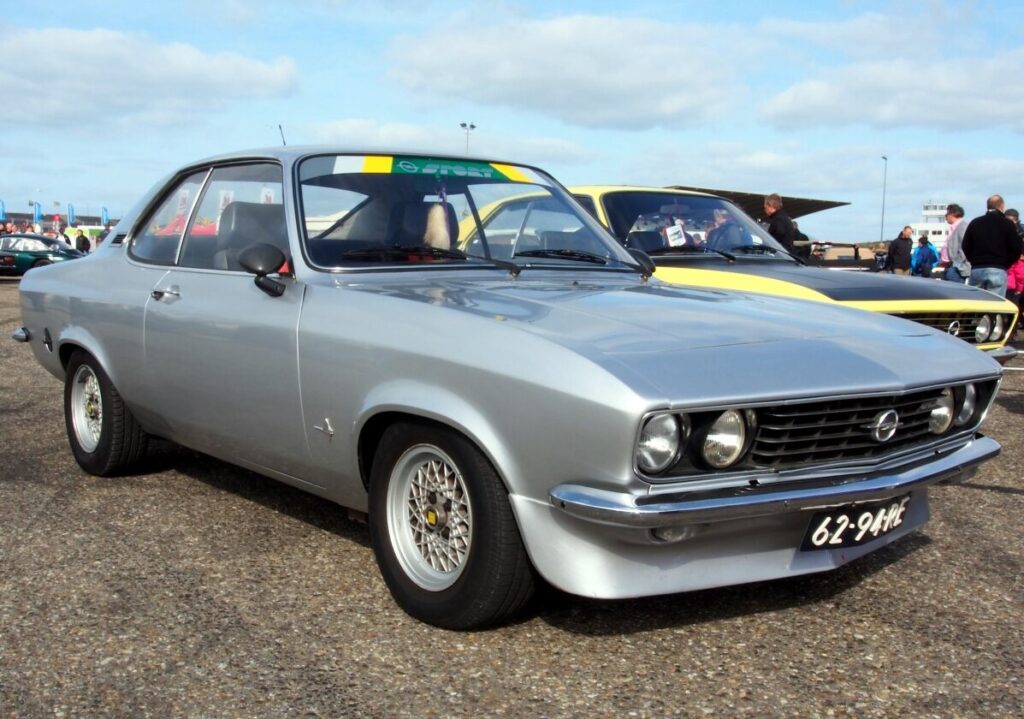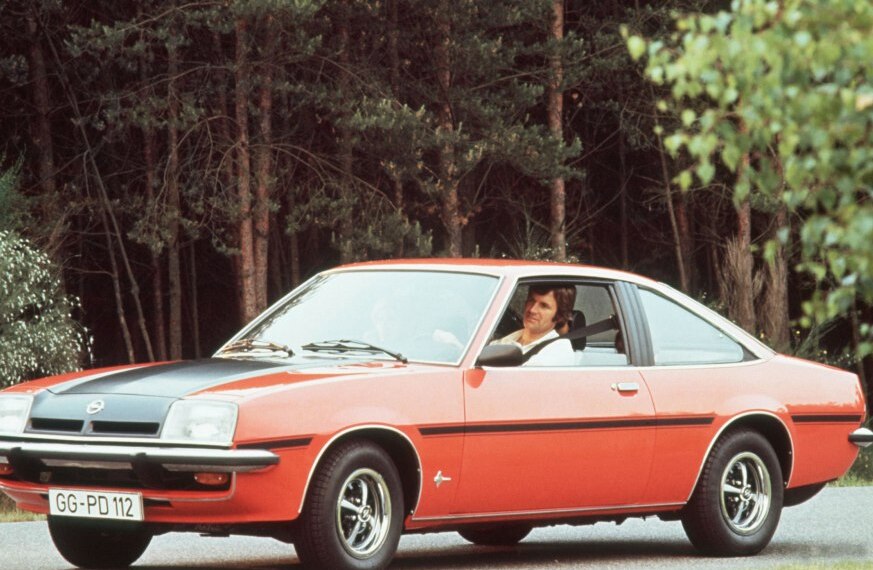
The Opel Manta B 1.9 E, produced between 1975 and 1977, represented a significant step up in performance for the Manta B range. Positioned as a mid-range offering, it bridged the gap between the more economical base models and the higher-performance, but less common, variants. The Manta B, launched in 1970, was Opel’s attempt to create a stylish, sporty coupe aimed at a younger demographic, and the 1.9 E offered a compelling blend of performance and affordability within the European market. It was a key model in Opel’s lineup during a period of increasing competition in the coupe segment.
Technical Specifications
| Brand | Opel |
| Model | Manta |
| Generation | Manta B |
| Type (Engine) | 1.9 E (105 Hp) |
| Start of production | 1975 |
| End of production | 1977 |
| Powertrain Architecture | Internal Combustion engine |
| Body type | Coupe |
| Seats | 4 |
| Doors | 2 |
| Fuel Type | Petrol (Gasoline) |
| Acceleration 0 – 100 km/h | 10.5 sec |
| Acceleration 0 – 62 mph | 10.5 sec |
| Acceleration 0 – 60 mph | 10 sec |
| Maximum speed | 185 km/h (114.95 mph) |
| Weight-to-power ratio | 9.5 kg/Hp, 105 Hp/tonne |
| Weight-to-torque ratio | 6.6 kg/Nm, 152 Nm/tonne |
| Power | 105 Hp @ 5400 rpm |
| Power per litre | 55.4 Hp/l |
| Torque | 152 Nm @ 4200 rpm (112.11 lb.-ft. @ 4200 rpm) |
| Maximum engine speed | 6150 rpm |
| Engine layout | Front, Longitudinal |
| Engine Model/Code | 19E |
| Engine displacement | 1897 cm3 (115.76 cu. in.) |
| Number of cylinders | 4 |
| Engine configuration | Inline |
| Cylinder Bore | 93 mm (3.66 in.) |
| Piston Stroke | 69.8 mm (2.75 in.) |
| Compression ratio | 9.2:1 |
| Number of valves per cylinder | 2 |
| Fuel injection system | Multi-port manifold injection |
| Engine aspiration | Naturally aspirated engine |
| Valvetrain | SOHC |
| Engine oil capacity | 3.8 l (4.02 US qt | 3.34 UK qt) |
| Coolant | 6.8 l (7.19 US qt | 5.98 UK qt) |
| Kerb Weight | 1000 kg (2204.62 lbs.) |
| Max. weight | 1370 kg (3020.33 lbs.) |
| Max load | 370 kg (815.71 lbs.) |
| Trunk (boot) space – maximum | 490 l (17.3 cu. ft.) |
| Fuel tank capacity | 50 l (13.21 US gal | 11 UK gal) |
| Permitted trailer load with brakes (12%) | 1300 kg (2866.01 lbs.) |
| Permitted trailer load without brakes | 500 kg (1102.31 lbs.) |
| Length | 4445 mm (175 in.) |
| Width | 1670 mm (65.75 in.) |
| Height | 1330 mm (52.36 in.) |
| Wheelbase | 2518 mm (99.13 in.) |
| Front track | 1375 mm (54.13 in.) |
| Rear (Back) track | 1375 mm (54.13 in.) |
| Minimum turning circle | 10.5 m (34.45 ft.) |
| Drivetrain Architecture | Rear wheel drive |
| Number of gears and type of gearbox | 4 gears, manual transmission |
| Front brakes | Disc |
| Rear brakes | Drum |
Powertrain & Engine Architecture
The heart of the Manta B 1.9 E was the 19E engine, a 1.9-liter inline-four cylinder unit. This engine featured a single overhead camshaft (SOHC) valvetrain operating two valves per cylinder. Crucially, it employed Bosch multi-port fuel injection, a significant upgrade over the carburetors found in lower-spec Manta B models. This injection system, combined with a compression ratio of 9.2:1, allowed for improved fuel efficiency and a noticeable increase in power output. The engine was mounted longitudinally in the front of the vehicle, driving the rear wheels. The 19E engine was known for its relative durability, although proper maintenance was essential to prevent issues with oil consumption as the engines aged.
Driving Characteristics
The 1.9 E offered a noticeable improvement in performance over the base Manta B models. With 105 horsepower, it could accelerate from 0 to 60 mph in around 10 seconds and achieve a top speed of approximately 115 mph. While not a sports car by modern standards, this was respectable performance for the mid-1970s. The four-speed manual transmission was well-matched to the engine’s characteristics, providing adequate gearing for both everyday driving and spirited acceleration. Compared to the later 1.9 SR models, the 1.9 E offered a more relaxed driving experience, prioritizing usability over outright performance. The rear-wheel-drive layout provided a balanced feel, although it required careful throttle control in wet or slippery conditions.
Equipment & Trim Levels
The 1.9 E trim level typically included features such as upgraded interior trim, a more comprehensive instrument cluster, and often, a vinyl roof. Standard upholstery was typically cloth, although optional leather interiors were available. Features like a radio and heated rear window were often included, but air conditioning was typically an optional extra. The dashboard layout was functional and driver-focused, with clearly marked gauges for speed, fuel level, coolant temperature, and oil pressure. The 1.9 E was positioned as a step above the base models in terms of comfort and convenience, but it didn’t offer the same level of luxury as some of its competitors.
Chassis & Braking
The Manta B utilized a relatively simple chassis design, featuring independent front suspension with MacPherson struts and a solid rear axle with leaf springs. The 1.9 E typically featured disc brakes on the front wheels and drum brakes on the rear. While adequate for the car’s performance, the rear drum brakes were a limitation compared to the all-disc setups found on some higher-performance models. Stabilizer bars were fitted to both the front and rear axles to reduce body roll during cornering. The suspension was tuned for a balance between comfort and handling, providing a reasonably compliant ride without sacrificing too much stability.
Market Reception & Comparison
The Manta B 1.9 E was generally well-received by automotive critics as a practical and enjoyable coupe. It offered a good balance of performance, fuel economy, and affordability. Compared to the base models, the 1.9 E provided a significant boost in power and a more refined driving experience. However, it faced competition from other coupes in its class, such as the Ford Capri and the Volkswagen Scirocco. The Capri offered a wider range of engine options, while the Scirocco was known for its more modern styling and handling. Fuel economy was reasonable for the time, averaging around 25-30 mpg depending on driving conditions. Reliability was generally good, but as with any classic car, regular maintenance was crucial to prevent issues.
Legacy
The Opel Manta B 1.9 E remains a popular classic car today, particularly among enthusiasts who appreciate its retro styling and relatively simple mechanicals. The 19E engine is known for its durability, although parts availability can be a challenge. Well-maintained examples command a reasonable price on the used car market. The Manta B, in general, has gained a cult following, and the 1.9 E represents a sweet spot in the range, offering a good balance of performance and affordability. It’s a testament to Opel’s design and engineering that the Manta B continues to be enjoyed by car enthusiasts decades after its production ended.