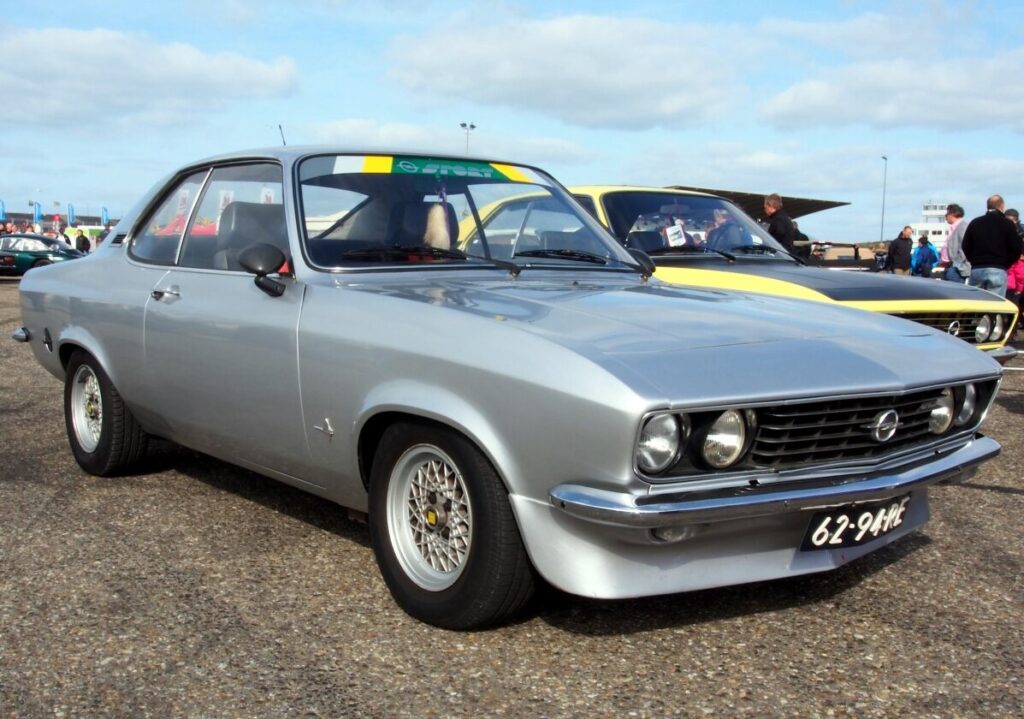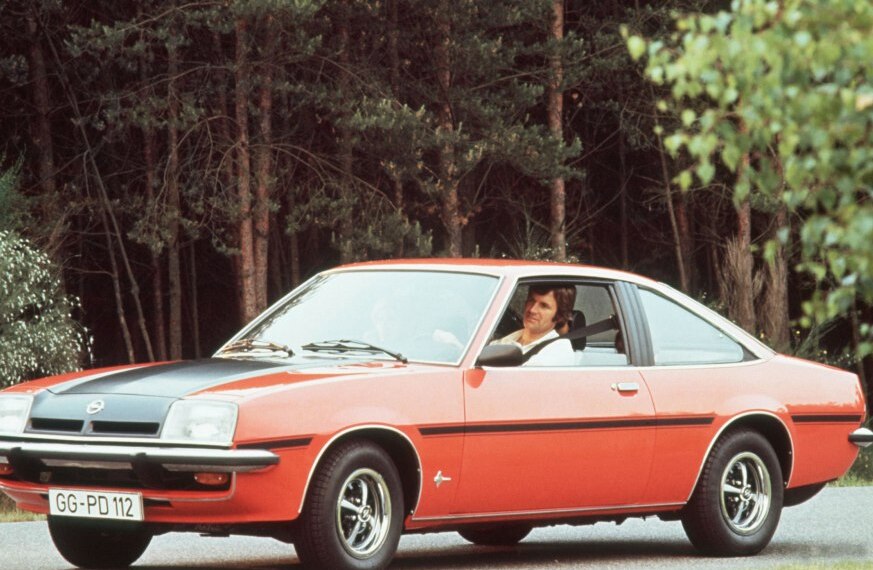
The Opel Manta B 1.9 N, produced between 1976 and 1981, represented the entry-level engine option for the second generation of the iconic Manta coupe. Positioned as an affordable and accessible sports coupe, the 1.9 N offered a balance between performance and economy, appealing to a broader market than its more powerful siblings. It was a key component of the Manta B lineup, which was built on the GM’s H-platform (internally designated as the 1HX0/A3 platform) and shared components with other GM vehicles of the era, including the Ascona. This variant aimed to provide a stylish and engaging driving experience without the higher price tag associated with the larger displacement engines.
Technical Specifications
| Brand | Opel |
| Model | Manta |
| Generation | Manta B |
| Type (Engine) | 1.9 N (75 Hp) |
| Start of production | 1976 |
| End of production | 1981 |
| Powertrain Architecture | Internal Combustion engine |
| Body type | Coupe |
| Seats | 4 |
| Doors | 2 |
| Fuel Type | Petrol (Gasoline) |
| Acceleration 0 – 100 km/h | 14 sec |
| Acceleration 0 – 62 mph | 14 sec |
| Acceleration 0 – 60 mph | 13.3 sec |
| Maximum speed | 162 km/h (100.66 mph) |
| Weight-to-power ratio | 13.3 kg/Hp, 75 Hp/tonne |
| Weight-to-torque ratio | 7.6 kg/Nm, 132 Nm/tonne |
| Power | 75 Hp @ 4800 rpm |
| Power per litre | 39.5 Hp/l |
| Torque | 132 Nm @ 2200-3400 rpm (97.36 lb.-ft. @ 2200-3400 rpm) |
| Engine layout | Front, Longitudinal |
| Engine Model/Code | 19N |
| Engine displacement | 1897 cm3 (115.76 cu. in.) |
| Number of cylinders | 4 |
| Engine configuration | Inline |
| Cylinder Bore | 93 mm (3.66 in.) |
| Piston Stroke | 69.8 mm (2.75 in.) |
| Compression ratio | 7.9:1 |
| Number of valves per cylinder | 2 |
| Fuel injection system | Carburettor |
| Engine aspiration | Naturally aspirated engine |
| Valvetrain | SOHC |
| Engine oil capacity | 3.8 l (4.02 US qt | 3.34 UK qt) |
| Coolant | 5.9 l (6.23 US qt | 5.19 UK qt) |
| Kerb Weight | 1000 kg (2204.62 lbs.) |
| Max. weight | 1370 kg (3020.33 lbs.) |
| Max load | 370 kg (815.71 lbs.) |
| Trunk (boot) space – maximum | 490 l (17.3 cu. ft.) |
| Fuel tank capacity | 50 l (13.21 US gal | 11 UK gal) |
| Permitted trailer load with brakes (12%) | 1300 kg (2866.01 lbs.) |
| Permitted trailer load without brakes | 500 kg (1102.31 lbs.) |
| Length | 4445 mm (175 in.) |
| Width | 1670 mm (65.75 in.) |
| Height | 1330 mm (52.36 in.) |
| Wheelbase | 2518 mm (99.13 in.) |
| Front track | 1380 mm (54.33 in.) |
| Rear (Back) track | 1375 mm (54.13 in.) |
| Minimum turning circle | 10.5 m (34.45 ft.) |
| Drivetrain Architecture | Rear wheel drive |
| Number of gears and type of gearbox | 4 gears, manual transmission |
| Front brakes | Disc |
| Rear brakes | Drum |
Powertrain & Engine Architecture
The heart of the Manta B 1.9 N was the 19N engine, a 1.9-liter inline-four cylinder unit. This engine utilized a single overhead camshaft (SOHC) valvetrain and was fed by a single carburetor, a common setup for the time. The 19N engine was known for its relative simplicity and ease of maintenance. The engine’s 7.9:1 compression ratio was a compromise between performance and the ability to run on the available fuel grades of the era. The engine was mounted longitudinally in the front of the vehicle, driving the rear wheels. The four-speed manual transmission was the standard offering, providing a direct connection between the engine and the drivetrain. This configuration, while not particularly sophisticated, was robust and reliable.
Driving Characteristics
The 1.9 N Manta B offered a modest but enjoyable driving experience. With 75 horsepower, acceleration was not its strong suit, taking around 14 seconds to reach 62 mph. However, the car’s relatively light weight (around 2200 lbs) helped to mitigate the lack of outright power. The engine delivered its peak torque of 97.36 lb.-ft. between 2200 and 3400 rpm, providing reasonable responsiveness in everyday driving situations. The four-speed manual transmission offered a decent spread of gears, but the relatively tall gearing meant that frequent downshifts were necessary for overtaking or climbing hills. Compared to the more powerful 1.9E or the later 2.0-liter versions, the 1.9 N felt noticeably slower, but it offered a more economical and forgiving driving experience.
Equipment & Trim Levels
The 1.9 N typically came with a fairly basic level of equipment. Standard features included cloth upholstery, vinyl floor covering, and basic instrumentation. The dashboard was typically constructed from durable plastic, and the interior was functional rather than luxurious. Optional extras included a sunroof, upgraded stereo system, and more comfortable seats. The exterior trim was relatively simple, with minimal chrome accents. The 1.9 N was often seen as a blank canvas for owners who wanted to personalize their vehicles with aftermarket accessories.
Chassis & Braking
The Manta B utilized a relatively simple chassis design. It featured independent front suspension with MacPherson struts and a solid rear axle with leaf springs. The front brakes were disc brakes, providing adequate stopping power, while the rear brakes were drum brakes, which were less effective. The suspension was tuned for a balance between comfort and handling, providing a reasonably compliant ride. The 1.9 N typically featured narrower tires than the higher-performance models, which contributed to its more forgiving handling characteristics.
Market Reception & Comparison
The Opel Manta B 1.9 N was generally well-received as an affordable and stylish coupe. Critics praised its attractive design and relatively low price point. However, the 1.9 N’s performance was often criticized as being underwhelming, particularly when compared to the more powerful versions of the Manta B. Fuel economy was considered to be reasonable for the time, and the car’s reliability was generally good. Compared to the 1.9E, the 1.9 N offered a significant price advantage, making it more accessible to a wider range of buyers. However, the 1.9E provided a noticeable performance boost, making it a more appealing option for driving enthusiasts.
Legacy
The Opel Manta B 1.9 N remains a popular classic car today, particularly among those who appreciate its simple design and affordable price. The 19N engine is known for its durability and ease of maintenance, making it a relatively reliable powertrain. However, like all classic cars, the 1.9 N requires regular maintenance and care to keep it in good condition. Parts availability can be a challenge, but a thriving aftermarket exists to support owners. The Manta B 1.9 N represents a significant piece of automotive history, embodying the spirit of the 1970s and early 1980s.