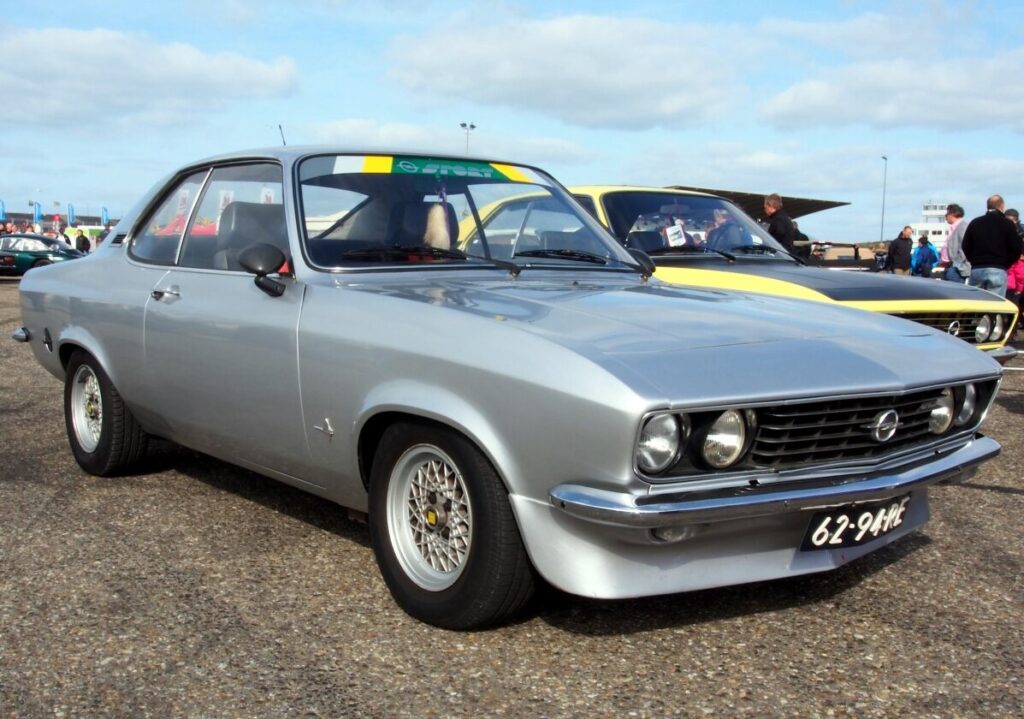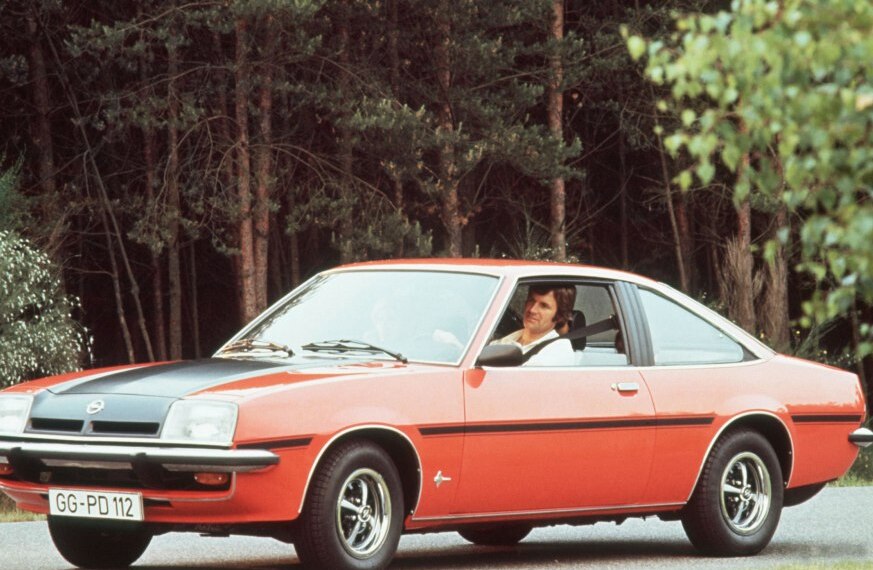
The Opel Manta B 1.9 S, produced between 1975 and 1980, represented a key iteration of Opel’s iconic coupe. Positioned as a mid-range offering within the broader Manta B lineup, it aimed to provide a balance between performance and affordability. The Manta B, launched in 1970, was a significant redesign of the original Manta, moving to a more contemporary and aerodynamic design. This second generation Manta was built on the GM’s H-platform, shared with other European Opel and Vauxhall models. The 1.9 S variant, with its 90 horsepower engine, was a popular choice for drivers seeking a sporty and stylish coupe without the expense of the higher-performance models like the later 2.0E.
Technical Specifications
| Brand | Opel |
| Model | Manta |
| Generation | Manta B |
| Type (Engine) | 1.9 S (90 Hp) |
| Start of production | 1975 |
| End of production | 1980 |
| Powertrain Architecture | Internal Combustion engine |
| Body type | Coupe |
| Seats | 4 |
| Doors | 2 |
| Fuel Type | Petrol (Gasoline) |
| Acceleration 0 – 100 km/h | 11.5 sec |
| Acceleration 0 – 62 mph | 11.5 sec |
| Acceleration 0 – 60 mph | 10.9 sec |
| Maximum speed | 172 km/h (106.88 mph) |
| Weight-to-power ratio | 11.1 kg/Hp, 90 Hp/tonne |
| Weight-to-torque ratio | 6.8 kg/Nm, 147 Nm/tonne |
| Power | 90 Hp @ 4800 rpm |
| Power per litre | 47.4 Hp/l |
| Torque | 147 Nm @ 2600-3800 rpm (108.42 lb.-ft. @ 2600-3800 rpm) |
| Engine layout | Front, Longitudinal |
| Engine Model/Code | 19S |
| Engine displacement | 1897 cm3 (115.76 cu. in.) |
| Number of cylinders | 4 |
| Engine configuration | Inline |
| Cylinder Bore | 93 mm (3.66 in.) |
| Piston Stroke | 69.8 mm (2.75 in.) |
| Compression ratio | 8.8:1 |
| Number of valves per cylinder | 2 |
| Fuel injection system | Carburettor |
| Engine aspiration | Naturally aspirated engine |
| Valvetrain | SOHC |
| Engine oil capacity | 3.8 l (4.02 US qt | 3.34 UK qt) |
| Coolant | 6.1 l (6.45 US qt | 5.37 UK qt) |
| Kerb Weight | 1000 kg (2204.62 lbs.) |
| Max. weight | 1370 kg (3020.33 lbs.) |
| Max load | 370 kg (815.71 lbs.) |
| Trunk (boot) space – minimum | 490 l (17.3 cu. ft.) |
| Fuel tank capacity | 50 l (13.21 US gal | 11 UK gal) |
| Permitted trailer load with brakes (12%) | 1300 kg (2866.01 lbs.) |
| Permitted trailer load without brakes | 500 kg (1102.31 lbs.) |
| Length | 4445 mm (175 in.) |
| Width | 1670 mm (65.75 in.) |
| Height | 1330 mm (52.36 in.) |
| Wheelbase | 2518 mm (99.13 in.) |
| Front track | 1375 mm (54.13 in.) |
| Rear (Back) track | 1375 mm (54.13 in.) |
| Minimum turning circle | 10.5 m (34.45 ft.) |
| Drivetrain Architecture | Rear wheel drive |
| Number of gears and type of gearbox | 4 gears, manual transmission |
| Front brakes | Disc |
| Rear brakes | Drum |
Powertrain & Engine Architecture
The heart of the Manta B 1.9 S was the 1897cc (1.9-liter) inline-four cylinder engine, designated the 19S. This engine featured a single overhead camshaft (SOHC) valvetrain with two valves per cylinder. Unlike later fuel-injected versions, the 1.9 S utilized a Solex carburetor for fuel delivery. This carburetor setup, while simpler than fuel injection, was considered reliable and relatively easy to maintain. The engine produced 90 horsepower at 4800 rpm and 147 Nm (108.42 lb-ft) of torque between 2600 and 3800 rpm. The engine was mounted longitudinally in the front of the vehicle, driving the rear wheels. The four-speed manual transmission was the standard offering, providing a direct connection between the engine and the drivetrain.
Driving Characteristics
The 1.9 S offered a reasonably engaging driving experience, though it wasn’t the fastest Manta B variant. Acceleration from 0 to 60 mph took around 10.9 seconds, and the top speed was approximately 107 mph. The carburetor contributed to a slightly less responsive throttle compared to fuel-injected models, but the engine delivered usable torque throughout the rev range. The four-speed manual transmission had relatively widely spaced gear ratios, requiring drivers to shift frequently to maintain optimal engine speed. Compared to the later 2.0-liter models, the 1.9 S felt less powerful, particularly at higher speeds. However, it offered a more economical driving experience and was considered more forgiving for less experienced drivers.
Equipment & Trim Levels
The 1.9 S trim level typically included basic features such as cloth upholstery, vinyl floor covering, and a simple dashboard layout. Standard equipment also included front disc brakes and rear drum brakes. Optional extras included a sunroof, upgraded stereo systems, and more comfortable seating. The interior was functional and straightforward, reflecting the car’s positioning as an affordable coupe. The exterior styling was characterized by the Manta B’s distinctive fastback profile, with a black grille and chrome trim.
Chassis & Braking
The Manta B utilized a relatively simple chassis design, with a front independent suspension and a solid rear axle. The front suspension featured MacPherson struts, while the rear suspension employed leaf springs. The 1.9 S typically came equipped with drum brakes on the rear wheels, while the front wheels featured disc brakes. Stabilizer bars were often included to reduce body roll during cornering. The suspension setup provided a comfortable ride, but it wasn’t particularly sporty. The braking performance was adequate for the car’s weight and power, but it lacked the stopping power of more modern braking systems.
Market Reception & Comparison
The Manta B 1.9 S was generally well-received by automotive critics as an affordable and stylish coupe. It was praised for its attractive design, comfortable ride, and relatively low running costs. However, it was also criticized for its lack of outright performance compared to higher-spec models. Compared to the 2.0-liter versions, the 1.9 S offered better fuel economy but less power. The 1.9 S was also a more economical choice than the diesel-powered Manta B models, which were less popular with performance-oriented buyers. The Manta B competed with other European coupes such as the Ford Capri and the Vauxhall Firenza.
Legacy
The Opel Manta B 1.9 S has become a popular classic car among enthusiasts. The 19S engine is known for its reliability and relative simplicity, making it a relatively easy engine to maintain and repair. Parts availability is generally good, although some specific components can be difficult to find. Today, well-maintained examples of the Manta B 1.9 S are sought after by collectors and enthusiasts who appreciate its classic styling and engaging driving experience. The Manta B, in general, holds a significant place in automotive history as a symbol of 1970s European motoring, and the 1.9 S represents a particularly accessible and enjoyable entry point into the Manta ownership experience.