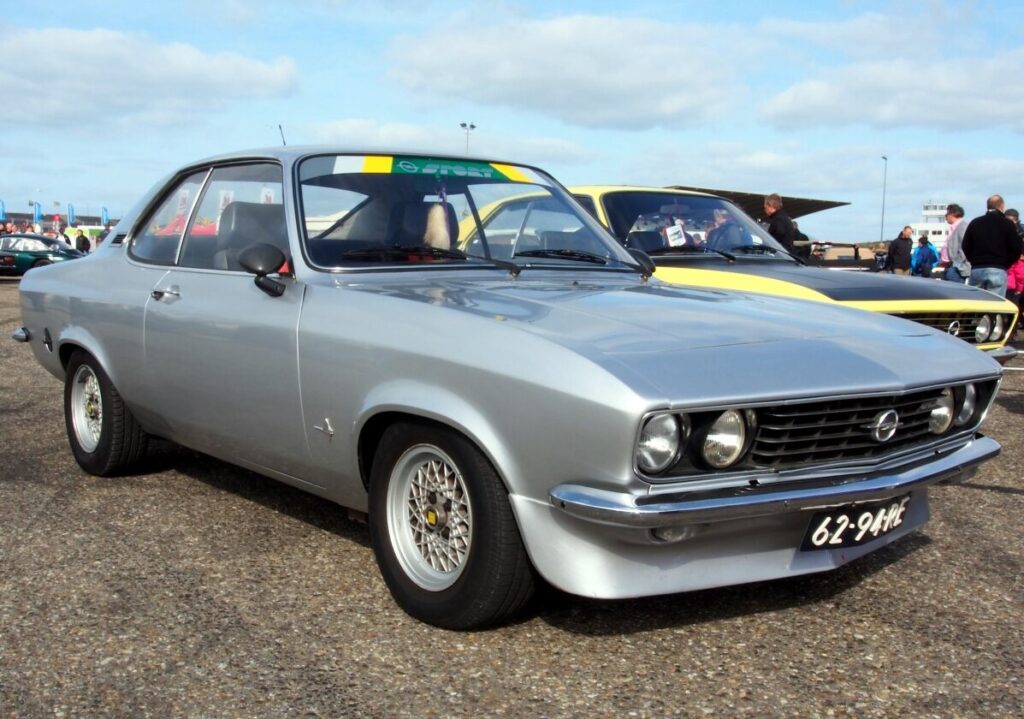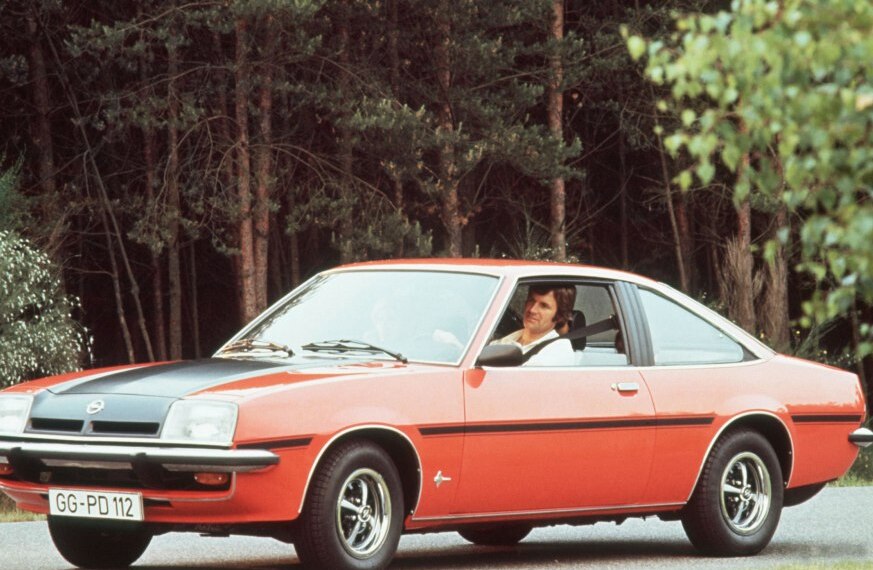
The Opel Manta B 2.0 E, produced between 1977 and 1981, represented a significant step up in performance and refinement for the iconic Manta coupe. Positioned as a mid-range offering within the broader Manta B lineup (which also included 1.6 and 1.9-liter variants), the 2.0 E aimed to deliver a blend of sporting character and everyday usability. It was a key model for Opel during a period of increasing competition in the European sports coupe market, and played a role in solidifying the Manta’s image as a stylish and relatively affordable performance car. The Manta B itself was based on the GM T-platform, shared with other vehicles like the Ascona, and represented a substantial redesign over the original Manta A.
Technical Specifications
| Brand | Opel |
| Model | Manta |
| Generation | Manta B |
| Type (Engine) | 2.0 E (110 Hp) |
| Start of production | 1977 |
| End of production | 1981 |
| Powertrain Architecture | Internal Combustion engine |
| Body type | Coupe |
| Seats | 4 |
| Doors | 2 |
| Fuel Type | Petrol (Gasoline) |
| Acceleration 0 – 100 km/h | 10 sec |
| Acceleration 0 – 62 mph | 10 sec |
| Acceleration 0 – 60 mph | 9.5 sec |
| Maximum speed | 187 km/h (116.2 mph) |
| Weight-to-power ratio | 9.1 kg/Hp, 110 Hp/tonne |
| Weight-to-torque ratio | 6.3 kg/Nm, 159 Nm/tonne |
| Power | 110 Hp @ 5400 rpm |
| Power per litre | 55.6 Hp/l |
| Torque | 159 Nm @ 3400 rpm (117.27 lb.-ft. @ 3400 rpm) |
| Engine layout | Front, Longitudinal |
| Engine Model/Code | 20E |
| Engine displacement | 1979 cm3 (120.77 cu. in.) |
| Number of cylinders | 4 |
| Engine configuration | Inline |
| Cylinder Bore | 95 mm (3.74 in.) |
| Piston Stroke | 69.8 mm (2.75 in.) |
| Compression ratio | 9.4:1 |
| Number of valves per cylinder | 2 |
| Fuel injection system | Multi-port manifold injection |
| Engine aspiration | Naturally aspirated engine |
| Valvetrain | SOHC |
| Engine oil capacity | 3.8 l (4.02 US qt | 3.34 UK qt) |
| Coolant | 6.2 l (6.55 US qt | 5.46 UK qt) |
| Kerb Weight | 1000 kg (2204.62 lbs.) |
| Max. weight | 1370 kg (3020.33 lbs.) |
| Max load | 370 kg (815.71 lbs.) |
| Trunk (boot) space – maximum | 490 l (17.3 cu. ft.) |
| Fuel tank capacity | 50 l (13.21 US gal | 11 UK gal) |
| Length | 4445 mm (175 in.) |
| Width | 1670 mm (65.75 in.) |
| Height | 1330 mm (52.36 in.) |
| Wheelbase | 2518 mm (99.13 in.) |
| Front track | 1380 mm (54.33 in.) |
| Rear (Back) track | 1375 mm (54.13 in.) |
| Minimum turning circle | 10.5 m (34.45 ft.) |
| Drivetrain Architecture | Rear wheel drive |
| Number of gears | 4 gears, manual transmission |
| Front brakes | Disc |
| Rear brakes | Drum |
Powertrain & Engine Architecture
The heart of the Manta B 2.0 E was the 20E engine, a 1,979 cc inline-four cylinder unit. This engine featured a single overhead camshaft (SOHC) valvetrain operating two valves per cylinder. Crucially, it employed Bosch multi-port fuel injection, a significant upgrade over the carburetors found on earlier Manta models. This injection system, combined with a compression ratio of 9.4:1, helped to deliver a respectable 110 horsepower at 5,400 rpm and 159 Nm (117.27 lb-ft) of torque at 3,400 rpm. The engine was mounted longitudinally in the front of the car, driving the rear wheels. The 20E was known for its relatively smooth operation and decent responsiveness, although it wasn’t considered a high-performance engine by contemporary standards. The four-speed manual transmission was the standard offering, providing a direct connection between the engine and the rear wheels.
Driving Characteristics
The Manta B 2.0 E offered a reasonably engaging driving experience. While not a particularly quick car by modern standards, the 0-60 mph time of around 9.5 seconds was respectable for the late 1970s. The engine’s torque delivery made it feel lively around town, and it was capable of comfortable cruising on the highway. The rear-wheel-drive layout contributed to a balanced feel, although the relatively soft suspension setup meant that it wasn’t a particularly sharp-handling car. Compared to the lower-powered 1.6-liter versions, the 2.0 E provided a noticeable boost in performance, making it more suitable for longer journeys and spirited driving. However, it lacked the outright punch of the later 2.4-liter models. The four-speed gearbox, while adequate, had relatively widely spaced ratios, which could sometimes require frequent shifting.
Equipment & Trim Levels
The 2.0 E trim generally included features such as a more comfortable interior trim than the base models, often featuring upgraded cloth upholstery. A basic instrument cluster was standard, providing readouts for speed, fuel level, coolant temperature, and battery voltage. Power-assisted brakes were typically included. Optional extras included a sunroof, upgraded stereo systems, and alloy wheels. The interior design was functional and relatively simple, reflecting the car’s affordable positioning. The dashboard layout was straightforward, with easy-to-reach controls.
Chassis & Braking
The Manta B utilized a relatively conventional chassis design, with a MacPherson strut front suspension and a rigid axle rear suspension. The 2.0 E models typically featured disc brakes on the front wheels and drum brakes on the rear. The suspension was tuned for comfort rather than outright handling prowess, resulting in a ride that was generally compliant but not particularly sporty. Stabilizer bars were often included, helping to reduce body roll during cornering. The steering was a recirculating ball system, which provided a reasonable level of feel but lacked the precision of more modern steering technologies.
Market Reception & Comparison
The Manta B 2.0 E was generally well-received by automotive critics as a competent and stylish coupe. It was praised for its fuel injection system, which improved performance and drivability compared to earlier carbureted models. However, some critics noted that the car’s handling was not as sharp as some of its rivals, such as the Ford Capri. In terms of fuel economy, the 2.0 E offered a reasonable compromise between performance and efficiency, although it wasn’t as economical as the smaller-engined versions. Reliability was generally good, although the Bosch fuel injection system could sometimes require maintenance. Compared to the 1.6-liter Manta B, the 2.0 E offered a significant performance upgrade, making it a more appealing option for drivers who prioritized driving enjoyment.
Legacy
The Opel Manta B 2.0 E remains a popular classic car today, particularly among enthusiasts who appreciate its retro styling and relatively simple mechanicals. The 20E engine is generally considered to be a robust and reliable unit, although regular maintenance is essential to keep it running smoothly. Parts availability is generally good, although some specific components can be difficult to find. The Manta B 2.0 E represents a significant chapter in Opel’s history, and it continues to be a cherished vehicle for many car collectors and enthusiasts. Its blend of style, affordability, and reasonable performance has ensured its enduring appeal.