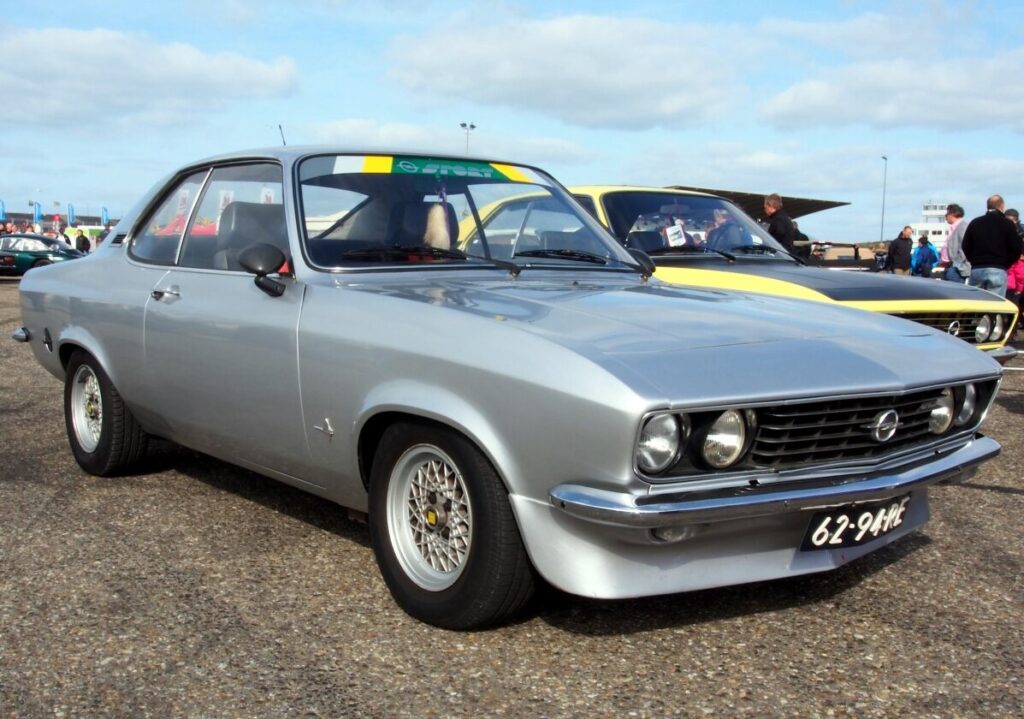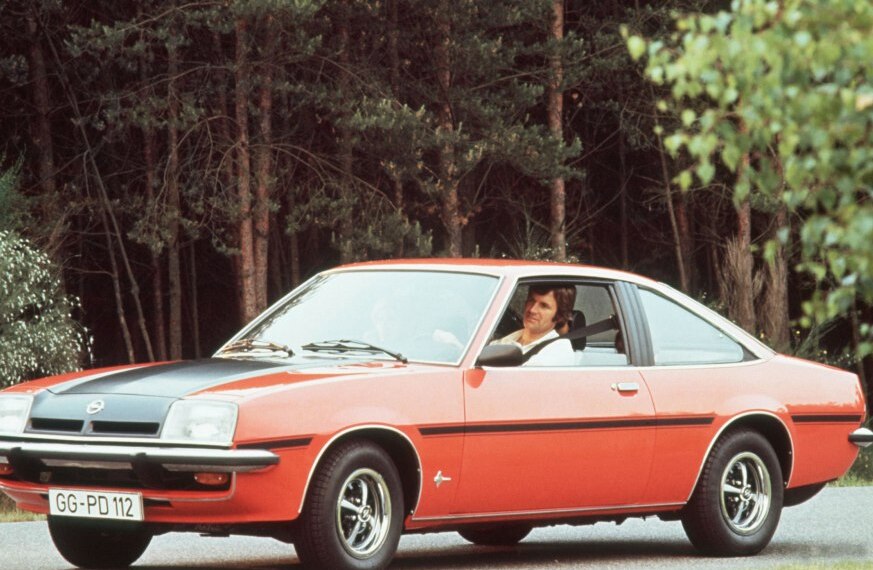
The Opel Manta B 2.0 N (90 hp) was a variant of the Manta B produced between 1977 and 1980. Positioned as the entry-level engine option within the Manta B range, it offered a more affordable route into Opel’s iconic coupe. The Manta B, launched in 1977, represented a significant redesign of the original Manta, incorporating a more modern aesthetic and improved mechanicals. It was built on the GM’s T-platform, shared with other models like the Ascona, and aimed to provide a sporty and stylish vehicle for the European market. The 2.0 N, with its 90 horsepower output, was intended to appeal to buyers seeking a balance between performance and economy.
Technical Specifications
| Brand | Opel |
| Model | Manta |
| Generation | Manta B |
| Type (Engine) | 2.0 N (90 Hp) |
| Start of production | 1977 |
| End of production | 1980 |
| Powertrain Architecture | Internal Combustion engine |
| Body type | Coupe |
| Seats | 4 |
| Doors | 2 |
| Fuel Type | Petrol (Gasoline) |
| Acceleration 0 – 100 km/h | 12 sec |
| Acceleration 0 – 62 mph | 12 sec |
| Acceleration 0 – 60 mph | 11.4 sec |
| Maximum speed | 172 km/h (106.88 mph) |
| Weight-to-power ratio | 11.3 kg/Hp, 88.2 Hp/tonne |
| Weight-to-torque ratio | 7.2 kg/Nm, 139.2 Nm/tonne |
| Power | 90 Hp @ 5200 rpm |
| Power per litre | 45.5 Hp/l |
| Torque | 142 Nm @ 3800 rpm (104.73 lb.-ft. @ 3800 rpm) |
| Engine layout | Front, Longitudinal |
| Engine displacement | 1979 cm3 (120.77 cu. in.) |
| Number of cylinders | 4 |
| Engine configuration | Inline |
| Cylinder Bore | 95 mm (3.74 in.) |
| Piston Stroke | 69.8 mm (2.75 in.) |
| Compression ratio | 8:1 |
| Number of valves per cylinder | 2 |
| Fuel injection system | Carburettor |
| Engine aspiration | Naturally aspirated engine |
| Valvetrain | SOHC |
| Kerb Weight | 1020 kg (2248.72 lbs.) |
| Max. weight | 1390 kg (3064.43 lbs.) |
| Max load | 370 kg (815.71 lbs.) |
| Trunk (boot) space – maximum | 490 l (17.3 cu. ft.) |
| Fuel tank capacity | 50 l (13.21 US gal | 11 UK gal) |
| Length | 4445 mm (175 in.) |
| Width | 1670 mm (65.75 in.) |
| Height | 1330 mm (52.36 in.) |
| Wheelbase | 2518 mm (99.13 in.) |
| Front track | 1380 mm (54.33 in.) |
| Rear (Back) track | 1375 mm (54.13 in.) |
| Minimum turning circle | 10.5 m (34.45 ft.) |
| Drivetrain Architecture | The Internal combustion engine (ICE) drives the rear wheels of the vehicle. |
| Drive wheel | Rear wheel drive |
| Number of gears and type of gearbox | 4 gears, manual transmission |
| Front brakes | Disc |
| Rear brakes | Drum |
Powertrain & Engine Architecture
The heart of the Manta B 2.0 N was the CIH (Cylinderkopf-integrierte Nockenwelle – camshaft integrated in the cylinder head) inline-four engine, specifically the 2.0-liter variant. This engine, designated with engine codes like S, N, or E depending on the specific tuning, featured a single overhead camshaft (SOHC) and a two-valve-per-cylinder configuration. The 90 hp version utilized a Solex carburetor for fuel delivery, a relatively simple system compared to the fuel injection found on higher-spec Manta models. The engine’s 8:1 compression ratio was a compromise between performance and the fuel quality available at the time. The engine was mounted longitudinally in the front of the vehicle, driving the rear wheels. The four-speed manual transmission was the standard offering, providing a straightforward driving experience. While an automatic transmission was available, it was less common with the 2.0 N engine.
Driving Characteristics
The 2.0 N Manta B offered a respectable, if not exhilarating, driving experience. With 90 horsepower and 105 lb-ft of torque, acceleration from 0 to 60 mph took around 11.4 seconds, and top speed was approximately 107 mph. Compared to the more powerful 2.0 SR or the later 2.0 E models, the 2.0 N felt noticeably slower. However, the lower power output also meant less stress on the engine and drivetrain, potentially contributing to greater long-term reliability. The four-speed manual gearbox provided a direct connection to the engine, allowing drivers to make the most of the available power. The rear-wheel-drive layout offered a degree of handling balance, although the relatively soft suspension setup prioritized comfort over outright sportiness.
Equipment & Trim Levels
The 2.0 N trim level represented the base model in the Manta B range. Standard equipment typically included cloth upholstery, basic instrumentation (speedometer, fuel gauge, temperature gauge), and steel wheels with hubcaps. Power steering and a sunroof were often optional extras. Interior trim was generally functional and durable, reflecting the car’s affordable positioning. The dashboard layout was relatively simple, with clearly marked controls. Buyers could specify different exterior colors, but the 2.0 N typically lacked the more elaborate styling touches found on higher-spec models, such as alloy wheels or a rear spoiler.
Chassis & Braking
The Manta B utilized a conventional chassis layout with independent front suspension and a solid rear axle. The front suspension featured MacPherson struts, while the rear employed leaf springs. The 2.0 N typically came equipped with disc brakes on the front wheels and drum brakes on the rear. The braking system was adequate for the car’s performance, but lacked the stopping power of the ventilated disc brakes found on some higher-spec models. Stabilizer bars were often optional, and their presence could noticeably improve handling. The suspension was tuned for a comfortable ride, prioritizing everyday usability over aggressive cornering.
Market Reception & Comparison
The Opel Manta B 2.0 N was generally well-received as an affordable and stylish coupe. Critics acknowledged its attractive design and decent performance for the price. However, it was often overshadowed by the more powerful and better-equipped variants, such as the 2.0 SR and 2.0 E. Compared to the 2.0 SR, the 2.0 N offered significantly less power and a more basic level of equipment. However, it was also more fuel-efficient and less expensive to maintain. The 2.0 N appealed to buyers who prioritized value and practicality over outright performance. Its simplicity also made it a relatively easy car to work on for DIY mechanics.
Legacy
The Opel Manta B 2.0 N, while not the most sought-after variant, remains a popular classic car among enthusiasts. Its relative simplicity and affordability have contributed to its survival rate. The CIH engine is known for its durability and reliability, and many examples are still on the road today. However, finding parts can sometimes be a challenge, as production ceased over four decades ago. The 2.0 N represents a gateway into Manta ownership, offering a taste of the iconic coupe’s style and character without the higher price tag of the more desirable models. In the used car market, well-maintained examples of the 2.0 N can fetch reasonable prices, making it an accessible classic for those looking to experience a piece of 1970s automotive history.