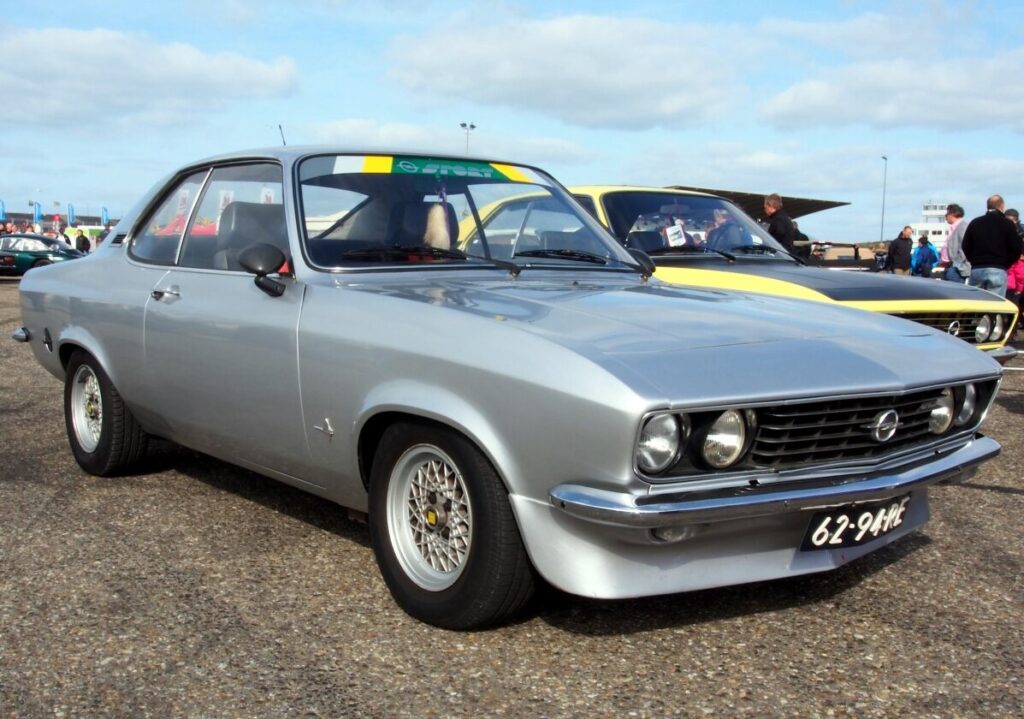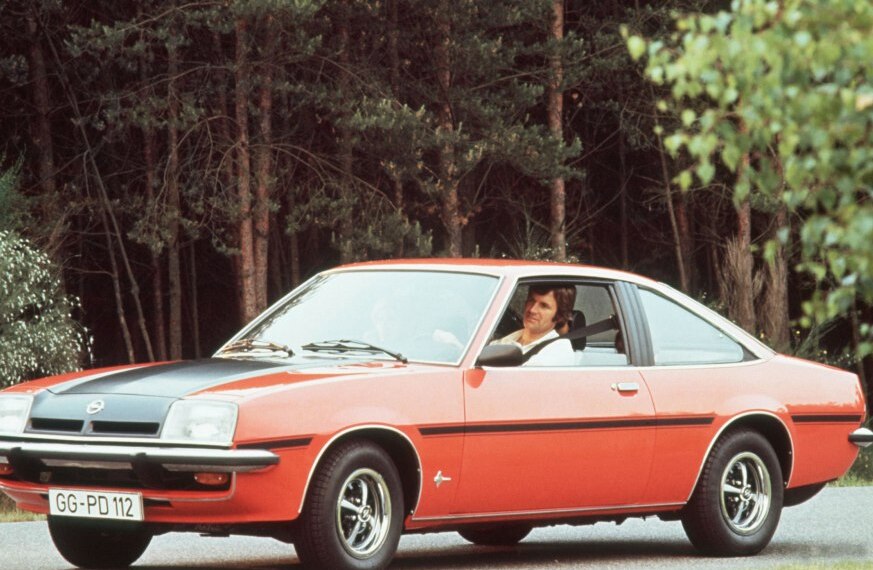
The Opel Manta B 2.0 S, produced between 1977 and 1981, represented a significant iteration of Opel’s iconic Manta coupe. Falling within the broader Manta B generation (1970-1988), the 2.0 S occupied a mid-range position in the lineup, offering a balance between performance and affordability. It was primarily marketed in Europe as a stylish and sporty coupe aimed at a younger demographic, offering a more accessible entry point into the world of rear-wheel-drive performance compared to the more expensive and potent Manta GT/E. The 2.0 S aimed to provide a more refined driving experience than the base models, while remaining a practical and relatively economical choice for everyday use.
Technical Specifications
| Brand | Opel |
| Model | Manta |
| Generation | Manta B |
| Type (Engine) | 2.0 S (100 Hp) |
| Start of production | 1977 |
| End of production | 1981 |
| Powertrain Architecture | Internal Combustion engine |
| Body type | Coupe |
| Seats | 4 |
| Doors | 2 |
| Fuel Type | Petrol (Gasoline) |
| Acceleration 0 – 100 km/h | 11 sec |
| Acceleration 0 – 62 mph | 11 sec |
| Acceleration 0 – 60 mph | 10.5 sec |
| Maximum speed | 180 km/h (111.85 mph) |
| Weight-to-power ratio | 10.2 kg/Hp, 98 Hp/tonne |
| Weight-to-torque ratio | 6.7 kg/Nm, 150 Nm/tonne |
| Power | 100 Hp @ 5400 rpm |
| Power per litre | 50.5 Hp/l |
| Torque | 153 Nm @ 3800 rpm (112.85 lb.-ft. @ 3800 rpm) |
| Engine layout | Front, Longitudinal |
| Engine Model/Code | 20S |
| Engine displacement | 1979 cm3 (120.77 cu. in.) |
| Number of cylinders | 4 |
| Engine configuration | Inline |
| Cylinder Bore | 95 mm (3.74 in.) |
| Piston Stroke | 69.8 mm (2.75 in.) |
| Compression ratio | 9:1 |
| Number of valves per cylinder | 2 |
| Fuel injection system | Carburettor |
| Engine aspiration | Naturally aspirated engine |
| Valvetrain | SOHC |
| Engine oil capacity | 3.8 l (4.02 US qt | 3.34 UK qt) |
| Coolant | 6.2 l (6.55 US qt | 5.46 UK qt) |
| Kerb Weight | 1020 kg (2248.72 lbs.) |
| Max. weight | 1390 kg (3064.43 lbs.) |
| Max load | 370 kg (815.71 lbs.) |
| Trunk (boot) space – maximum | 490 l (17.3 cu. ft.) |
| Fuel tank capacity | 50 l (13.21 US gal | 11 UK gal) |
| Length | 4445 mm (175 in.) |
| Width | 1670 mm (65.75 in.) |
| Height | 1330 mm (52.36 in.) |
| Wheelbase | 2518 mm (99.13 in.) |
| Front track | 1380 mm (54.33 in.) |
| Rear (Back) track | 1375 mm (54.13 in.) |
| Minimum turning circle | 10.5 m (34.45 ft.) |
| Drivetrain Architecture | Rear wheel drive |
| Number of gears | 4 gears, manual transmission |
| Front brakes | Disc |
| Rear brakes | Drum |
Powertrain & Engine Architecture
The heart of the Manta B 2.0 S was the 1979cc inline-four cylinder engine, designated the 20S. This engine featured a single overhead camshaft (SOHC) valvetrain with two valves per cylinder. Fuel delivery was handled by a Solex carburetor, a common setup for the era, providing adequate but not particularly sophisticated fuel management. The 20S engine produced 100 horsepower at 5400 rpm and 153 Nm (113 lb-ft) of torque at 3800 rpm. The engine was mounted longitudinally in the front of the vehicle, driving the rear wheels. The four-speed manual transmission was the standard offering, providing a relatively direct connection between the engine and the drivetrain. The engine’s design was relatively simple and robust, prioritizing reliability and ease of maintenance over outright performance.
Driving Characteristics
The 2.0 S offered a reasonably engaging driving experience, particularly for its time. While not a high-performance machine, the combination of the 100 hp engine and rear-wheel drive provided a degree of agility and responsiveness. Acceleration from 0 to 60 mph took around 10.5 seconds, and the car could reach a top speed of 180 km/h (112 mph). The four-speed manual transmission offered a decent spread of gears, but the relatively low horsepower meant that frequent downshifts were often necessary, especially when tackling hills or overtaking. Compared to the more powerful Manta GT/E, the 2.0 S felt noticeably less urgent, but it also offered a more forgiving and manageable driving experience. The rear-wheel-drive layout provided a balanced feel, although it could also lead to oversteer if pushed too hard.
Equipment & Trim Levels
The 2.0 S trim level offered a step up in comfort and features compared to the base Manta models. Standard equipment typically included cloth upholstery, a basic instrument cluster, and a steering wheel. Optional extras included a sunroof, upgraded audio systems, and alloy wheels. The interior design was functional and straightforward, reflecting the car’s focus on affordability. The dashboard layout was simple, with clearly marked gauges for speed, fuel level, and engine temperature. The 2.0 S aimed to provide a comfortable and practical interior without excessive luxury.
Chassis & Braking
The Manta B 2.0 S utilized a relatively conventional chassis design. It featured independent front suspension with coil springs and a rigid rear axle with leaf springs. The front brakes were disc brakes, providing adequate stopping power, while the rear brakes were drum brakes, which were less effective but also less expensive. The suspension setup was tuned for a balance between comfort and handling, providing a reasonably smooth ride on most road surfaces. The car’s weight of around 1020 kg (2249 lbs) contributed to its relatively nimble handling characteristics. Stabilizer bars were often included, enhancing body roll control during cornering.
Market Reception & Comparison
The Manta B 2.0 S was generally well-received by automotive critics as a stylish and affordable coupe. It was praised for its attractive design, comfortable interior, and engaging driving experience. However, some critics noted that the engine’s performance was somewhat underwhelming, particularly compared to more powerful rivals. Compared to the Manta GT/E, the 2.0 S offered a more economical option, but it lacked the GT/E’s superior performance and more luxurious features. Fuel economy was reasonable for the time, averaging around 25-30 mpg. Reliability was generally good, although the carburetor could require occasional adjustment and maintenance.
Legacy
The Opel Manta B 2.0 S remains a popular classic car among enthusiasts today. Its simple mechanical design and relatively affordable price make it an attractive option for those looking for a classic rear-wheel-drive coupe. The 20S engine is known for its durability and ease of maintenance, although parts availability can be a challenge in some regions. The Manta B 2.0 S represents a significant chapter in Opel’s history, embodying the spirit of the 1970s and 1980s with its distinctive styling and engaging driving dynamics. Well-maintained examples are increasingly sought after by collectors and enthusiasts, ensuring that the Manta B 2.0 S will continue to be appreciated for years to come.