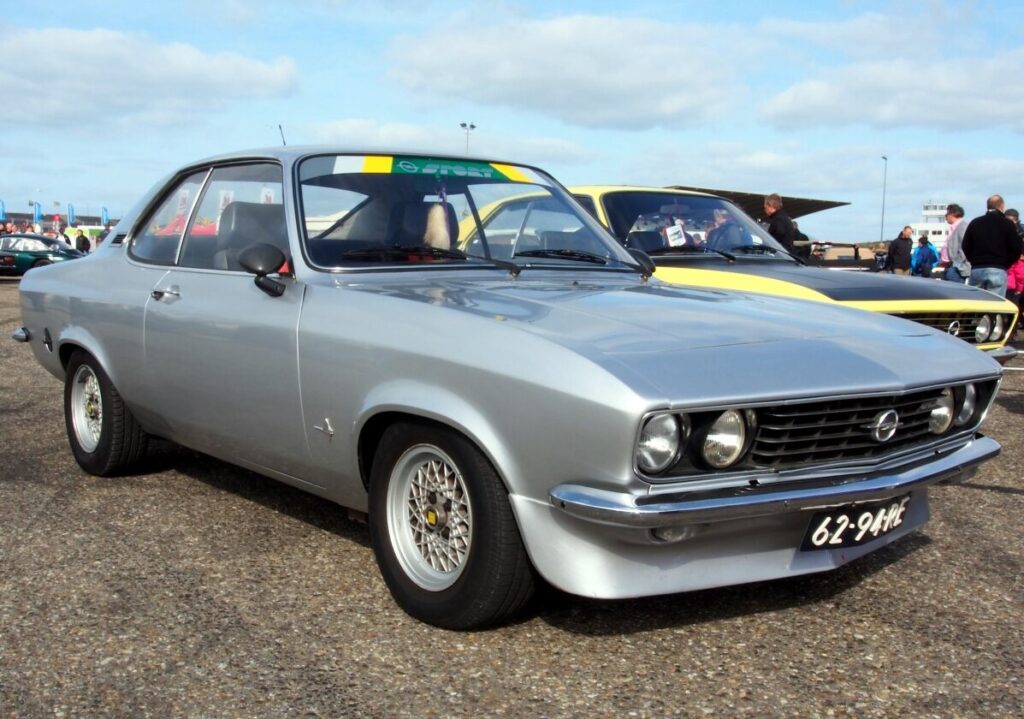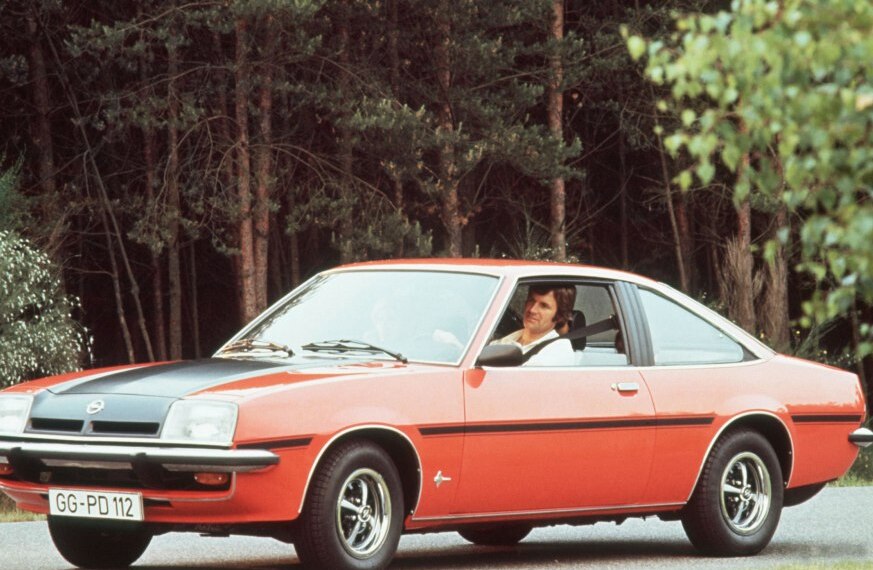
The Opel Manta B 2.4 400, produced between 1981 and 1982, represented the pinnacle of performance for the second-generation Manta. Positioned as the flagship variant of the B-series, it offered a significant power upgrade over the lower-spec models, appealing to drivers seeking a sporty and engaging driving experience. The Manta B, launched in 1977, was a substantial redesign of the original Manta A, built on a stretched version of the GM T-car platform, also underpinning models like the Ascona. The 2.4 400 was a late-production model, intended to solidify the Manta’s reputation as a capable and stylish coupe before its eventual replacement.
Technical Specifications
| Brand | Opel |
| Model | Manta |
| Generation | Manta B |
| Type (Engine) | 2.4 400 (144 Hp) |
| Start of production | 1981 |
| End of production | 1982 |
| Powertrain Architecture | Internal Combustion engine |
| Body type | Coupe |
| Seats | 4 |
| Doors | 2 |
| Fuel Type | Petrol (Gasoline) |
| Acceleration 0 – 100 km/h | 7.5 sec |
| Acceleration 0 – 62 mph | 7.5 sec |
| Acceleration 0 – 60 mph | 7.1 sec |
| Maximum speed | 210 km/h (130.49 mph) |
| Weight-to-power ratio | 7.6 kg/Hp, 131.5 Hp/tonne |
| Weight-to-torque ratio | 5.2 kg/Nm, 191.8 Nm/tonne |
| Power | 144 Hp @ 5200 rpm |
| Power per litre | 59.8 Hp/l |
| Torque | 210 Nm @ 3800 rpm (154.89 lb.-ft. @ 3800 rpm) |
| Engine displacement | 2410 cm3 (147.07 cu. in.) |
| Number of cylinders | 4 |
| Engine configuration | Inline |
| Cylinder Bore | 95 mm (3.74 in.) |
| Piston Stroke | 85 mm (3.35 in.) |
| Compression ratio | 9.7:1 |
| Number of valves per cylinder | 4 |
| Fuel injection system | Multi-port manifold injection |
| Engine aspiration | Naturally aspirated engine |
| Valvetrain | DOHC |
| Kerb Weight | 1095 kg (2414.06 lbs.) |
| Max. weight | 1420 kg (3130.56 lbs.) |
| Max load | 325 kg (716.5 lbs.) |
| Trunk (boot) space – maximum | 490 l (17.3 cu. ft.) |
| Fuel tank capacity | 50 l (13.21 US gal | 11 UK gal) |
| Length | 4475 mm (176.18 in.) |
| Width | 1670 mm (65.75 in.) |
| Height | 1320 mm (51.97 in.) |
| Wheelbase | 2518 mm (99.13 in.) |
| Front track | 1384 mm (54.49 in.) |
| Rear (Back) track | 1375 mm (54.13 in.) |
| Minimum turning circle | 10.8 m (35.43 ft.) |
| Drivetrain Architecture | Rear wheel drive |
| Drive wheel | Rear wheel drive |
| Number of gears and type of gearbox | 5 gears, manual transmission |
| Front suspension | Independent type McPherson |
| Rear suspension | Suspension De-Dion |
| Front brakes | Disc |
| Rear brakes | Disc |
| Tires size | 195/60 R14 |
| Wheel rims size | 14 |
Powertrain & Engine Architecture
The heart of the Manta B 2.4 400 was the CIH (Cylinderkopf-Integrierte Nockenwelle – camshaft integrated in the cylinder head) inline-four engine, specifically the 2410cc variant. This engine, designated as the 24V, featured a dual overhead camshaft (DOHC) valvetrain, a significant upgrade from the single overhead cam designs found in earlier Mantas. The engine utilized Bosch K-Jetronic multi-port fuel injection, providing precise fuel delivery for improved performance and efficiency. The 9.7:1 compression ratio contributed to the engine’s respectable 144 horsepower at 5200 rpm and 210 Nm (155 lb-ft) of torque at 3800 rpm. The engine was paired exclusively with a five-speed manual transmission, designed to handle the increased power output and provide a more engaging driving experience. This transmission featured a robust design, crucial for managing the rear-wheel-drive configuration.
Driving Characteristics
The 2.4 400 offered a noticeable performance improvement over the lower-displacement Manta B models. The 0-60 mph time of around 7.1 seconds was quick for its era, and the top speed of 210 km/h (130 mph) made it a genuinely fast coupe. The five-speed manual transmission allowed drivers to keep the engine in its optimal power band, providing strong acceleration in all gears. Compared to the 1.9-liter models, the 2.4 400 felt significantly more responsive, particularly at higher speeds. While not a corner carver in the modern sense, the Manta B 2.4 400 offered a balanced and enjoyable driving experience, with predictable handling and a satisfying engine note. The rear-wheel-drive layout contributed to a lively feel, but also required a degree of driver skill, especially in wet conditions.
Equipment & Trim Levels
The 2.4 400 was generally well-equipped for its time, though options were still available. Standard features typically included a sporty interior with bolstered seats, a leather-wrapped steering wheel, and a comprehensive instrument cluster. Exterior features included distinctive badging, often a rear spoiler, and alloy wheels. Optional extras could include a sunroof, upgraded audio systems, and metallic paint finishes. The interior trim was typically a combination of cloth and vinyl, with a focus on durability and a sporty aesthetic. The dashboard layout was functional and driver-focused, with easy-to-read gauges and well-placed controls.
Chassis & Braking
The Manta B utilized an independent McPherson strut suspension at the front and a De-Dion axle suspension at the rear. This setup provided a good balance between ride comfort and handling. The 2.4 400 benefited from upgraded brakes compared to the lower-spec models, featuring disc brakes on all four wheels. This provided improved stopping power, necessary to manage the increased performance. Stabilizer bars were fitted to both the front and rear axles, further enhancing handling stability. The steering was a recirculating ball system, offering a reasonable level of feel and precision.
Market Reception & Comparison
The Manta B 2.4 400 was generally well-received by automotive journalists and enthusiasts. It was praised for its strong performance, stylish design, and relatively affordable price. Compared to other coupes in its class, such as the Ford Capri and the BMW 3 Series, the Manta B 2.4 400 offered a compelling combination of performance and value. However, some critics noted the car’s somewhat dated interior and its tendency towards oversteer in challenging conditions. Fuel economy was also a concern, typical for a performance car of the era. Compared to the more economical 1.9-liter versions, the 2.4 400 was significantly thirstier, but the performance trade-off was considered worthwhile by many buyers.
Legacy
The Opel Manta B 2.4 400 remains a popular classic car today, particularly among enthusiasts who appreciate its retro styling and engaging driving experience. The CIH engine is known for its durability and relative simplicity, making it a relatively easy engine to maintain. However, parts availability can be a challenge, and rust is a common issue with these older vehicles. The Manta B 2.4 400 is often seen as the definitive version of the Manta B, representing the culmination of Opel’s efforts to create a sporty and stylish coupe. Its legacy continues to inspire car enthusiasts and collectors, ensuring its place in automotive history.