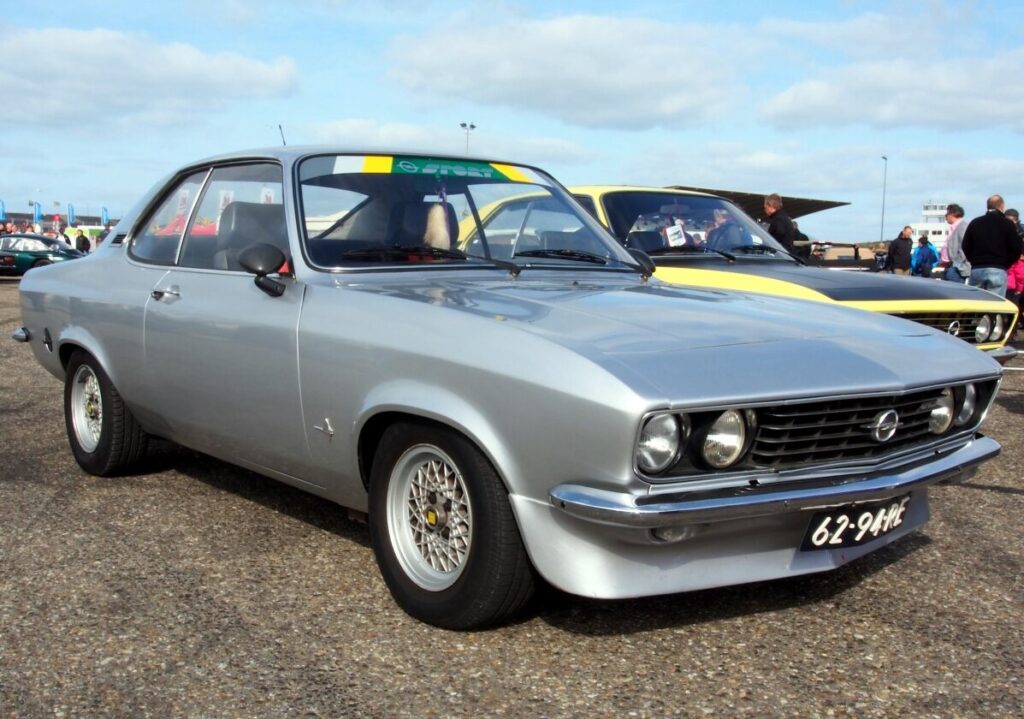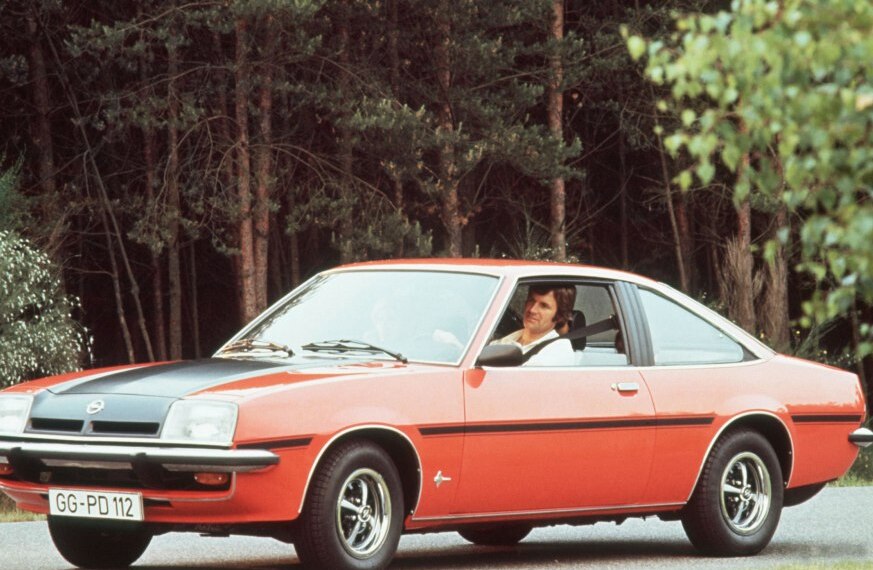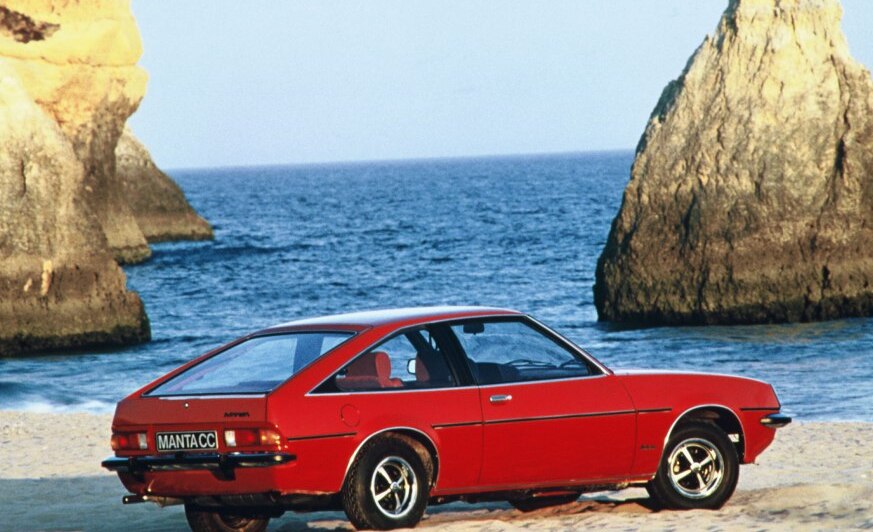
The Opel Manta B CC 1.2 N, produced between 1978 and 1983, represented the entry point into the second generation Manta lineup. Positioned as the most affordable variant, it aimed to provide accessible motoring within the popular coupe market, particularly in Europe. The “CC” designation signified the coupe body style, while the 1.2 N indicated the engine displacement and specification. This model played a significant role in maintaining the Manta’s appeal to a broader customer base, offering a balance between style and economy. It was built on the GM T-platform, shared with other models like the Ascona.
Technical Specifications
| Brand | Opel |
| Model | Manta |
| Generation | Manta B CC |
| Type (Engine) | 1.2 N (55 Hp) |
| Start of production | 1978 |
| End of production | 1983 |
| Powertrain Architecture | Internal Combustion engine |
| Body type | Hatchback |
| Seats | 4 |
| Doors | 3 |
| Fuel Type | Petrol (Gasoline) |
| Acceleration 0 – 100 km/h | 20.5 sec |
| Acceleration 0 – 62 mph | 20.5 sec |
| Acceleration 0 – 60 mph | 19.5 sec |
| Maximum speed | 143 km/h (88.86 mph) |
| Weight-to-power ratio | 16.9 kg/Hp, 59.1 Hp/tonne |
| Weight-to-torque ratio | 11.1 kg/Nm, 90.3 Nm/tonne |
| Power | 55 Hp @ 5400 rpm |
| Power per litre | 46 Hp/l |
| Torque | 84 Nm @ 3400 rpm (61.96 lb.-ft. @ 3400 rpm) |
| Engine layout | Front, Longitudinal |
| Engine displacement | 1196 cm3 (72.98 cu. in.) |
| Number of cylinders | 4 |
| Engine configuration | Inline |
| Cylinder Bore | 79 mm (3.11 in.) |
| Piston Stroke | 61 mm (2.4 in.) |
| Compression ratio | 7.8:1 |
| Number of valves per cylinder | 2 |
| Fuel injection system | Carburettor |
| Engine aspiration | Naturally aspirated engine |
| Valvetrain | OHV |
| Kerb Weight | 930 kg (2050.3 lbs.) |
| Max. weight | 1370 kg (3020.33 lbs.) |
| Max load | 440 kg (970.03 lbs.) |
| Trunk (boot) space – minimum | 330 l (11.65 cu. ft.) |
| Trunk (boot) space – maximum | 670 l (23.66 cu. ft.) |
| Fuel tank capacity | 50 l (13.21 US gal | 11 UK gal) |
| Permitted trailer load with brakes (12%) | 1000 kg (2204.62 lbs.) |
| Permitted trailer load without brakes | 485 kg (1069.24 lbs.) |
| Length | 4376 mm (172.28 in.) |
| Width | 1670 mm (65.75 in.) |
| Height | 1340 mm (52.76 in.) |
| Wheelbase | 2518 mm (99.13 in.) |
| Front track | 1375 mm (54.13 in.) |
| Rear (Back) track | 1375 mm (54.13 in.) |
| Minimum turning circle (turning diameter) | 10.1 m (33.14 ft.) |
| Drivetrain Architecture | The Internal combustion engine (ICE) drives the rear wheels of the vehicle. |
| Drive wheel | Rear wheel drive |
| Number of gears and type of gearbox | 4 gears, manual transmission |
| Front brakes | Disc |
| Rear brakes | Drum |
Powertrain & Engine Architecture
The heart of the Manta B CC 1.2 N was the 1196cc inline-four cylinder engine, designated as the 12N. This engine utilized a single overhead valve (OHV) valvetrain and a two-barrel carburetor for fuel delivery. The engine’s relatively low compression ratio of 7.8:1 was a deliberate choice to accommodate the lower octane fuels commonly available at the time. The engine was mounted longitudinally in the front of the vehicle, driving the rear wheels. The four-speed manual transmission was the only gearbox option offered with this engine, prioritizing simplicity and cost-effectiveness. The engine’s design was relatively simple and robust, reflecting Opel’s focus on reliability for this entry-level model.
Driving Characteristics
With only 55 horsepower on tap, the Manta B CC 1.2 N offered modest performance. Acceleration was leisurely, taking over 20 seconds to reach 60 mph. The engine needed to be revved to extract its maximum potential, and the four-speed gearbox, while adequate, didn’t offer particularly close ratios. Compared to the more powerful Manta variants, such as those equipped with the 1.9-liter or 2.0-liter engines, the 1.2 N felt significantly slower. However, the lighter weight of the 1.2 N model did contribute to slightly better handling and fuel economy. The rear-wheel-drive configuration provided a reasonably engaging driving experience, but the limited power meant it wasn’t a particularly sporty car.
Equipment & Trim Levels
The 1.2 N Manta B CC was intentionally kept basic in terms of equipment. Standard features typically included cloth upholstery, vinyl floor covering, and basic instrumentation. Power steering and central locking were not usually included, keeping the price point low. Optional extras, such as a sunroof, upgraded stereo, and alloy wheels, were available, but these added significantly to the cost. The interior design was functional rather than luxurious, reflecting the car’s budget-oriented positioning. The dashboard layout was straightforward, with clearly marked gauges for speed, fuel level, and engine temperature.
Chassis & Braking
The Manta B CC utilized a relatively simple chassis design. It featured independent front suspension with MacPherson struts and a live axle rear suspension with trailing arms. The braking system consisted of disc brakes on the front wheels and drum brakes on the rear. The suspension setup was tuned for comfort rather than outright handling performance. The 1.2 N model typically had a smaller diameter stabilizer bar compared to higher-spec Mantas, contributing to a slightly softer ride. The relatively light weight of the 1.2 N helped to mitigate the limitations of the drum brakes on the rear axle.
Market Reception & Comparison
The Manta B CC 1.2 N was generally well-received as an affordable and stylish coupe. Critics acknowledged its limitations in terms of performance, but praised its fuel economy and practicality. Compared to other coupes in its price range, the Manta offered a distinctive design and a relatively spacious interior. However, it faced competition from rivals like the Ford Taunus Coupe and the Vauxhall Firenza, which offered similar levels of performance and equipment. The 1.2 N was often seen as a sensible choice for first-time car buyers or those seeking a reliable and economical mode of transport.
Legacy
The Opel Manta B CC 1.2 N, while not the most powerful or desirable variant of the Manta B, holds a significant place in automotive history. Its simple and robust powertrain proved to be relatively reliable, and many examples are still on the road today. The 1.2 N is often sought after by enthusiasts looking for a classic coupe that is relatively affordable to maintain and restore. The car’s enduring appeal lies in its distinctive styling and its representation of a bygone era of automotive design. In the used car market, the 1.2 N typically commands lower prices than the more powerful Manta variants, making it an accessible entry point into classic car ownership.