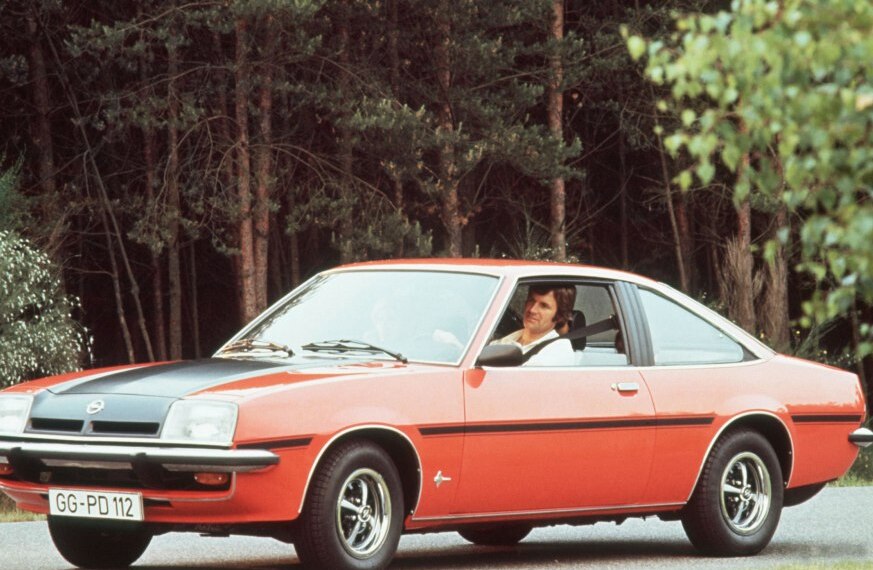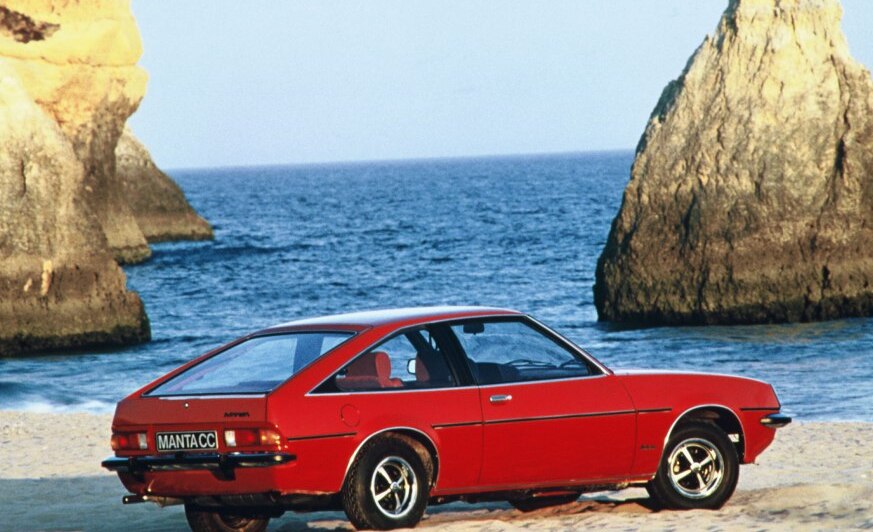
The Opel Manta B CC 1.3 N, produced between 1979 and 1980, represented the entry point into the second generation (Manta B) of Opel’s iconic coupe. Positioned as the most affordable variant within the B series, it catered to buyers seeking a stylish and relatively economical personal vehicle. The Manta B, overall, was a significant update to the original Manta, benefiting from the advancements of the GM T-platform, also underpinning models like the Ascona. This 1.3 N model, while not known for blistering performance, offered a blend of practicality and the Manta’s distinctive design, making it a popular choice in European markets.
Technical Specifications
| Brand | Opel |
| Model | Manta |
| Generation | Manta B CC |
| Type (Engine) | 1.3 N (60 Hp) |
| Start of production | 1979 |
| End of production | 1980 |
| Powertrain Architecture | Internal Combustion engine |
| Body type | Hatchback |
| Seats | 4 |
| Doors | 3 |
| Fuel Type | Petrol (Gasoline) |
| Acceleration 0 – 100 km/h | 18 sec |
| Acceleration 0 – 62 mph | 18 sec |
| Acceleration 0 – 60 mph | 17.1 sec |
| Maximum speed | 150 km/h (93.21 mph) |
| Weight-to-power ratio | 15.5 kg/Hp, 64.5 Hp/tonne |
| Weight-to-torque ratio | 9.7 kg/Nm, 103.2 Nm/tonne |
| Power | 60 Hp @ 5800 rpm |
| Power per litre | 46.3 Hp/l |
| Torque | 96 Nm @ 3800 rpm (70.81 lb.-ft. @ 3800 rpm) |
| Engine layout | Front, Longitudinal |
| Engine displacement | 1297 cm3 (79.15 cu. in.) |
| Number of cylinders | 4 |
| Engine configuration | Inline |
| Cylinder Bore | 75 mm (2.95 in.) |
| Piston Stroke | 73.4 mm (2.89 in.) |
| Compression ratio | 8.2:1 |
| Number of valves per cylinder | 2 |
| Fuel injection system | Carburettor |
| Engine aspiration | Naturally aspirated engine |
| Valvetrain | SOHC |
| Kerb Weight | 930 kg (2050.3 lbs.) |
| Max. weight | 1370 kg (3020.33 lbs.) |
| Max load | 440 kg (970.03 lbs.) |
| Trunk (boot) space – minimum | 330 l (11.65 cu. ft.) |
| Trunk (boot) space – maximum | 670 l (23.66 cu. ft.) |
| Fuel tank capacity | 50 l (13.21 US gal | 11 UK gal) |
| Length | 4376 mm (172.28 in.) |
| Width | 1670 mm (65.75 in.) |
| Height | 1340 mm (52.76 in.) |
| Wheelbase | 2518 mm (99.13 in.) |
| Front track | 1380 mm (54.33 in.) |
| Rear (Back) track | 1375 mm (54.13 in.) |
| Minimum turning circle | 10.1 m (33.14 ft.) |
| Drivetrain Architecture | The Internal combustion engine (ICE) drives the rear wheels of the vehicle. |
| Drive wheel | Rear wheel drive |
| Number of gears and type of gearbox | 4 gears, manual transmission |
| Front brakes | Disc |
| Rear brakes | Drum |
Powertrain & Engine Architecture
The heart of the Manta B CC 1.3 N was the 1297cc inline-four cylinder engine, designated as the 13N or 13S depending on minor variations. This engine, a relatively simple design, featured a single overhead camshaft (SOHC) operating two valves per cylinder. Fuel delivery was handled by a single carburetor, a common setup for entry-level European cars of the era. The engine produced 60 horsepower at 5800 rpm and 96 Nm (70.81 lb-ft) of torque at 3800 rpm. The engine was mounted longitudinally in the front of the vehicle, driving the rear wheels. The transmission was a four-speed manual gearbox, chosen for its cost-effectiveness and simplicity. This powertrain configuration was a deliberate choice to keep the base model Manta affordable.
Driving Characteristics
The 1.3 N Manta B offered modest performance. Acceleration to 60 mph took around 17.1 seconds, and top speed was approximately 93 mph. Compared to the more powerful Manta variants, such as those equipped with the 1.9-liter engine or the later 2.0-liter models, the 1.3 N felt noticeably slower. The four-speed gearbox, while adequate, lacked the versatility of a five-speed transmission, requiring more frequent shifting to maintain optimal engine speed. However, the rear-wheel-drive layout provided a degree of driving engagement that was characteristic of the Manta. The relatively light weight of the 1.3 N (around 2050 lbs) helped to mitigate the lack of outright power, making it feel reasonably nimble in everyday driving situations.
Equipment & Trim Levels
As the base model, the Manta B CC 1.3 N was equipped with fairly basic amenities. Standard features typically included cloth upholstery, vinyl flooring, and a simple dashboard layout. Power steering and electric windows were not usually included as standard equipment, but were available as optional extras. The exterior trim was also relatively understated, with black plastic bumpers and steel wheels with hubcaps. The focus was on providing a functional and affordable vehicle, with buyers able to add optional extras to personalize their Manta.
Chassis & Braking
The Manta B CC utilized a relatively conventional chassis design. It featured independent front suspension with MacPherson struts and a live rear axle with trailing arms. The 1.3 N model typically came equipped with disc brakes on the front wheels and drum brakes on the rear. The suspension setup was tuned for comfort rather than outright handling performance, providing a reasonably smooth ride on typical road surfaces. Stabilizer bars were often omitted on the base model to further reduce costs.
Market Reception & Comparison
The Manta B CC 1.3 N was generally well-received as an affordable and stylish coupe. Critics acknowledged its attractive design and reasonable fuel economy, but often noted its lack of performance compared to higher-spec models. Compared to the 1.6-liter and 1.9-liter Manta variants, the 1.3 N offered significantly less power and acceleration. However, it was also more fuel-efficient and less expensive to purchase and maintain. The 1.3 N appealed to buyers who prioritized style and economy over outright performance, such as younger drivers or those seeking a second car.
Legacy
The Opel Manta B CC 1.3 N, while not the most powerful or sought-after variant of the Manta B, holds a place in automotive history as a representative of affordable European motoring in the late 1970s and early 1980s. The 13N engine, while simple, proved to be relatively reliable, and many examples are still on the road today. In the used car market, the 1.3 N Manta B is often the most affordable entry point into Manta ownership, making it a popular choice for enthusiasts and those seeking a classic car project. Its simplicity and relatively low maintenance costs contribute to its enduring appeal.