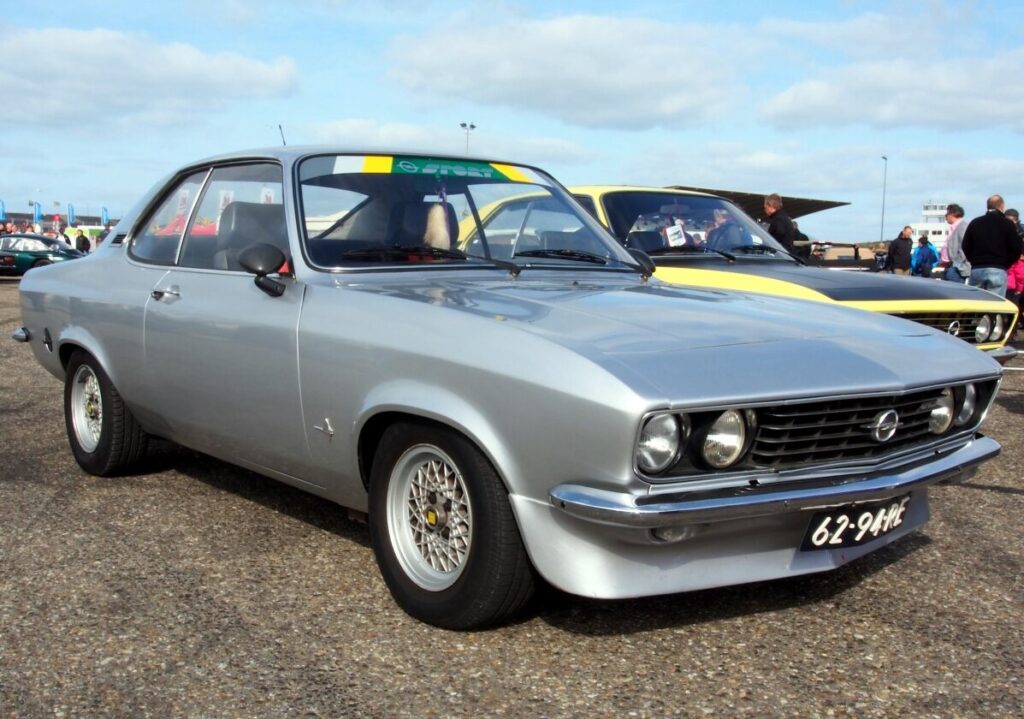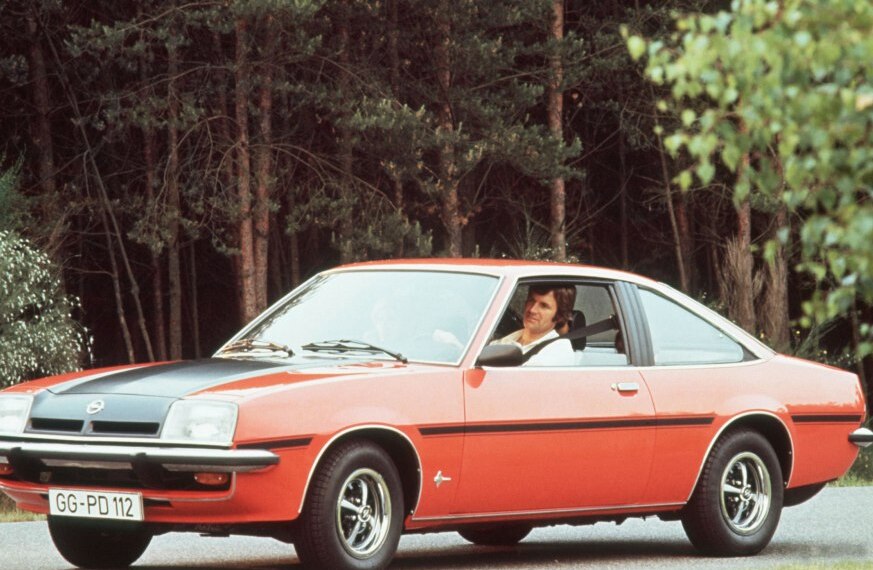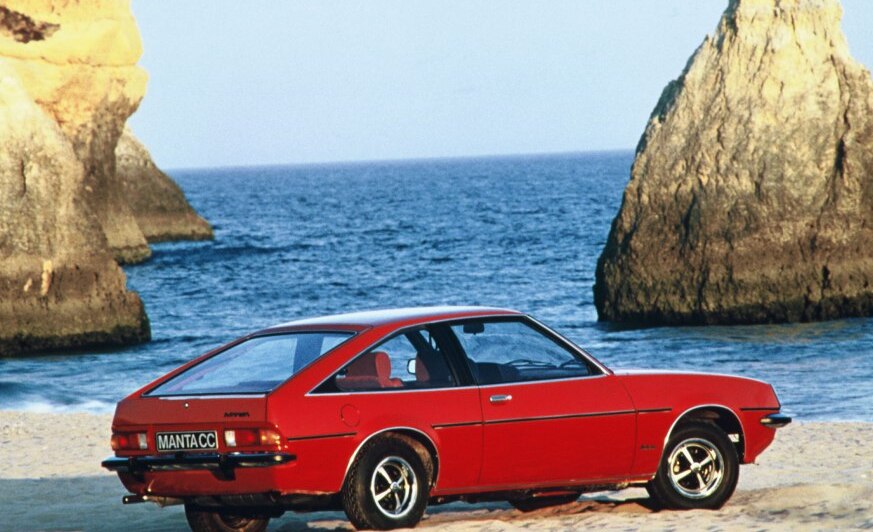
The Opel Manta B CC 1.9 N, produced between 1978 and 1981, represented an entry-level offering within the broader Manta B range. Positioned as a more affordable variant, it catered to buyers seeking the Manta’s distinctive styling and rear-wheel-drive experience without the higher price tag of the more powerful models like the GT/E. The “CC” designation signified the *Coupé Classic* body style, a hatchback configuration that distinguished it from earlier Manta iterations. This model played a significant role in maintaining the Manta’s popularity in Europe, offering a balance of practicality and sporty appeal. It was a key part of the 1HX0 generation, which saw updates to the original Manta design.
Technical Specifications
| Brand | Opel |
| Model | Manta |
| Generation | Manta B CC |
| Type (Engine) | 1.9 N (75 Hp) |
| Start of production | 1978 |
| End of production | 1981 |
| Powertrain Architecture | Internal Combustion engine |
| Body type | Hatchback |
| Seats | 4 |
| Doors | 3 |
| Fuel Type | Petrol (Gasoline) |
| Acceleration 0 – 100 km/h | 14 sec |
| Acceleration 0 – 62 mph | 14 sec |
| Acceleration 0 – 60 mph | 13.3 sec |
| Maximum speed | 162 km/h (100.66 mph) |
| Weight-to-power ratio | 13.7 kg/Hp, 72.8 Hp/tonne |
| Weight-to-torque ratio | 7.8 kg/Nm, 128.2 Nm/tonne |
| Power | 75 Hp @ 4800 rpm |
| Power per litre | 39.5 Hp/l |
| Torque | 132 Nm @ 2200-3400 rpm (97.36 lb.-ft. @ 2200-3400 rpm) |
| Engine layout | Front, Longitudinal |
| Engine Model/Code | 19N |
| Engine displacement | 1897 cm3 (115.76 cu. in.) |
| Number of cylinders | 4 |
| Engine configuration | Inline |
| Cylinder Bore | 93 mm (3.66 in.) |
| Piston Stroke | 69.8 mm (2.75 in.) |
| Compression ratio | 7.9:1 |
| Number of valves per cylinder | 2 |
| Fuel injection system | Carburettor |
| Engine aspiration | Naturally aspirated engine |
| Valvetrain | SOHC |
| Engine oil capacity | 3.8 l (4.02 US qt | 3.34 UK qt) |
| Coolant | 5.9 l (6.23 US qt | 5.19 UK qt) |
| Kerb Weight | 1030 kg (2270.76 lbs.) |
| Max. weight | 1470 kg (3240.8 lbs.) |
| Max load | 440 kg (970.03 lbs.) |
| Trunk (boot) space – minimum | 330 l (11.65 cu. ft.) |
| Trunk (boot) space – maximum | 670 l (23.66 cu. ft.) |
| Fuel tank capacity | 50 l (13.21 US gal | 11 UK gal) |
| Permitted trailer load with brakes (12%) | 1300 kg (2866.01 lbs.) |
| Permitted trailer load without brakes | 500 kg (1102.31 lbs.) |
| Length | 4376 mm (172.28 in.) |
| Width | 1670 mm (65.75 in.) |
| Height | 1340 mm (52.76 in.) |
| Wheelbase | 2518 mm (99.13 in.) |
| Front track | 1380 mm (54.33 in.) |
| Rear (Back) track | 1375 mm (54.13 in.) |
| Minimum turning circle | 10.1 m (33.14 ft.) |
Powertrain & Engine Architecture
The heart of the Manta B CC 1.9 N was the Opel 19N engine, a 1.9-liter inline-four cylinder unit. This engine utilized a single overhead camshaft (SOHC) valvetrain and was fed by a carburetor, a common setup for the era. The 19N engine was known for its relative simplicity and durability, though it lacked the sophistication of fuel injection found in higher-spec Manta models. The engine produced 75 horsepower at 4800 rpm and 97.36 lb-ft of torque between 2200 and 3400 rpm. Power was delivered to the rear wheels through a four-speed manual transmission, which was standard equipment. The longitudinal engine layout was a characteristic of rear-wheel-drive Opel models of the time.
Driving Characteristics
The 1.9 N-equipped Manta offered a distinctly different driving experience compared to its more powerful siblings. Acceleration was modest, taking around 14 seconds to reach 62 mph. The carburetor and lower compression ratio prioritized fuel economy and smooth, predictable power delivery over outright performance. The four-speed manual transmission provided adequate control, but the gear ratios were spaced to favor fuel efficiency rather than spirited driving. Compared to the Manta GT/E with its fuel injection and five-speed gearbox, the 1.9 N felt noticeably slower and less responsive. However, the rear-wheel-drive layout still provided a degree of handling balance that was enjoyable for enthusiasts.
Equipment & Trim Levels
The 1.9 N trim level was considered the base model for the Manta B CC. Standard features typically included cloth upholstery, basic instrumentation, and steel wheels. The interior was functional and straightforward, prioritizing practicality over luxury. Optional extras included upgraded upholstery, a sunroof, and a more sophisticated radio. The exterior styling was consistent with other Manta B models, featuring the distinctive wedge shape and prominent front grille. The 1.9 N was often seen as a blank canvas for owners who wished to personalize their vehicles with aftermarket accessories.
Chassis & Braking
The Manta B CC utilized a relatively simple chassis design. The front suspension consisted of MacPherson struts, while the rear suspension employed a solid axle with leaf springs. This setup provided a comfortable ride, but it wasn’t particularly sophisticated in terms of handling. Braking was also fairly basic, with disc brakes at the front and drum brakes at the rear. Stabilizer bars were typically omitted on the base 1.9 N model, further contributing to its softer handling characteristics. The curb weight of around 2270 lbs helped to mitigate the effects of the less powerful engine and basic suspension.
Market Reception & Comparison
The Manta B CC 1.9 N was generally well-received as an affordable and stylish coupe. Critics acknowledged its practicality and fuel efficiency, but often noted its lack of performance compared to higher-spec models. Compared to the 1.9 SR, which featured a slightly higher compression ratio and more power, the 1.9 N offered a more economical option. Against competitors like the Ford Capri and Volkswagen Scirocco, the Manta B CC 1.9 N offered a unique blend of style, practicality, and rear-wheel-drive dynamics. Fuel economy was a strong point, making it an attractive option for budget-conscious buyers.
Legacy
The Opel Manta B CC 1.9 N, while not the most powerful or technologically advanced version of the Manta, remains a popular classic car today. The 19N engine is known for its reliability, and parts availability is generally good. However, like all classic cars, it requires regular maintenance to keep it in good running order. The Manta’s distinctive styling and rear-wheel-drive layout have earned it a dedicated following among enthusiasts. In the used car market, the 1.9 N typically commands lower prices than the GT/E or other higher-spec models, making it an accessible entry point into Manta ownership. Its simplicity and affordability continue to appeal to those seeking a classic coupe with a unique character.