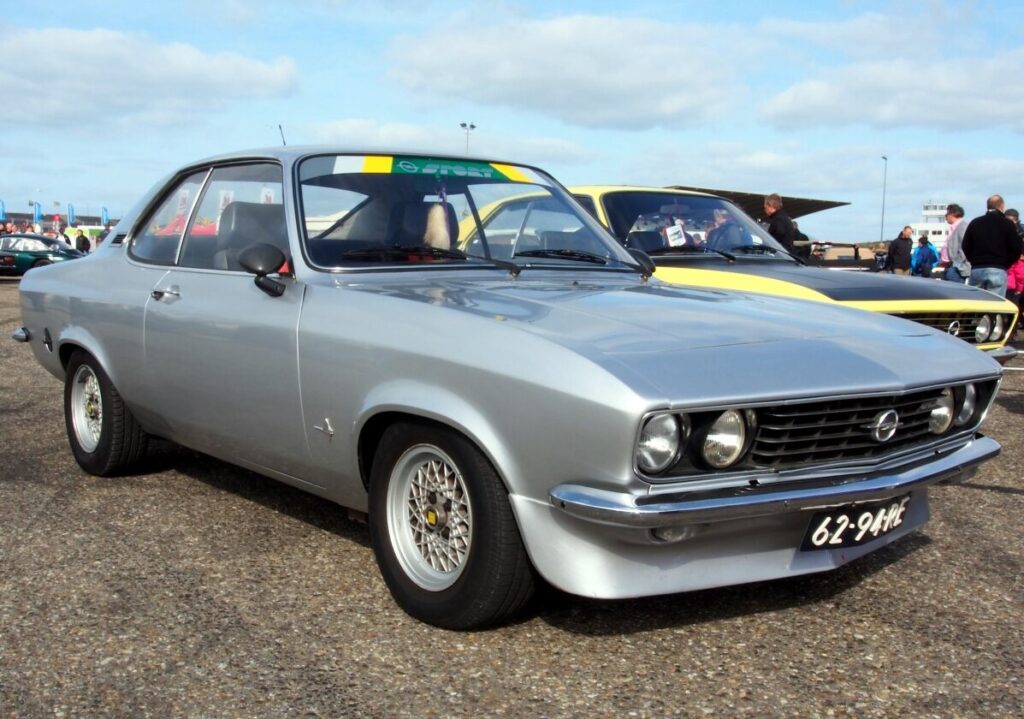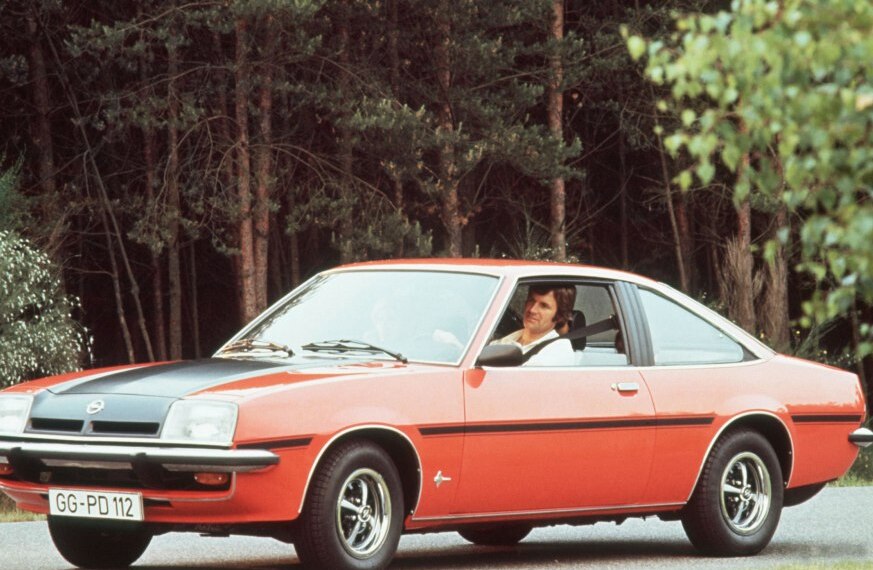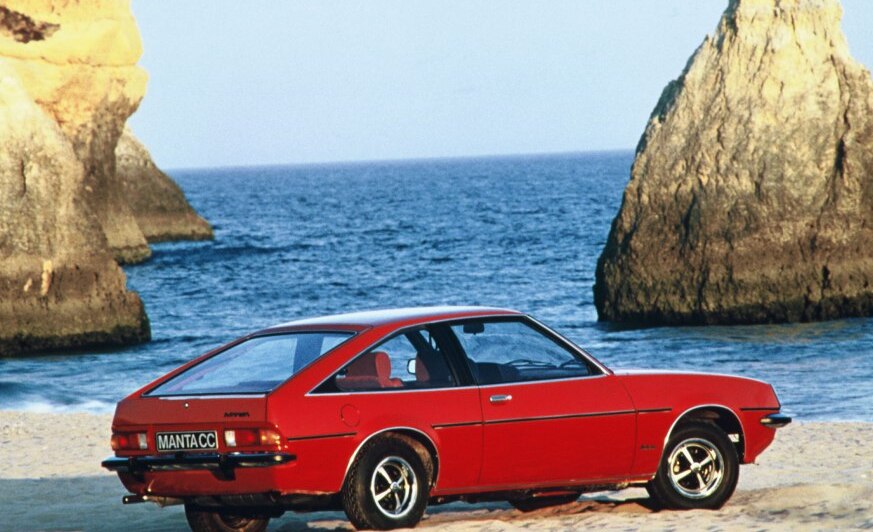
The Opel Manta B CC 2.0, producing 90 horsepower, was a variant of the Manta B model produced between 1977 and 1980. Positioned as an entry-level offering within the Manta B range, it provided a more affordable route into the stylish coupe, appealing to buyers prioritizing economy and practicality over outright performance. The Manta B, overall, represented Opel’s attempt to create a sporty, yet accessible, personal coupe for the European market, competing with vehicles like the Ford Capri and Volkswagen Scirocco. This particular 2.0-liter version, while not the most powerful in the lineup, offered a balance of usability and the Manta’s distinctive design.
Technical Specifications
| Brand | Opel |
| Model | Manta |
| Generation | Manta B CC |
| Type (Engine) | 2.0 (90 Hp) |
| Start of production | 1977 |
| End of production | 1980 |
| Powertrain Architecture | Internal Combustion engine |
| Body type | Hatchback |
| Seats | 4 |
| Doors | 3 |
| Fuel Type | Petrol (Gasoline) |
| Acceleration 0 – 100 km/h | 12 sec |
| Acceleration 0 – 62 mph | 12 sec |
| Acceleration 0 – 60 mph | 11.4 sec |
| Maximum speed | 172 km/h (106.88 mph) |
| Weight-to-power ratio | 11.4 kg/Hp, 87.4 Hp/tonne |
| Weight-to-torque ratio | 7.3 kg/Nm, 137.9 Nm/tonne |
| Power | 90 Hp @ 5200 rpm |
| Power per litre | 45.5 Hp/l |
| Torque | 142 Nm @ 3800 rpm (104.73 lb.-ft. @ 3800 rpm) |
| Engine layout | Front, Longitudinal |
| Engine displacement | 1979 cm3 (120.77 cu. in.) |
| Number of cylinders | 4 |
| Engine configuration | Inline |
| Cylinder Bore | 95 mm (3.74 in.) |
| Piston Stroke | 69.8 mm (2.75 in.) |
| Compression ratio | 8:1 |
| Number of valves per cylinder | 2 |
| Fuel injection system | Carburettor |
| Engine aspiration | Naturally aspirated engine |
| Valvetrain | SOHC |
| Kerb Weight | 1030 kg (2270.76 lbs.) |
| Max. weight | 1470 kg (3240.8 lbs.) |
| Max load | 440 kg (970.03 lbs.) |
| Trunk (boot) space – minimum | 330 l (11.65 cu. ft.) |
| Trunk (boot) space – maximum | 670 l (23.66 cu. ft.) |
| Fuel tank capacity | 50 l (13.21 US gal | 11 UK gal) |
| Length | 4376 mm (172.28 in.) |
| Width | 1670 mm (65.75 in.) |
| Height | 1340 mm (52.76 in.) |
| Wheelbase | 2518 mm (99.13 in.) |
| Front track | 1380 mm (54.33 in.) |
| Rear (Back) track | 1375 mm (54.13 in.) |
| Minimum turning circle | 10.1 m (33.14 ft.) |
| Drivetrain Architecture | The Internal combustion engine (ICE) drives the rear wheels of the vehicle. |
| Drive wheel | Rear wheel drive |
| Number of gears and type of gearbox | 4 gears, manual transmission |
| Front brakes | Disc |
| Rear brakes | Drum |
Powertrain & Engine Architecture
The heart of the Manta B CC 2.0 (90 Hp) was the CIH (Cylinder Head Integrated) engine, specifically the 2.0-liter inline-four cylinder unit. While the CIH engine family was known for its robustness, this particular iteration utilized a single overhead camshaft (SOHC) valvetrain and a two-barrel carburetor for fuel delivery. The engine code varied depending on the market, but commonly included designations like 18E. The 8:1 compression ratio was a compromise between performance and the fuel quality available at the time. The engine’s longitudinal front-engine, rear-wheel-drive layout was a traditional configuration for European sports coupes of the era. The four-speed manual transmission was the standard offering, designed for durability rather than sporty gear changes. The transmission’s ratios were geared towards providing reasonable acceleration and fuel economy, rather than maximizing top-end speed.
Driving Characteristics
The 90 hp output of this Manta B variant translated to a 0-60 mph time of around 11.4 seconds, and a top speed of approximately 107 mph. Compared to the more potent Manta B models equipped with the larger 2.0-liter engines or the inline-six, the 90 hp version felt noticeably less energetic. However, it offered a more relaxed driving experience, particularly on the highway. The carburetor’s response wasn’t as immediate as fuel injection systems, requiring a bit more anticipation when accelerating. The rear-wheel-drive configuration provided a balanced feel, but the relatively narrow tires and basic suspension setup meant that handling was adequate rather than exceptional. The four-speed manual transmission, while durable, had relatively wide gear spacing, requiring drivers to carefully manage engine speed to maintain optimal performance.
Equipment & Trim Levels
The Manta B CC 2.0 (90 Hp) typically came with a fairly basic level of equipment. Standard features included cloth upholstery, a simple dashboard layout with analog gauges, and basic exterior trim. Power steering and air conditioning were generally optional extras. Interior color schemes were typically subdued, with options for dark blues, browns, and greys. The exterior was usually finished in solid paint colors, with metallic paints available at an additional cost. The “CC” designation indicated a coupe body style. Optional extras could include upgraded audio systems, tinted glass, and alloy wheels, allowing buyers to personalize their vehicles to some extent.
Chassis & Braking
The Manta B utilized a relatively simple chassis design. It featured a MacPherson strut front suspension and a rigid axle rear suspension with leaf springs. The suspension was tuned for comfort rather than outright handling prowess. Braking was accomplished via disc brakes on the front wheels and drum brakes on the rear. The braking system was adequate for the car’s weight and performance, but lacked the stopping power of more modern systems. Stabilizer bars were often optional, and their presence significantly improved handling characteristics. The car’s curb weight of around 2270 lbs contributed to its relatively nimble feel, despite the basic suspension setup.
Market Reception & Comparison
The Manta B CC 2.0 (90 Hp) was generally well-received as an affordable and stylish coupe. Critics acknowledged its attractive design and reasonable fuel economy. However, it was often criticized for its lack of outright performance compared to other models in the Manta B range, such as the 2.0E or the GTE. The 1.9-liter diesel version offered better fuel economy, but at the expense of performance. The 90 hp version appealed to buyers who prioritized practicality and affordability over sporty driving dynamics. Its relatively simple mechanicals also made it easier and cheaper to maintain compared to the more complex, higher-performance variants.
Legacy
The Opel Manta B, including the 2.0 (90 Hp) variant, has gained a cult following among classic car enthusiasts. The CIH engine is known for its durability and relative simplicity, making it a relatively easy engine to maintain and repair. However, age and corrosion can be issues with older examples. Parts availability can be challenging, but a dedicated network of suppliers and enthusiasts helps to keep these cars on the road. Today, the Manta B CC 2.0 (90 Hp) represents an affordable entry point into the world of classic Opel coupes, offering a stylish and enjoyable driving experience for those willing to embrace its vintage charm. Well-maintained examples are increasingly sought after by collectors and enthusiasts alike.