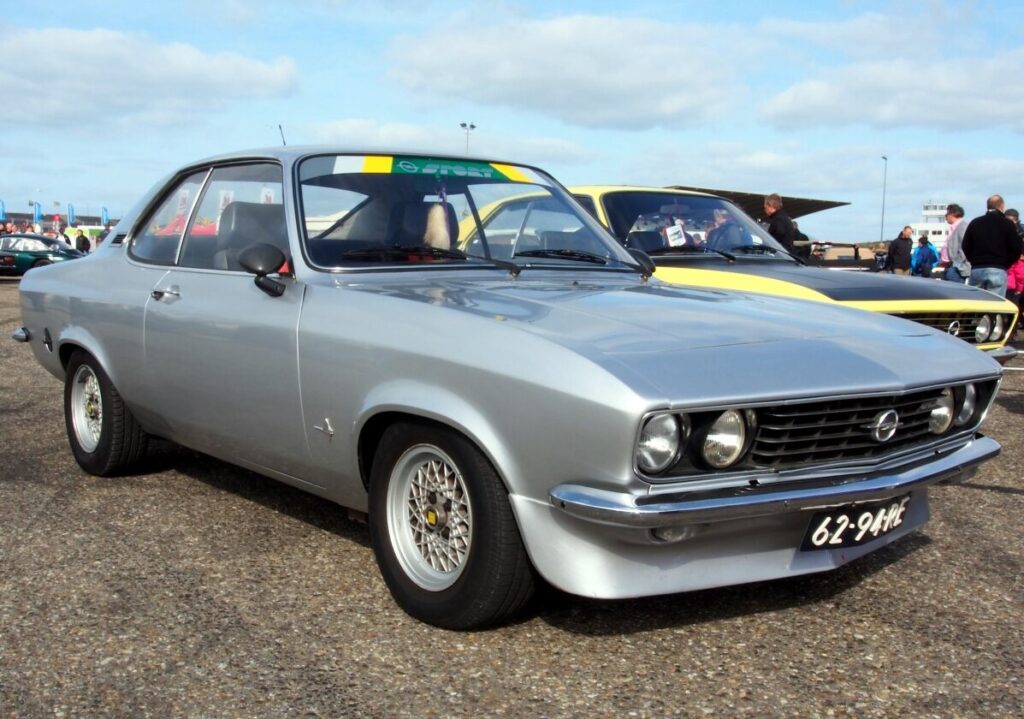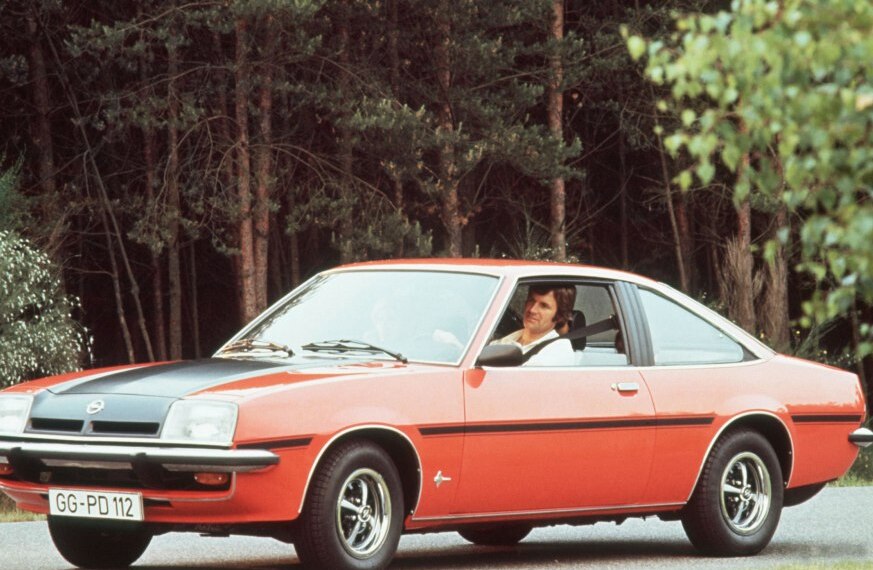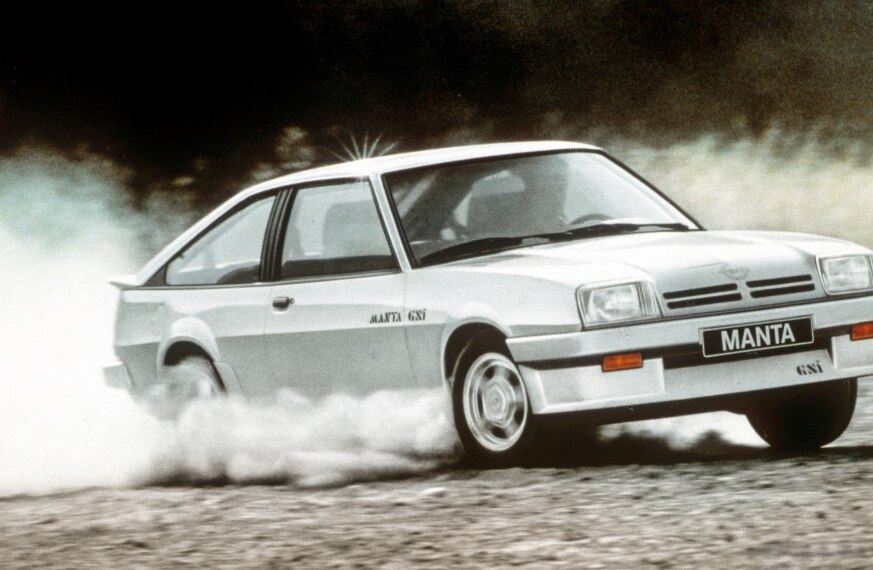
The Opel Manta B CC 1.8 S, produced from 1982 to 1988, represented a key iteration of Opel’s iconic Manta coupe. This facelifted version, often simply referred to as the Manta B, aimed to modernize the aging design while retaining the car’s sporty character. The 1.8 S variant, equipped with a 90 horsepower engine and typically paired with a four-speed automatic transmission (though a five-speed manual was also available), occupied a middle ground in the Manta B lineup, offering a balance between performance and affordability. It served as a more accessible alternative to the higher-performance GSi models, while providing more power than the base-level trims.
Technical Specifications
| Brand | Opel |
| Model | Manta |
| Generation | Manta B CC (facelift 1982) |
| Type (Engine) | 1.8 S (90 Hp) |
| Start of production | 1982 |
| End of production | 1988 |
| Powertrain Architecture | Internal Combustion engine |
| Body type | Hatchback |
| Seats | 4 |
| Doors | 3 |
| Fuel Type | Petrol (Gasoline) |
| Acceleration 0 – 100 km/h | 11.5 sec |
| Acceleration 0 – 62 mph | 11.5 sec |
| Acceleration 0 – 60 mph | 10.9 sec |
| Maximum speed | 175 km/h (108.74 mph) |
| Weight-to-power ratio | 11.4 kg/Hp, 87.8 Hp/tonne |
| Weight-to-torque ratio | 7.2 kg/Nm, 139.5 Nm/tonne |
| Power | 90 Hp @ 5400 rpm |
| Power per litre | 50.1 Hp/l |
| Torque | 143 Nm @ 3000-3400 rpm (105.47 lb.-ft. @ 3000-3400 rpm) |
| Engine layout | Front, Longitudinal |
| Engine Model/Code | 18S |
| Engine displacement | 1796 cm3 (109.6 cu. in.) |
| Number of cylinders | 4 |
| Engine configuration | Inline |
| Cylinder Bore | 84.8 mm (3.34 in.) |
| Piston Stroke | 79.5 mm (3.13 in.) |
| Compression ratio | 9.2:1 |
| Number of valves per cylinder | 2 |
| Fuel injection system | Carburettor |
| Engine aspiration | Naturally aspirated engine |
| Valvetrain | SOHC |
| Engine oil capacity | 3.75 l (3.96 US qt | 3.3 UK qt) |
| Coolant | 6.8 l (7.19 US qt | 5.98 UK qt) |
| Kerb Weight | 1025 kg (2259.74 lbs.) |
| Max. weight | 1465 kg (3229.77 lbs.) |
| Max load | 440 kg (970.03 lbs.) |
| Trunk (boot) space – minimum | 330 l (11.65 cu. ft.) |
| Trunk (boot) space – maximum | 670 l (23.66 cu. ft.) |
| Fuel tank capacity | 50 l (13.21 US gal | 11 UK gal) |
| Permitted trailer load with brakes (12%) | 1200 kg (2645.55 lbs.) |
| Length | 4384 mm (172.6 in.) |
| Width | 1686 mm (66.38 in.) |
| Height | 1340 mm (52.76 in.) |
| Wheelbase | 2518 mm (99.13 in.) |
| Front track | 1380 mm (54.33 in.) |
| Rear (Back) track | 1375 mm (54.13 in.) |
| Minimum turning circle | 10.1 m (33.14 ft.) |
| Drivetrain Architecture | Rear wheel drive |
| Number of gears and type of gearbox | 5 gears, manual transmission |
| Front brakes | Disc |
| Rear brakes | Drum |
| Tires size | 185/70 R13 |
| Wheel rims size | 13 |
INTRODUCTION
The Opel Manta B CC 1.8 S, produced between 1982 and 1988, was a significant update to the Manta line. The “CC” designation stood for “Coupe Classic,” signifying the continued focus on the Manta’s traditional coupe styling. This facelift brought revised front and rear styling, improved interior appointments, and updated engine options. The 1.8 S model, powered by a 1.8-liter four-cylinder engine producing 90 horsepower, was positioned as a practical and relatively affordable option within the Manta B range. It appealed to buyers seeking a stylish coupe with reasonable performance and fuel economy. The Manta B, built on the GM T-platform (also known as the 1HX0/A3 platform), shared components with other GM vehicles of the era, including the Ascona and Cavalier.
Powertrain & Engine Architecture
The heart of the Manta B 1.8 S was the Opel 18S engine, a 1796cc inline-four cylinder unit. This engine utilized a single overhead camshaft (SOHC) valvetrain with two valves per cylinder. Crucially, the 18S engine employed a carburetor for fuel delivery, a relatively common setup for the time, but increasingly superseded by fuel injection. The engine code ‘18S’ identifies this specific variant. The automatic transmission offered with this model was typically a four-speed unit, designed for smooth, if not particularly sporty, operation. The longitudinal engine layout, coupled with rear-wheel drive, was a defining characteristic of the Manta, contributing to its handling dynamics. The engine produced 143 Nm (105.47 lb-ft) of torque between 3000 and 3400 rpm, providing adequate pulling power for everyday driving.
Driving Characteristics
The Manta B 1.8 S with the automatic transmission offered a comfortable, albeit not exhilarating, driving experience. Acceleration to 60 mph took around 10.9 seconds, and top speed was approximately 108.74 mph. Compared to the five-speed manual version of the same engine, the automatic resulted in a slight performance decrease due to power losses within the transmission. The automatic’s gear ratios were optimized for fuel efficiency and smooth cruising rather than aggressive acceleration. The rear-wheel-drive configuration provided a balanced feel, but the relatively soft suspension setup prioritized ride comfort over sharp handling. Drivers accustomed to more modern vehicles might find the steering somewhat vague, but it was typical for cars of this era. The automatic transmission made the Manta B 1.8 S a more accessible option for drivers who preferred the convenience of two pedals.
Equipment & Trim Levels
The 1.8 S trim level offered a reasonable level of standard equipment. Interior appointments typically included cloth upholstery, a basic instrument cluster, and a four-spoke steering wheel. While not lavish, the interior was functional and reasonably well-built for its price point. Optional extras included a sunroof, upgraded stereo systems, and alloy wheels. The Manta B’s interior design was characterized by its straightforward layout and durable materials. The dashboard featured a simple arrangement of gauges and controls, prioritizing usability over aesthetics. The 1.8 S often came with color-coded interior trim to match the exterior paint.
Chassis & Braking
The Manta B utilized a relatively simple chassis design. The front suspension consisted of MacPherson struts, while the rear employed a solid axle with leaf springs. This setup provided a comfortable ride but limited handling precision. Braking was accomplished via disc brakes at the front and drum brakes at the rear. The braking system was adequate for normal driving conditions, but lacked the stopping power of more modern systems. The 1.8 S typically featured a smaller stabilizer bar compared to the higher-performance GSi models, further contributing to its softer ride characteristics. The 13-inch wheels were fitted with 185/70 R13 tires, providing a reasonable balance between grip and ride comfort.
Market Reception & Comparison
The Manta B 1.8 S was generally well-received as a practical and affordable coupe. Critics praised its stylish design and comfortable ride, but noted its lack of outright performance compared to the GSi models. The automatic transmission was seen as a convenient option for many buyers, but some reviewers criticized its impact on acceleration. Compared to the 1.9 TDI diesel version (available in some markets), the 1.8 S offered significantly more power but consumed more fuel. The manual transmission version of the 1.8 S provided a more engaging driving experience and slightly better fuel economy. The Manta B 1.8 S competed with other coupes of the era, such as the Ford Capri and the Vauxhall/Bedford Astra Coupe.
Legacy
The Opel Manta B, and specifically the 1.8 S variant, has gained a cult following among classic car enthusiasts. The 18S engine, while not particularly powerful, is known for its relative reliability and ease of maintenance. However, age and corrosion can be significant issues with these vehicles today. Finding well-maintained examples is becoming increasingly difficult. The Manta B’s rear-wheel-drive layout and classic coupe styling continue to appeal to enthusiasts seeking a unique and affordable classic car. The automatic transmission, while not favored by performance enthusiasts, makes these models more accessible to a wider range of drivers. Today, the Manta B 1.8 S represents a nostalgic reminder of a bygone era of automotive design and engineering.