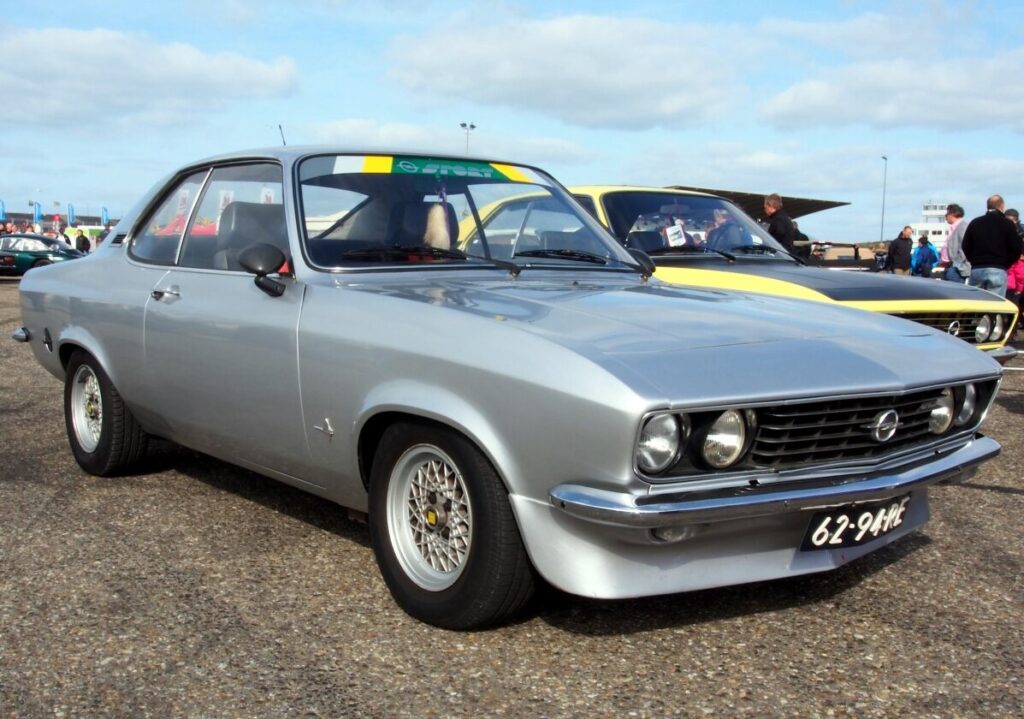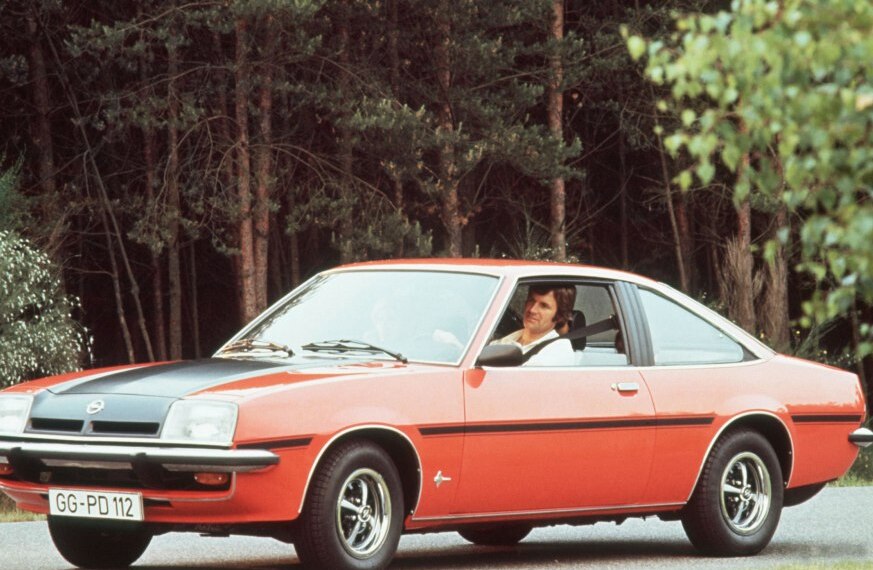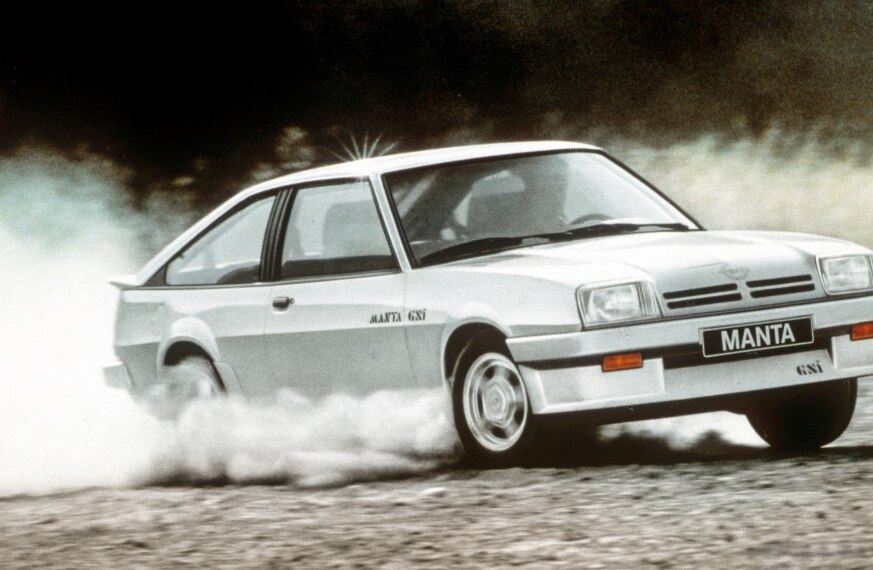
The Opel Manta B CC (facelift 1982) 2.0 GSi, produced from 1984 to 1988, represents a significant iteration of Opel’s iconic Manta coupe. Positioned as a performance-oriented variant within the Manta B range, the 2.0 GSi aimed to deliver a more engaging driving experience than the base models. It was a key player in the European sports coupe market, offering a blend of style, affordability, and respectable performance. This model sat towards the top end of the Manta B lineup, offering more power and a sportier character than the 1.6 or 1.8 liter versions, but remained more accessible than potential future high-performance iterations.
Technical Specifications
| Brand | Opel |
| Model | Manta |
| Generation | Manta B CC (facelift 1982) |
| Type (Engine) | 2.0 GSi (107 Hp) |
| Start of production | 1984 |
| End of production | 1988 |
| Powertrain Architecture | Internal Combustion engine |
| Body type | Hatchback |
| Seats | 4 |
| Doors | 3 |
| Fuel Type | Petrol (Gasoline) |
| Acceleration 0 – 100 km/h | 10.3 sec |
| Acceleration 0 – 62 mph | 10.3 sec |
| Acceleration 0 – 60 mph | 9.8 sec |
| Maximum speed | 186 km/h (115.58 mph) |
| Weight-to-power ratio | 10.2 kg/Hp, 98.2 Hp/tonne |
| Weight-to-torque ratio | 6.7 kg/Nm, 148.6 Nm/tonne |
| Power | 107 Hp @ 5400 rpm |
| Power per litre | 54.1 Hp/l |
| Torque | 162 Nm @ 3400 rpm (119.49 lb.-ft. @ 3400 rpm) |
| Engine layout | Front, Longitudinal |
| Engine Model/Code | 20E |
| Engine displacement | 1979 cm3 (120.77 cu. in.) |
| Number of cylinders | 4 |
| Engine configuration | Inline |
| Cylinder Bore | 95 mm (3.74 in.) |
| Piston Stroke | 69.8 mm (2.75 in.) |
| Compression ratio | 9.4:1 |
| Number of valves per cylinder | 2 |
| Fuel injection system | Multi-port manifold injection |
| Engine aspiration | Naturally aspirated engine |
| Valvetrain | SOHC |
| Engine oil capacity | 3.8 l (4.02 US qt | 3.34 UK qt) |
| Coolant | 6.8 l (7.19 US qt | 5.98 UK qt) |
| Kerb Weight | 1090 kg (2403.04 lbs.) |
| Max. weight | 1470 kg (3240.8 lbs.) |
| Max load | 380 kg (837.76 lbs.) |
| Trunk (boot) space – minimum | 330 l (11.65 cu. ft.) |
| Trunk (boot) space – maximum | 670 l (23.66 cu. ft.) |
| Fuel tank capacity | 50 l (13.21 US gal | 11 UK gal) |
| Permitted trailer load with brakes (12%) | 1300 kg (2866.01 lbs.) |
| Length | 4384 mm (172.6 in.) |
| Width | 1686 mm (66.38 in.) |
| Height | 1320 mm (51.97 in.) |
| Wheelbase | 2518 mm (99.13 in.) |
| Front track | 1394 mm (54.88 in.) |
| Rear (Back) track | 1389 mm (54.69 in.) |
| Minimum turning circle | 10.8 m (35.43 ft.) |
| Drivetrain Architecture | Rear wheel drive |
| Number of gears and type of gearbox | 5 gears, manual transmission |
| Front suspension | Double wishbone |
| Front brakes | Disc |
| Rear brakes | Drum |
| Tires size | 195/60 R14 |
| Wheel rims size | 14 |
INTRODUCTION
The Opel Manta B CC (facelift 1982) 2.0 GSi, launched in 1984, was a key variant of the Manta B series, which had received a significant facelift in 1982. The “CC” designation signified the coupe’s continued evolution. The 2.0 GSi represented a step up in performance and refinement compared to the lower-spec Manta B models. Built on the GM T-platform (internally known as the 1HX0/A3 platform, shared with models like the Ascona and Cavalier), the Manta B aimed to provide a stylish and affordable sports coupe experience for European buyers. The GSi trim, signifying “Grand Sport injection,” denoted a focus on sporty handling and a more powerful engine.
Powertrain & Engine Architecture
At the heart of the 2.0 GSi lay the 20E engine, a 1979cc inline-four cylinder unit. This engine was a development of Opel’s earlier four-cylinder designs, featuring a single overhead camshaft (SOHC) valvetrain operating two valves per cylinder. The 20E utilized Bosch multi-port fuel injection, a significant upgrade over the carburetors found in earlier Manta models, contributing to improved fuel efficiency and power delivery. The engine produced 107 horsepower at 5400 rpm and 162 Nm (119.49 lb-ft) of torque at 3400 rpm. The engine was mounted longitudinally in the front of the vehicle, driving the rear wheels. The 2.0 GSi was exclusively offered with a five-speed manual transmission, providing drivers with greater control over the engine’s power. This transmission was chosen to complement the engine’s performance characteristics and appeal to enthusiasts.
Driving Characteristics
The 2.0 GSi offered a noticeably more spirited driving experience than the base Manta B models. While not a true sports car in the modern sense, the 107 hp engine and five-speed manual transmission allowed for brisk acceleration. Zero to 60 mph was achievable in around 9.8 seconds, and the car could reach a top speed of 186 km/h (115.58 mph). The rear-wheel-drive layout contributed to a balanced feel, although understeer could become apparent when pushed hard. The five-speed gearbox provided well-spaced ratios, allowing the driver to keep the engine in its optimal power band. Compared to the 1.8 liter automatic versions, the 2.0 GSi offered significantly improved acceleration and a more engaging driving experience. The manual transmission also provided better fuel economy and a more direct connection to the engine.
Equipment & Trim Levels
The GSi trim level included several features designed to enhance both comfort and sportiness. Standard equipment typically included upgraded cloth upholstery, a sports steering wheel, and a more comprehensive instrument cluster with additional gauges. Exterior features included distinctive GSi badging, a rear spoiler, and often, alloy wheels. Optional extras included a sunroof, upgraded sound system, and metallic paint finishes. The interior was functional and relatively simple, reflecting the car’s focus on affordability and driving enjoyment. While not luxurious, the GSi offered a more refined interior than the base Manta B models.
Chassis & Braking
The Manta B CC utilized a relatively simple but effective chassis design. The front suspension featured a double wishbone setup, providing good handling characteristics. The rear suspension employed a solid axle with trailing arms. Braking was handled by disc brakes at the front and drum brakes at the rear. While adequate for the car’s performance, the rear drum brakes were a point of criticism, as they lacked the stopping power of disc brakes. The GSi trim often included a thicker front stabilizer bar to reduce body roll and improve handling. The car’s relatively light weight (around 1090 kg or 2403 lbs) helped to offset the limitations of the braking system.
Market Reception & Comparison
The Opel Manta B 2.0 GSi was generally well-received by automotive critics. It was praised for its stylish design, respectable performance, and affordability. However, some critics noted the car’s somewhat dated interior and the limitations of the rear drum brakes. Compared to other coupes in its class, such as the Ford Capri and the Volkswagen Scirocco, the Manta B GSi offered a compelling combination of value and performance. The 1.8 liter automatic versions of the Manta B were significantly slower and less engaging to drive, appealing to a different type of buyer who prioritized comfort and convenience over performance. The 2.0 GSi offered a more rewarding driving experience for enthusiasts.
Legacy
The Opel Manta B 2.0 GSi remains a popular classic car among enthusiasts today. The 20E engine is known for its reliability and relative simplicity, making it relatively easy to maintain. However, like any classic car, the Manta B is susceptible to rust, and finding well-preserved examples can be challenging. Parts availability is generally good, although some specific components may be difficult to source. The Manta B 2.0 GSi represents a significant chapter in Opel’s history, embodying the spirit of affordable, stylish, and engaging motoring of the 1980s. It continues to be appreciated for its distinctive design and its contribution to the European sports coupe market.