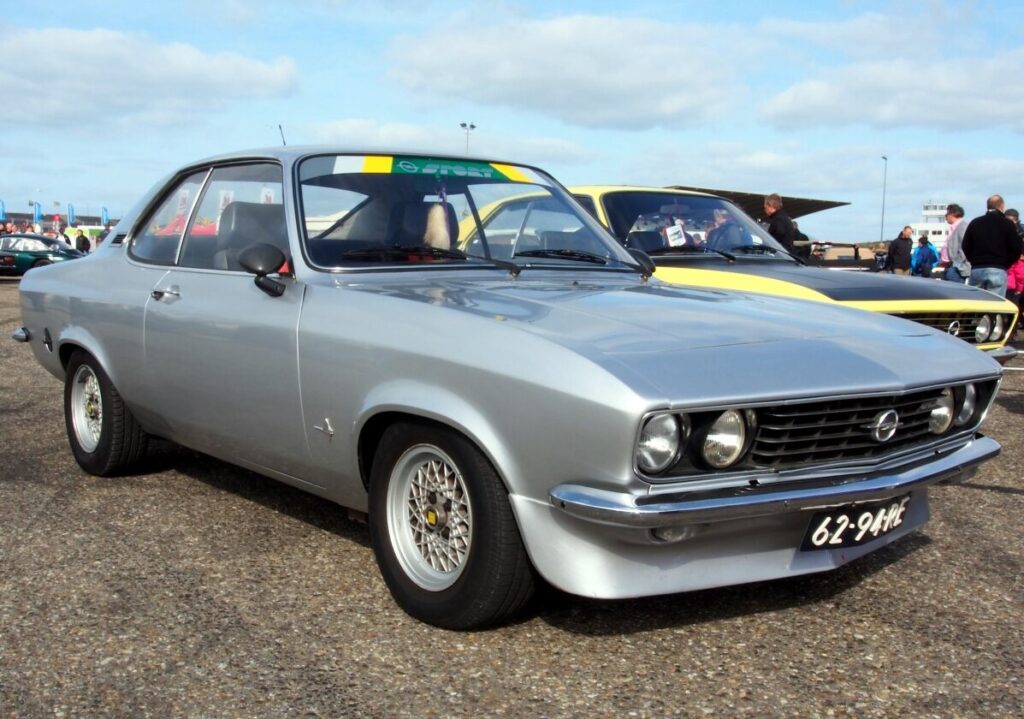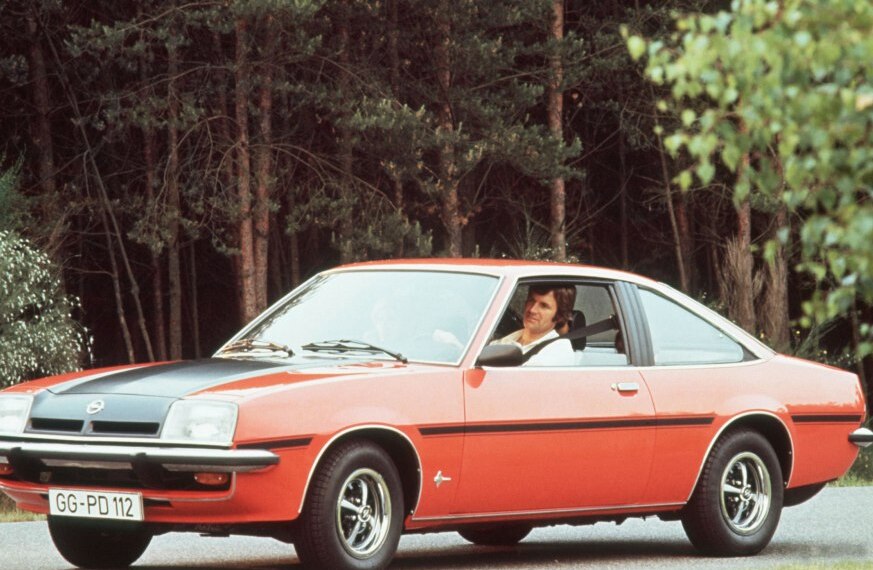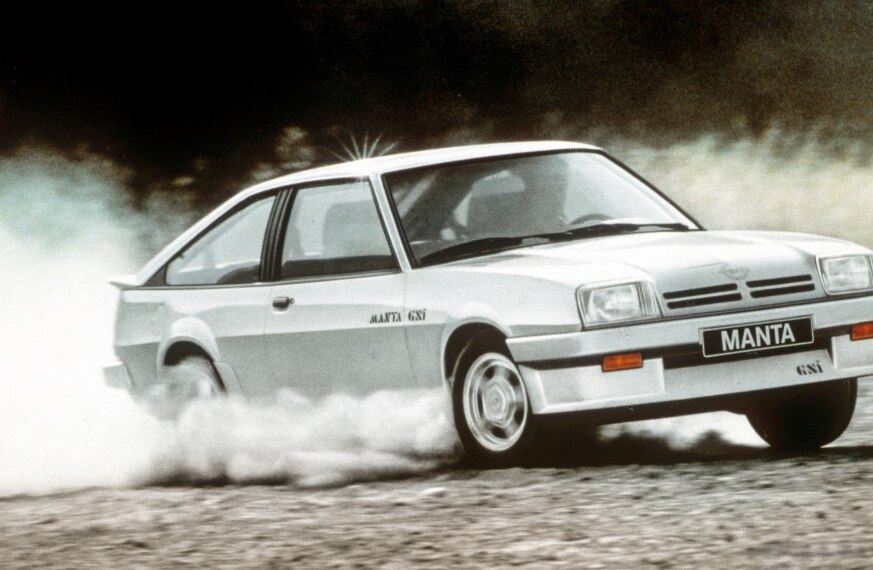
The Opel Manta B CC (Coupe Convenience), specifically the 2.0 S variant produced from 1982 to 1988, represents a significant evolution of the iconic Manta model line. Introduced as part of the Manta B series, which ran from 1977 to 1988, the CC facelift brought updated styling and mechanical refinements. The 2.0 S trim occupied a mid-range position within the Manta B lineup, offering a balance between performance and affordability, appealing to buyers seeking a sporty yet practical coupe. It was primarily marketed in Europe, where it became a popular choice for those desiring a stylish and relatively accessible rear-wheel-drive vehicle.
Technical Specifications
| Brand | Opel |
| Model | Manta |
| Generation | Manta B CC (facelift 1982) |
| Type (Engine) | 2.0 S (98 Hp) |
| Start of production | 1982 |
| End of production | 1988 |
| Powertrain Architecture | Internal Combustion engine |
| Body type | Hatchback |
| Seats | 4 |
| Doors | 3 |
| Fuel Type | Petrol (Gasoline) |
| Acceleration 0 – 100 km/h | 11 sec |
| Acceleration 0 – 62 mph | 11 sec |
| Acceleration 0 – 60 mph | 10.5 sec |
| Maximum speed | 185 km/h (114.95 mph) |
| Weight-to-power ratio | 10.7 kg/Hp, 93.3 Hp/tonne |
| Weight-to-torque ratio | 6.9 kg/Nm, 145.7 Nm/tonne |
| Power | 98 Hp @ 5400 rpm |
| Power per litre | 49.5 Hp/l |
| Torque | 153 Nm @ 3800 rpm (112.85 lb.-ft. @ 3800 rpm) |
| Engine layout | Front, Longitudinal |
| Engine Model/Code | 20S, 20E |
| Engine displacement | 1979 cm3 (120.77 cu. in.) |
| Number of cylinders | 4 |
| Engine configuration | Inline |
| Compression ratio | 9.2:1 |
| Number of valves per cylinder | 2 |
| Fuel injection system | Carburettor |
| Engine aspiration | Naturally aspirated engine |
| Valvetrain | SOHC |
| Engine oil capacity | 3.8 l (4.02 US qt | 3.34 UK qt) |
| Coolant | 6.2 l (6.55 US qt | 5.46 UK qt) |
| Kerb Weight | 1050 kg (2314.85 lbs) |
| Max. weight | 1490 kg (3284.89 lbs) |
| Max load | 440 kg (970.03 lbs) |
| Trunk (boot) space – minimum | 330 l (11.65 cu. ft.) |
| Trunk (boot) space – maximum | 670 l (23.66 cu. ft.) |
| Fuel tank capacity | 50 l (13.21 US gal | 11 UK gal) |
| Length | 4384 mm (172.6 in) |
| Width | 1686 mm (66.38 in) |
| Height | 1340 mm (52.76 in) |
| Wheelbase | 2518 mm (99.13 in) |
| Front track | 1380 mm (54.33 in) |
| Rear (Back) track | 1375 mm (54.13 in) |
| Minimum turning circle | 10.3 m (33.79 ft) |
| Drivetrain Architecture | Rear wheel drive |
| Number of gears and type of gearbox | 5 gears, manual transmission |
| Front brakes | Disc |
| Rear brakes | Drum |
| Tires size | 185/70 R13 |
| Wheel rims size | 13 |
Powertrain & Engine Architecture
The heart of the Manta B 2.0 S is the Opel 20S or 20E inline-four cylinder engine, displacing 1979cc (120.77 cubic inches). This engine, a mainstay of Opel’s lineup during the period, featured a single overhead camshaft (SOHC) valvetrain with two valves per cylinder. Unlike later fuel-injected versions, the 2.0 S utilized a carburetor for fuel delivery, specifically a Solex or Pierburg unit. This carburetor setup, while simpler than fuel injection, contributed to the engine’s relatively straightforward maintenance. The engine produced 98 horsepower at 5400 rpm and 153 Nm (113 lb-ft) of torque at 3800 rpm. The engine was mounted longitudinally in the front of the vehicle, driving the rear wheels. The standard transmission was a five-speed manual gearbox, although a three-speed automatic transmission was offered as an option, impacting performance and fuel economy.
Driving Characteristics
The 2.0 S, equipped with the five-speed manual, offered a reasonably engaging driving experience. Acceleration from 0 to 60 mph took around 10.5 seconds, and it could achieve a top speed of approximately 115 mph. The rear-wheel-drive layout provided a balanced feel, although the relatively narrow track width could lead to some body roll during cornering. The carburetor, while reliable, meant that throttle response wasn’t as crisp as with fuel injection. The optional automatic transmission significantly dulled performance, increasing the 0-60 mph time to around 12-13 seconds. Gear ratios in the manual transmission were well-spaced, allowing for effective use of the engine’s torque band. Compared to the more powerful Manta GT/E models, the 2.0 S felt less urgent, but it offered a more relaxed and fuel-efficient driving experience.
Equipment & Trim Levels
The Manta B 2.0 S came reasonably well-equipped for its time. Standard features typically included cloth upholstery, a basic instrument cluster, and a four-spoke steering wheel. The interior design was functional rather than luxurious, reflecting the car’s price point. Optional extras included a sunroof, upgraded stereo systems, and alloy wheels. The exterior styling featured a distinctive black plastic rear spoiler and body-colored bumpers. The 2.0 S trim generally sat above the base Manta models in terms of equipment, but below the sportier GT/E and GTE Exclusive variants.
Chassis & Braking
The Manta B utilized a relatively simple chassis design. It featured independent front suspension with MacPherson struts and a solid rear axle with leaf springs. The 2.0 S typically came with disc brakes on the front wheels and drum brakes on the rear. Stabilizer bars were fitted to both the front and rear axles to reduce body roll. The suspension setup provided a comfortable ride, but it wasn’t particularly sophisticated. The braking system was adequate for normal driving conditions, but lacked the stopping power of more modern systems. The relatively light curb weight of around 1050 kg (2315 lbs) helped to offset the limitations of the chassis and braking system.
Market Reception & Comparison
The Manta B 2.0 S was generally well-received by automotive critics as a practical and stylish coupe. It was praised for its affordability, decent performance, and comfortable ride. However, the carburetor engine and relatively basic interior were sometimes criticized. Compared to the more expensive Manta GT/E, the 2.0 S offered a more economical option for buyers who didn’t require the ultimate in performance. Against competitors like the Ford Capri and Volkswagen Scirocco, the Manta B 2.0 S offered a unique blend of style, practicality, and rear-wheel-drive dynamics. Fuel economy was reasonable for the era, averaging around 28-32 mpg depending on driving conditions.
Legacy
The Opel Manta B 2.0 S, while not the most powerful or technologically advanced version of the Manta, remains a popular classic car today. The 2.0-liter engine is known for its reliability, and parts availability is generally good. The carburetor can require occasional adjustment, but overall maintenance is relatively straightforward. The Manta B’s rear-wheel-drive layout and distinctive styling have earned it a dedicated following among enthusiasts. In the used car market, well-maintained examples of the 2.0 S can command respectable prices, reflecting the car’s enduring appeal and its place in automotive history. It’s often seen as a more accessible entry point into Manta ownership compared to the more sought-after GT/E models.