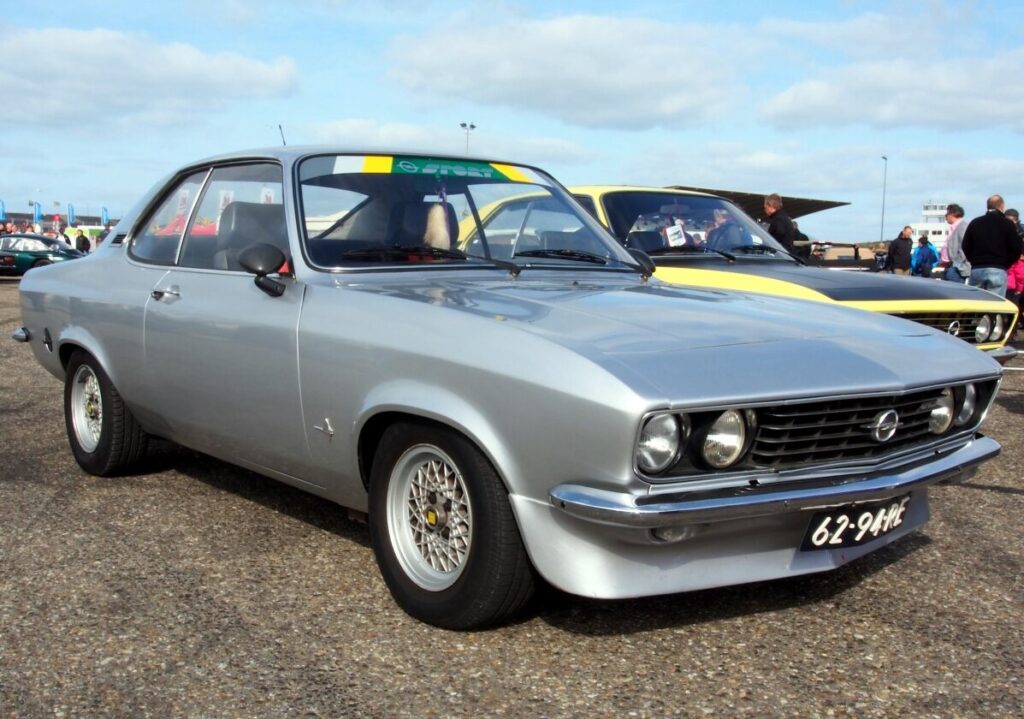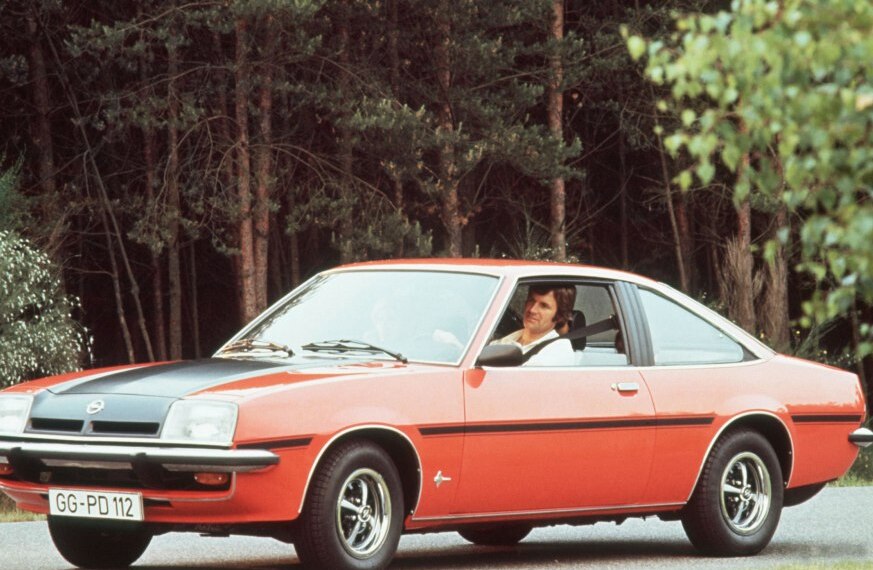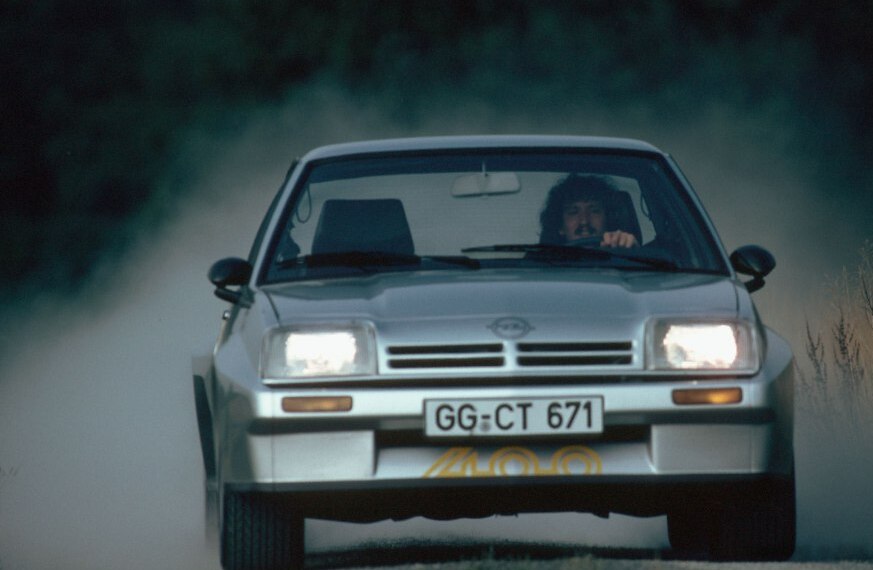
The Opel Manta B 1.3 S, produced from 1983 to 1988, represented an entry-level offering within the extensively revised Manta B range. Following the initial Manta B launch in 1977, the 1982 facelift brought significant cosmetic and mechanical updates, aiming to modernize the coupe and improve its appeal. The 1.3 S, powered by a 75 horsepower engine and typically paired with a four-speed manual transmission, served as the most accessible variant, targeting buyers seeking affordable personal transportation with a sporty image. It occupied the bottom rung of the Manta B ladder, below the more potent 1.6 and 2.0-liter models, and was positioned as a more economical alternative to the performance-focused GTE variants.
Technical Specifications
| Brand | Opel |
| Model | Manta |
| Generation | Manta B (facelift 1982) |
| Type (Engine) | 1.3 S (75 Hp) |
| Start of production | 1983 |
| End of production | 1988 |
| Powertrain Architecture | Internal Combustion engine |
| Body type | Coupe |
| Seats | 4 |
| Doors | 2 |
| Fuel Type | Petrol (Gasoline) |
| Acceleration 0 – 100 km/h | 15.5 sec |
| Acceleration 0 – 62 mph | 15.5 sec |
| Acceleration 0 – 60 mph | 14.7 sec |
| Maximum speed | 165 km/h (102.53 mph) |
| Weight-to-power ratio | 12.9 kg/Hp, 77.7 Hp/tonne |
| Weight-to-torque ratio | 9.8 kg/Nm, 101.6 Nm/tonne |
| Power | 75 Hp @ 5800 rpm |
| Power per litre | 57.8 Hp/l |
| Torque | 98 Nm @ 3800-4600 rpm (72.28 lb.-ft. @ 3800-4600 rpm) |
| Engine layout | Front, Longitudinal |
| Engine Model/Code | 13S, 13SC |
| Engine displacement | 1297 cm3 (79.15 cu. in.) |
| Number of cylinders | 4 |
| Engine configuration | Inline |
| Cylinder Bore | 75 mm (2.95 in.) |
| Piston Stroke | 73.4 mm (2.89 in.) |
| Compression ratio | 9.2:1 |
| Number of valves per cylinder | 2 |
| Fuel injection system | Carburettor |
| Engine aspiration | Naturally aspirated engine |
| Valvetrain | SOHC |
| Engine oil capacity | 2.5 l (2.64 US qt | 2.2 UK qt) |
| Coolant | 5.8 l (6.13 US qt | 5.1 UK qt) |
| Kerb Weight | 965 kg (2127.46 lbs.) |
| Max. weight | 1345 kg (2965.22 lbs.) |
| Max load | 380 kg (837.76 lbs.) |
| Trunk (boot) space – minimum | 380 l (13.42 cu. ft.) |
| Fuel tank capacity | 50 l (13.21 US gal | 11 UK gal) |
| Permitted trailer load with brakes (12%) | 1000 kg (2204.62 lbs.) |
| Permitted trailer load without brakes | 500 kg (1102.31 lbs.) |
| Length | 4443 mm (174.92 in.) |
| Width | 1686 mm (66.38 in.) |
| Height | 1310 mm (51.57 in.) |
| Wheelbase | 2518 mm (99.13 in.) |
| Front track | 1394 mm (54.88 in.) |
| Rear (Back) track | 1389 mm (54.69 in.) |
| Minimum turning circle | 10.3 m (33.79 ft.) |
| Drivetrain Architecture | Rear wheel drive |
| Number of gears and type of gearbox | 4 gears, manual transmission |
| Front suspension | Double wishbone |
| Front brakes | Disc |
| Rear brakes | Drum |
| Tires size | 185/70 R13 |
| Wheel rims size | 13 |
Powertrain & Engine Architecture
The heart of the Manta B 1.3 S was the Opel 13S or 13SC engine, a 1.3-liter inline-four cylinder unit. This engine, a descendant of Opel’s earlier OHV designs, featured a single overhead camshaft (SOHC) valvetrain operating two valves per cylinder. Fuel delivery was managed by a single downdraft carburetor, a common setup for the time, prioritizing simplicity and cost-effectiveness over the more advanced fuel injection systems found in higher-spec models. The engine produced 75 horsepower at 5800 rpm and 98 Nm (72.28 lb-ft) of torque between 3800 and 4600 rpm. The engine was mounted longitudinally in the front of the vehicle, driving the rear wheels. The standard transmission was a four-speed manual gearbox, offering a relatively basic but durable shifting experience. While an automatic transmission was available on some Manta B models, it was less common with the 1.3-liter engine.
Driving Characteristics
The 1.3 S offered modest performance, reflecting its position as the entry-level Manta B. Acceleration to 60 mph took around 14.7 seconds, and top speed was approximately 102.53 mph. The carburetor-fed engine delivered power in a linear fashion, but lacked the punch of the larger displacement engines. The four-speed manual transmission provided adequate control, but the relatively wide gear ratios meant frequent shifting was necessary to maintain optimal engine speed. Compared to the 1.6 or 2.0-liter versions, the 1.3 S felt noticeably slower, particularly during overtaking maneuvers. However, its lighter weight and simpler mechanicals contributed to a more nimble and forgiving handling balance.
Equipment & Trim Levels
The 1.3 S was typically equipped with basic but functional features. Standard interior appointments included cloth upholstery, a simple dashboard layout, and basic instrumentation. Power steering and central locking were generally not included as standard equipment, but could be added as optional extras. Exterior features were similarly modest, with steel wheels, black plastic trim, and relatively small tires. Optional extras included upgraded audio systems, tinted glass, and a sunroof. The trim level was designed to appeal to budget-conscious buyers who prioritized affordability over luxury.
Chassis & Braking
The Manta B utilized a rear-wheel-drive layout with a double wishbone front suspension and a rigid axle rear suspension. The 1.3 S typically featured disc brakes on the front wheels and drum brakes on the rear. This configuration was common for vehicles of this era and price point. The suspension provided a comfortable ride, but handling was not as precise as that of more sophisticated sports coupes. Stabilizer bars were often omitted from the 1.3 S to further reduce cost, resulting in slightly more body roll during cornering.
Market Reception & Comparison
The Manta B 1.3 S was generally well-received as an affordable and stylish coupe. Critics acknowledged its limitations in terms of performance, but praised its fuel economy and relatively low running costs. Compared to the higher-spec Manta B models, the 1.3 S offered a more accessible entry point into the Manta ownership experience. The 1.6-liter version, while more expensive, provided a noticeable improvement in performance. The GTE models, with their fuel injection and upgraded suspension, were aimed at a more performance-oriented audience. The 1.3 S competed with other affordable coupes of the era, such as the Ford Capri and the Vauxhall Cavalier.
Legacy
The Opel Manta B 1.3 S, while not the most powerful or technologically advanced version of the Manta B, remains a popular choice among classic car enthusiasts. Its simple mechanicals and relatively low cost of ownership make it an attractive option for those seeking a classic coupe that is easy to maintain. The 13S engine, while not known for its exceptional durability, is generally reliable if properly maintained. Today, well-preserved examples of the Manta B 1.3 S are becoming increasingly collectible, representing a nostalgic reminder of a bygone era of affordable and stylish motoring.