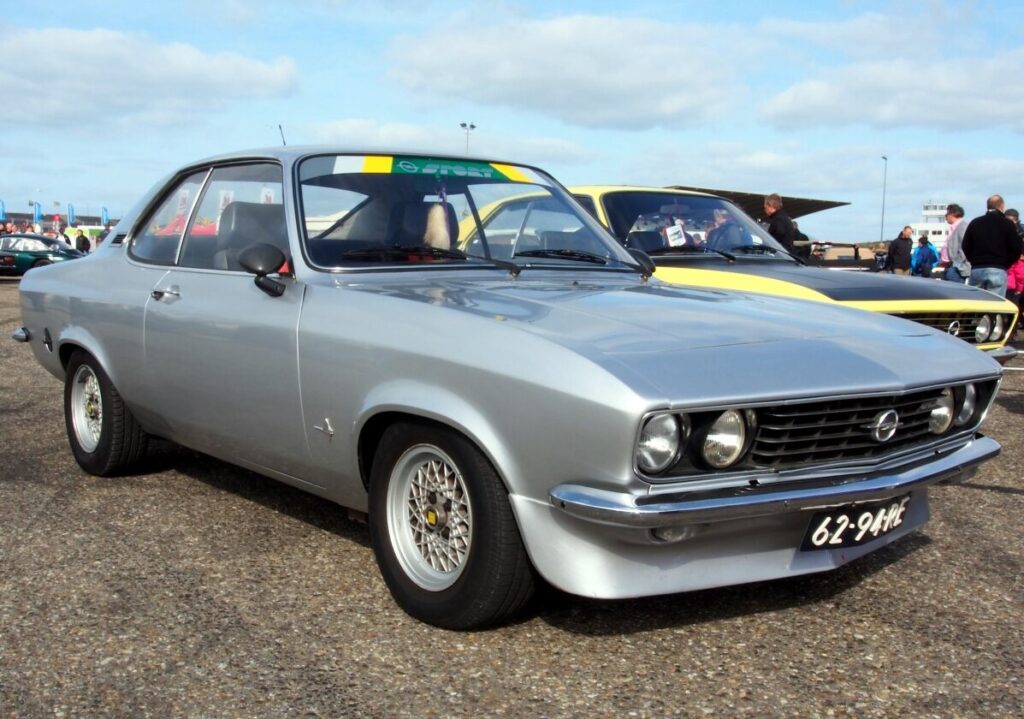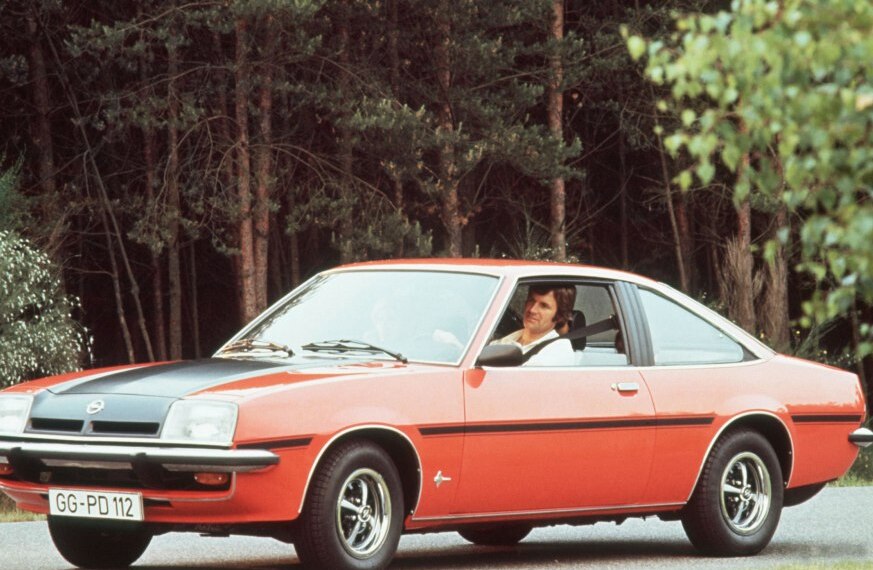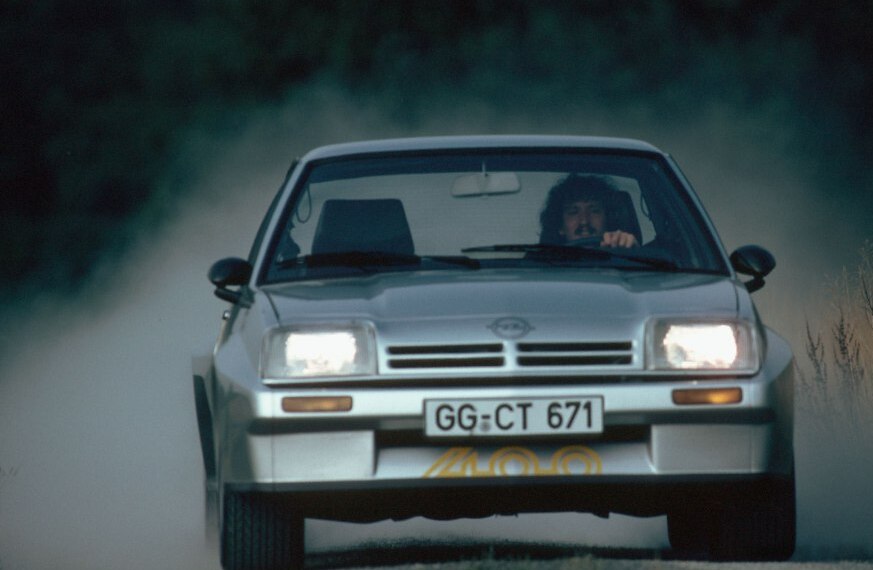
The Opel Manta B 2.0 200 Rallye Gruppe, produced from 1983 to 1984, represented the pinnacle of performance for the second-generation Manta. Positioned as the flagship variant of the B-series, it was designed to offer a potent blend of style and speed, appealing to enthusiasts seeking a sporty coupe. This model was a direct descendant of the original Manta, continuing Opel’s tradition of offering accessible performance cars to the European market. The “Rallye Gruppe” designation signified a focus on motorsport-inspired enhancements, though it was primarily a road-going performance model rather than a dedicated racing homologation special.
Technical Specifications
| Brand | Opel |
| Model | Manta |
| Generation | Manta B (facelift 1982) |
| Type (Engine) | 2.0 200 Rallye Gruppe (186 Hp) |
| Start of production | 1983 |
| End of production | 1984 |
| Powertrain Architecture | Internal Combustion engine |
| Body type | Coupe |
| Seats | 4 |
| Doors | 2 |
| Fuel Type | Petrol (Gasoline) |
| Acceleration 0 – 100 km/h | 6.5 sec |
| Acceleration 0 – 62 mph | 6.5 sec |
| Acceleration 0 – 60 mph | 6.2 sec |
| Maximum speed | 220 km/h (136.7 mph) |
| Weight-to-power ratio | 5.3 kg/Hp, 187.9 Hp/tonne |
| Weight-to-torque ratio | 4.7 kg/Nm, 212.1 Nm/tonne |
| Power | 186 Hp |
| Power per litre | 94 Hp/l |
| Torque | 210 Nm (154.89 lb.-ft.) |
| Engine layout | Front, Longitudinal |
| Engine displacement | 1979 cm3 (120.77 cu. in.) |
| Number of cylinders | 4 |
| Engine configuration | Inline |
| Cylinder Bore | 95 mm (3.74 in.) |
| Piston Stroke | 69.8 mm (2.75 in.) |
| Compression ratio | 11:1 |
| Number of valves per cylinder | 2 |
| Fuel injection system | Carburettor |
| Engine aspiration | Naturally aspirated engine |
| Valvetrain | SOHC |
| Kerb Weight | 990 kg (2182.58 lbs.) |
| Max. weight | 1400 kg (3086.47 lbs.) |
| Max load | 410 kg (903.9 lbs.) |
| Trunk (boot) space – maximum | 490 l (17.3 cu. ft.) |
| Fuel tank capacity | 50 l (13.21 US gal | 11 UK gal) |
| Length | 4475 mm (176.18 in.) |
| Width | 1670 mm (65.75 in.) |
| Height | 1320 mm (51.97 in.) |
| Wheelbase | 2518 mm (99.13 in.) |
| Minimum turning circle | 10.5 m (34.45 ft.) |
| Drivetrain Architecture | The Internal combustion engine (ICE) drives the rear wheels of the vehicle. |
| Drive wheel | Rear wheel drive |
| Number of gears and type of gearbox | 5 gears, manual transmission |
| Front brakes | Ventilated discs |
| Rear brakes | Disc |
Powertrain & Engine Architecture
The heart of the Manta B 2.0 200 Rallye Gruppe was its 1,979 cc inline-four cylinder engine. While sharing a basic architecture with other Manta B engines, the “200” variant featured significant upgrades to boost performance. Notably, it utilized a higher compression ratio of 11:1 and a revised cylinder head. Fuel delivery was managed by a twin-carburetor setup, a common practice for the era, rather than fuel injection. The single overhead camshaft (SOHC) valvetrain operated two valves per cylinder. The engine produced 186 horsepower and 210 Nm (154.89 lb.-ft.) of torque. The engine was mounted longitudinally in the front of the vehicle, driving the rear wheels. The transmission was a five-speed manual, chosen for its performance characteristics and driver engagement. This configuration was a deliberate choice to maximize driving pleasure and responsiveness.
Driving Characteristics
The 2.0 200 Rallye Gruppe offered a noticeably more engaging driving experience than lower-spec Manta B models. The increased power output, combined with the five-speed manual transmission, allowed for brisk acceleration. Zero to 60 mph was achievable in approximately 6.2 seconds, and the car could reach a top speed of 220 km/h (136.7 mph). The rear-wheel-drive layout contributed to a balanced feel, although oversteer could be induced with aggressive throttle application. The gear ratios were well-matched to the engine’s powerband, providing strong acceleration in each gear. Compared to the more economical 1.6 or 1.8 liter versions, the 2.0 200 Rallye Gruppe demanded more driver attention and skill, but rewarded with a more visceral and rewarding experience. It wasn’t a refined grand tourer, but a driver’s car focused on providing a connection between the driver and the road.
Equipment & Trim Levels
The Rallye Gruppe trim level was relatively well-equipped for its time, though it wasn’t a luxury car. Standard features included sport seats, a leather-wrapped steering wheel, and a comprehensive instrument cluster with additional gauges (oil temperature, voltmeter). The interior trim was typically dark, with a focus on functionality rather than opulence. Optional extras included a sunroof, upgraded audio systems, and alloy wheels. The exterior was distinguished by a unique front spoiler, flared wheel arches, and a rear spoiler, all contributing to a more aggressive and sporty appearance. The Rallye Gruppe also featured a limited-slip differential, further enhancing its handling capabilities.
Chassis & Braking
The Manta B utilized a relatively simple but effective chassis design. It featured independent suspension at the front with MacPherson struts and a live axle with trailing arms at the rear. The Rallye Gruppe benefited from a slightly stiffer suspension setup compared to other models, improving handling and reducing body roll. Braking was handled by ventilated discs at the front and discs at the rear, providing adequate stopping power for the car’s performance. The steering was a recirculating ball system, which offered a direct feel but lacked the precision of more modern steering technologies.
Market Reception & Comparison
The Opel Manta B 2.0 200 Rallye Gruppe was generally well-received by automotive journalists and enthusiasts. It was praised for its performance, handling, and distinctive styling. However, some critics noted its relatively basic interior and lack of refinement compared to more expensive sports coupes. Compared to the more fuel-efficient 1.6 and 1.8 liter models, the 2.0 200 Rallye Gruppe offered significantly more performance but at the cost of increased fuel consumption. It also required more frequent maintenance due to its higher-stressed engine. Against rivals like the Ford Capri and Volkswagen Scirocco, the Manta B 2.0 200 Rallye Gruppe offered a compelling combination of performance and value.
Legacy
The Opel Manta B 2.0 200 Rallye Gruppe remains a popular classic car today, particularly among Opel enthusiasts. The engine, while robust, can be prone to overheating if not properly maintained. Parts availability is generally good, although some specific components can be difficult to find. The car’s relatively simple mechanical design makes it a good candidate for restoration and modification. The Manta B 2.0 200 Rallye Gruppe represents a significant chapter in Opel’s history, embodying the spirit of accessible performance and sporty styling that defined the brand during the 1980s. Well-maintained examples command a premium in the used car market, reflecting their rarity and desirability.