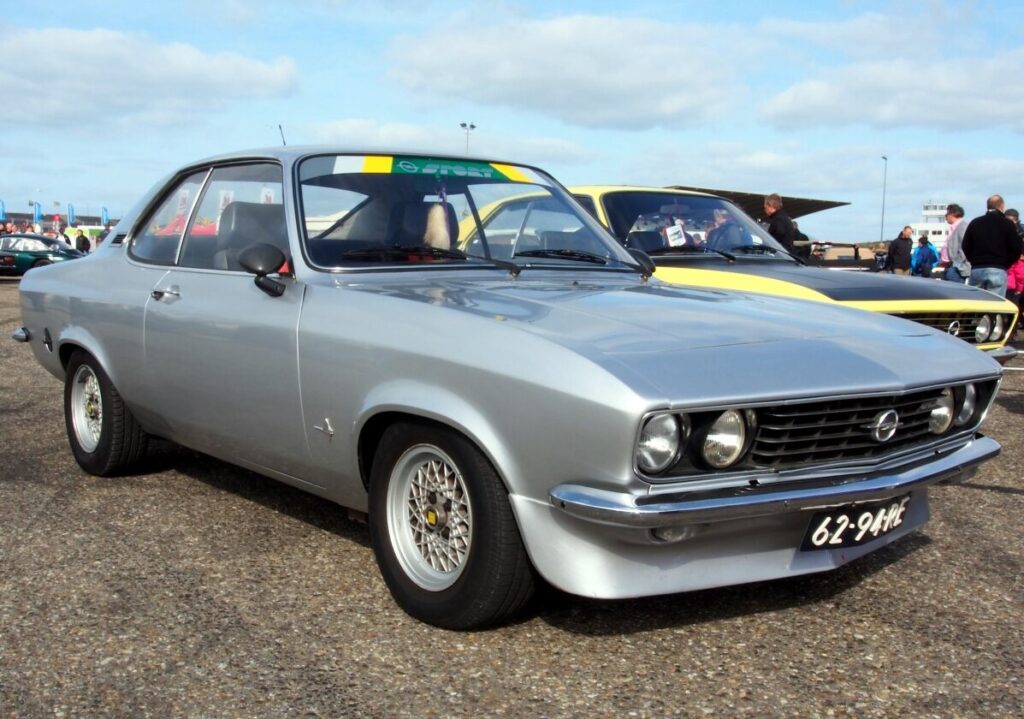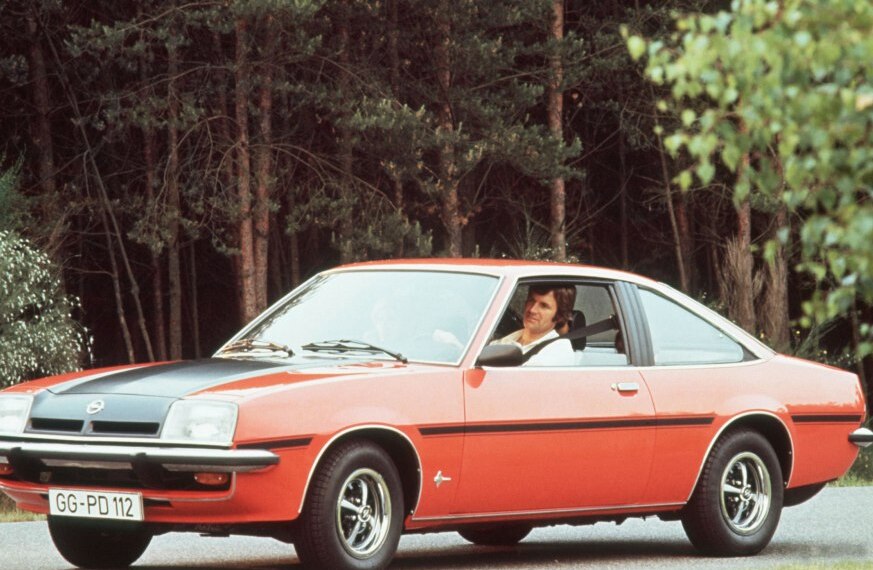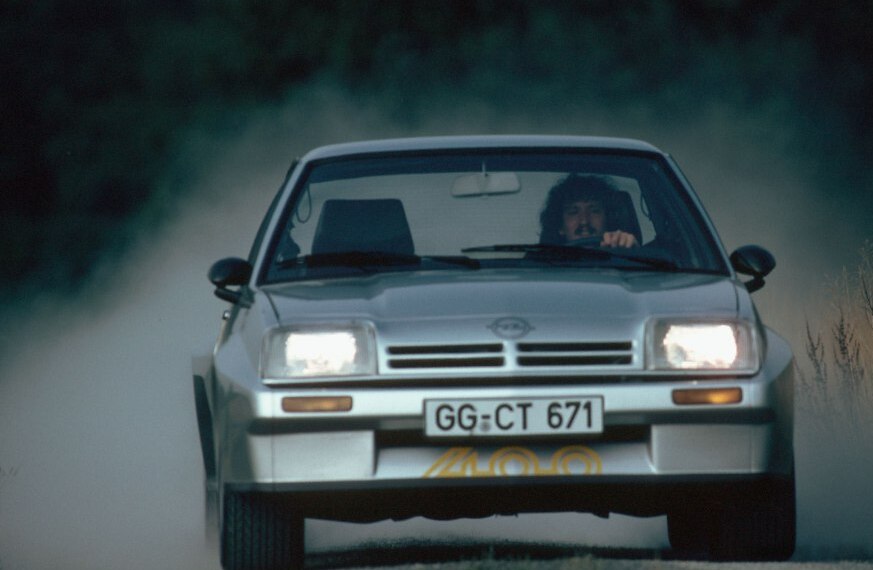
The Opel Manta B 2.0 GSi, produced from 1987 to 1988, represented a performance-oriented iteration of the popular Manta B coupe. Positioned as a step up from the base models, the GSi (Grand Sport injection) offered increased power and a more sporting driving experience. This facelifted version of the Manta B, introduced in 1982, aimed to modernize the design and enhance its appeal in a competitive market. The 2.0 GSi specifically targeted drivers seeking a stylish, rear-wheel-drive coupe with a respectable level of performance, fitting into the broader Manta B range which included more economical engine options.
Technical Specifications
| Brand | Opel |
| Model | Manta |
| Generation | Manta B (facelift 1982) |
| Type (Engine) | 2.0 GSi (107 Hp) |
| Start of production | 1987 |
| End of production | 1988 |
| Powertrain Architecture | Internal Combustion engine |
| Body type | Coupe |
| Seats | 4 |
| Doors | 2 |
| Fuel Type | Petrol (Gasoline) |
| Acceleration 0 – 100 km/h | 10.3 sec |
| Acceleration 0 – 62 mph | 10.3 sec |
| Acceleration 0 – 60 mph | 9.8 sec |
| Maximum speed | 186 km/h (115.58 mph) |
| Weight-to-power ratio | 10 kg/Hp, 100.5 Hp/tonne |
| Weight-to-torque ratio | 6.6 kg/Nm, 152.1 Nm/tonne |
| Power | 107 Hp @ 5400 rpm |
| Power per litre | 54.1 Hp/l |
| Torque | 162 Nm @ 3400 rpm (119.49 lb.-ft. @ 3400 rpm) |
| Engine layout | Front, Longitudinal |
| Engine Model/Code | 20E |
| Engine displacement | 1979 cm3 (120.77 cu. in.) |
| Number of cylinders | 4 |
| Engine configuration | Inline |
| Cylinder Bore | 95 mm (3.74 in.) |
| Piston Stroke | 69.8 mm (2.75 in.) |
| Compression ratio | 9.4:1 |
| Number of valves per cylinder | 2 |
| Fuel injection system | Multi-port manifold injection |
| Engine aspiration | Naturally aspirated engine |
| Valvetrain | SOHC |
| Engine oil capacity | 3.8 l (4.02 US qt | 3.34 UK qt) |
| Coolant | 6.8 l (7.19 US qt | 5.98 UK qt) |
| Kerb Weight | 1065 kg (2347.92 lbs.) |
| Max. weight | 1400 kg (3086.47 lbs.) |
| Max load | 335 kg (738.55 lbs.) |
| Trunk (boot) space – minimum | 380 l (13.42 cu. ft.) |
| Fuel tank capacity | 50 l (13.21 US gal | 11 UK gal) |
| Permitted trailer load with brakes (12%) | 1300 kg (2866.01 lbs.) |
| Length | 4443 mm (174.92 in.) |
| Width | 1686 mm (66.38 in.) |
| Height | 1310 mm (51.57 in.) |
| Wheelbase | 2518 mm (99.13 in.) |
| Front track | 1394 mm (54.88 in.) |
| Rear (Back) track | 1389 mm (54.69 in.) |
| Minimum turning circle | 10.8 m (35.43 ft.) |
| Drivetrain Architecture | Rear wheel drive |
| Number of gears and type of gearbox | 5 gears, manual transmission |
| Front suspension | Double wishbone |
| Front brakes | Disc |
| Rear brakes | Drum |
| Tires size | 195/60 R14 |
| Wheel rims size | 14 |
Powertrain & Engine Architecture
The heart of the Manta B 2.0 GSi was the Opel 20E engine, a 1979cc inline-four cylinder unit. This engine featured a single overhead camshaft (SOHC) valvetrain operating two valves per cylinder. Crucially, the 20E utilized Bosch multi-port fuel injection, a significant upgrade over the carburetors found in earlier Manta models. This injection system, combined with a compression ratio of 9.4:1, allowed the engine to produce 107 horsepower at 5400 rpm and 162 Nm (119.49 lb-ft) of torque at 3400 rpm. The engine was mounted longitudinally in the front of the vehicle, driving the rear wheels. The five-speed manual transmission was the only gearbox option available with the 2.0 GSi, providing a more engaging driving experience than the available automatics in lower trims.
Driving Characteristics
The 2.0 GSi offered a noticeable improvement in performance compared to the lower-powered Manta B variants. While not a sports car in the modern sense, the 107 hp engine and rear-wheel-drive configuration provided a lively and engaging driving experience. Acceleration to 60 mph took approximately 9.8 seconds, and the car could reach a top speed of 115.58 mph. The five-speed manual transmission allowed drivers to keep the engine in its optimal power band, maximizing acceleration. Compared to the 1.8-liter models, the 2.0 GSi felt more responsive and capable, particularly during overtaking maneuvers. The rear-wheel-drive layout contributed to a balanced feel, although it also required more careful throttle control in slippery conditions.
Equipment & Trim Levels
The GSi trim level included several features designed to enhance both comfort and aesthetics. Standard equipment typically included upgraded cloth upholstery, a sports steering wheel, and a more comprehensive instrument cluster. Exterior features included a distinctive front spoiler, rear window louvers, and alloy wheels. Optional extras could include a sunroof, upgraded sound system, and power windows. The interior design was functional and driver-focused, reflecting the car’s sporting intentions. While not luxurious, the GSi offered a comfortable and well-equipped cabin for its time.
Chassis & Braking
The Manta B 2.0 GSi utilized a double wishbone suspension setup at the front, providing good handling and ride comfort. The rear suspension was a solid axle design, which was typical for rear-wheel-drive cars of this era. Braking was handled by disc brakes at the front and drum brakes at the rear. While adequate for normal driving, the braking system lacked the stopping power of more modern cars. The car’s curb weight of 1065 kg (2347.92 lbs) contributed to its relatively nimble handling characteristics.
Market Reception & Comparison
The Manta B 2.0 GSi was generally well-received by automotive critics as a capable and stylish coupe. It was praised for its improved performance compared to the lower-powered models, as well as its attractive design. However, some critics noted that the interior was somewhat dated and that the braking system could be improved. Compared to the 1.8-liter versions, the 2.0 GSi offered a significant performance boost, but at a higher price point. The 2.0 GSi also offered a more engaging driving experience than the automatic transmission options available in other Manta B trims. Fuel economy was reasonable for the time, but not exceptional.
Legacy
The Opel Manta B 2.0 GSi remains a popular classic car among enthusiasts today. The 20E engine is known for its reliability and relatively simple maintenance requirements. However, like any older car, the Manta B requires regular maintenance to keep it in good condition. Parts availability can be a challenge, but a dedicated aftermarket exists to support owners. The Manta B 2.0 GSi is remembered as a stylish and affordable coupe that offered a fun and engaging driving experience, and it continues to hold a special place in automotive history.