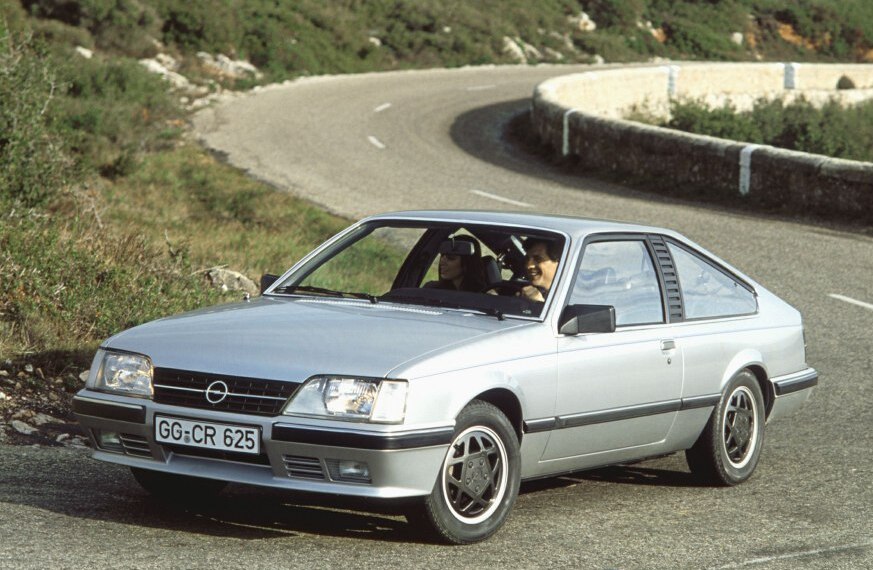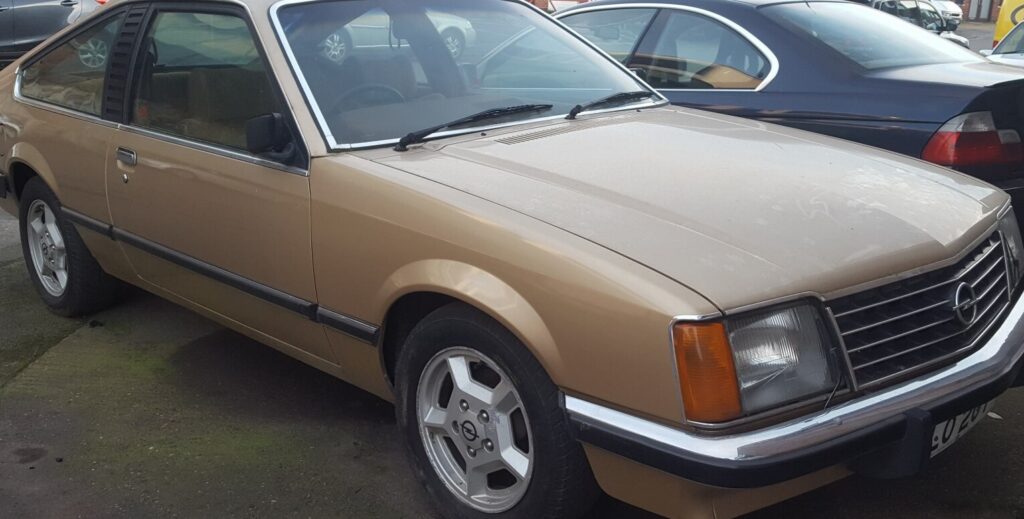
The Opel Monza A1 2.5 E, produced between 1981 and 1986, represented a significant offering in Opel’s lineup as a sporty, yet comfortable, coupe. Positioned as a more upscale alternative to the Manta and Ascona, the Monza A1 aimed to provide a blend of performance and refinement. It was a key model within the first generation (A1) of the Monza, built on Opel’s then-modern platform, and served as a flagship for the brand’s engineering capabilities. The 2.5 E variant, with its fuel-injected engine, was a mid-range offering, sitting between the base models and the higher-performance GSE/injection versions.
Technical Specifications
| Brand | Opel |
| Model | Monza |
| Generation | Monza A1 |
| Type (Engine) | 2.5 E (136 Hp) |
| Start of production | 1981 |
| End of production | 1986 |
| Powertrain Architecture | Internal Combustion engine |
| Body type | Coupe |
| Seats | 4 |
| Doors | 3 |
| Fuel Type | Petrol (Gasoline) |
| Acceleration 0 – 100 km/h | 11 sec |
| Acceleration 0 – 62 mph | 11 sec |
| Acceleration 0 – 60 mph | 10.5 sec |
| Maximum speed | 195 km/h (121.17 mph) |
| Weight-to-power ratio | 10.1 kg/Hp, 99.3 Hp/tonne |
| Weight-to-torque ratio | 7.4 kg/Nm, 135 Nm/tonne |
| Power | 136 Hp @ 5600 rpm |
| Power per litre | 54.6 Hp/l |
| Torque | 185 Nm @ 4600 rpm (136.45 lb.-ft. @ 4600 rpm) |
| Engine layout | Front, Longitudinal |
| Engine Model/Code | H25E |
| Engine displacement | 2490 cm3 (151.95 cu. in.) |
| Number of cylinders | 4 |
| Engine configuration | Inline |
| Number of valves per cylinder | 2 |
| Fuel injection system | Multi-port manifold injection |
| Engine aspiration | Naturally aspirated engine |
| Valvetrain | SOHC |
| Engine oil capacity | 5.5 l (5.81 US qt | 4.84 UK qt) |
| Coolant | 10.1 l (10.67 US qt | 8.89 UK qt) |
| Kerb Weight | 1370 kg (3020.33 lbs) |
| Max. weight | 1900 kg (4188.78 lbs) |
| Max load | 530 kg (1168.45 lbs) |
| Trunk (boot) space – minimum | 425 l (15.01 cu. ft.) |
| Trunk (boot) space – maximum | 765 l (27.02 cu. ft.) |
| Fuel tank capacity | 70 l (18.49 US gal | 15.4 UK gal) |
| Length | 4692 mm (184.72 in) |
| Width | 1734 mm (68.27 in) |
| Height | 1380 mm (54.33 in) |
| Wheelbase | 2668 mm (105.04 in) |
| Front track | 1443 mm (56.81 in) |
| Rear (Back) track | 1472 mm (57.95 in) |
| Ride height (ground clearance) | 140 mm (5.51 in) |
| Drag coefficient (Cd) | 0.41 |
| Minimum turning circle | 10.8 m (35.43 ft) |
| Drivetrain Architecture | Rear wheel drive |
| Drive wheel | Rear wheel drive |
| Number of gears | 4 gears, manual transmission |
| Front brakes | Ventilated discs |
| Rear brakes | Disc |
Powertrain & Engine Architecture
The heart of the Monza A1 2.5 E is the H25E engine, a 2.5-liter inline-four cylinder powerplant. This engine featured a single overhead camshaft (SOHC) valvetrain operating two valves per cylinder. Crucially, the ‘E’ designation signifies the use of Bosch Motronic fuel injection, a significant upgrade over the carbureted versions found in earlier Monzas. This multi-port fuel injection system improved both performance and fuel efficiency. The engine produced 136 horsepower at 5600 rpm and 185 Nm (136.45 lb-ft) of torque at 4600 rpm. The engine was mounted longitudinally in the front of the vehicle, driving the rear wheels. The standard transmission for this variant was a four-speed manual gearbox, although a three-speed automatic transmission was also available, albeit less common. The automatic transmission, while offering convenience, did impact acceleration and fuel economy.
Driving Characteristics
The Monza A1 2.5 E offered a comfortable and relatively refined driving experience. The 2.5-liter engine provided adequate power for cruising and overtaking, but it wasn’t a particularly sporty performer. Acceleration to 60 mph took around 10.5 seconds, and top speed was approximately 121 mph. The four-speed manual transmission allowed drivers to make the most of the engine’s powerband, while the optional automatic, while smooth, resulted in noticeable performance loss. The rear-wheel-drive layout provided a balanced feel, although the Monza’s relatively heavy weight (around 3020 lbs) meant it wasn’t as nimble as some of its competitors. The suspension, tuned for comfort, absorbed bumps well, making it a pleasant long-distance cruiser.
Equipment & Trim Levels
The Monza A1 2.5 E came reasonably well-equipped for its time. Standard features typically included cloth upholstery, a basic stereo system, and power-assisted steering. The interior design was functional and relatively spacious, with a focus on comfort. Optional extras included leather upholstery, electric windows, a sunroof, and upgraded audio systems. The trim level of the 2.5 E placed it in the mid-range of the Monza lineup. It offered more features than the base models but lacked the sporty enhancements found in the GSE/injection variants, such as a sport suspension and closer-ratio gearbox.
Chassis & Braking
The Monza A1 utilized a traditional body-on-frame construction, which contributed to its weight. The front suspension consisted of MacPherson struts, while the rear featured a solid axle with trailing arms. Braking was handled by ventilated discs at the front and solid discs at the rear. The braking system was adequate for the car’s weight and performance, but it lacked the sophistication of more modern systems. Stabilizer bars were fitted to both the front and rear axles to reduce body roll during cornering.
Market Reception & Comparison
The Monza A1 2.5 E was generally well-received by automotive critics. It was praised for its comfortable ride, spacious interior, and refined engine. However, some critics noted its relatively heavy weight and lack of outright sportiness. Compared to the higher-performance Monza GSE/injection models, the 2.5 E offered less thrilling performance but better fuel economy and a lower price point. Against competitors like the Ford Capri and BMW 3-Series, the Monza offered a unique blend of style, comfort, and value. Fuel economy was reasonable for the era, averaging around 22-26 mpg in mixed driving.
Legacy
The Opel Monza A1 2.5 E, while not a high-volume seller, has gained a following among classic car enthusiasts. The H25E engine is generally considered to be a reliable unit, although regular maintenance is essential. Parts availability can be a challenge, but a dedicated network of Opel enthusiasts and suppliers exists. Today, well-maintained examples of the Monza A1 2.5 E are sought after by collectors and those looking for a stylish and comfortable classic coupe. The Monza’s design, a product of the early 1980s, continues to appeal to many, and its blend of performance and practicality makes it a unique and desirable vehicle in the used car market.