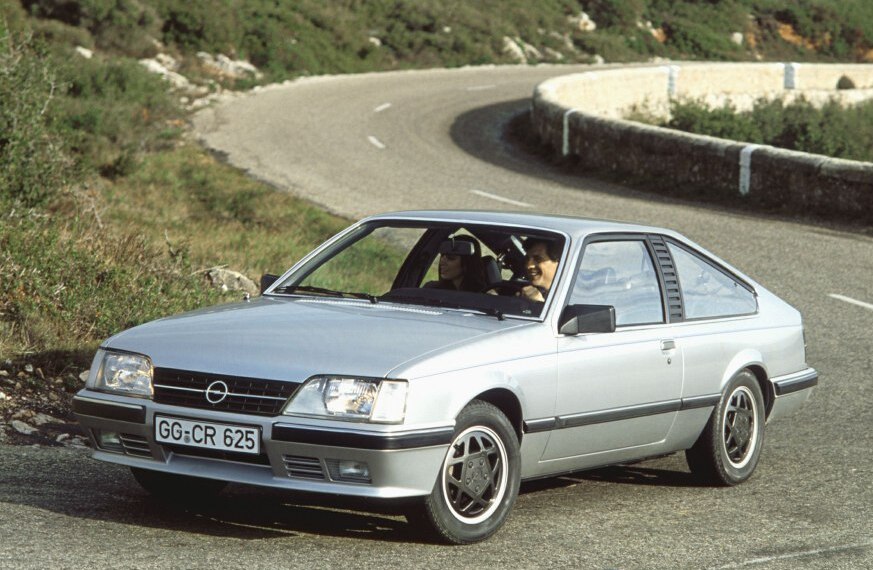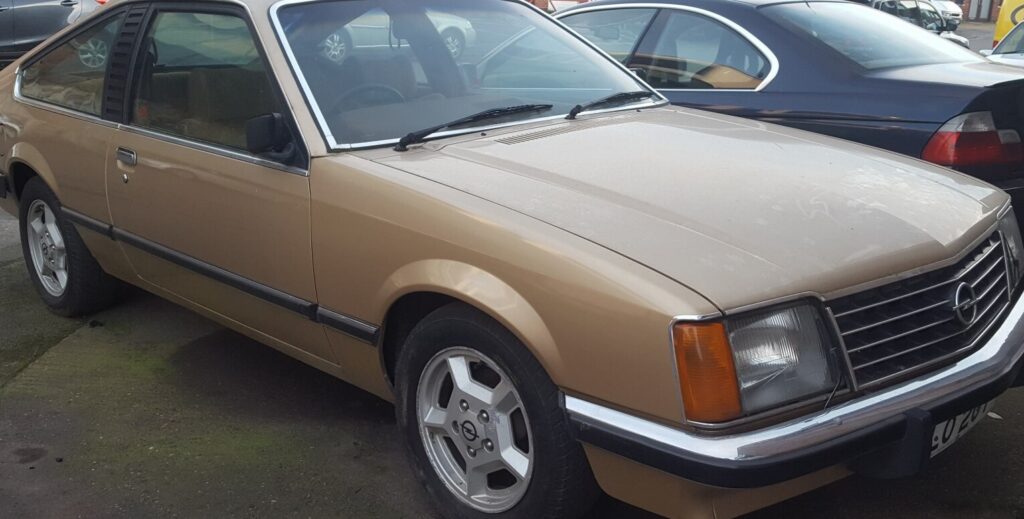
The Opel Monza A1 3.0 E, produced between 1978 and 1982, represented a significant offering in Opel’s lineup as a sporty, yet comfortable, grand tourer. Positioned as the top-tier engine option within the A1 generation (1977-1982) of the Monza, the 3.0 E distinguished itself with its larger displacement inline-six engine and refined features. The Monza, as a whole, was Opel’s answer to rivals like the Ford Cougar and BMW 3-Series coupes, aiming to provide a more sophisticated and spacious alternative. It was primarily marketed in Europe, particularly West Germany, and represented a shift towards more modern styling and engineering for the brand.
Technical Specifications
| Brand | Opel |
| Model | Monza |
| Generation | Monza A1 |
| Type (Engine) | 3.0 E (150 Hp) |
| Start of production | 1978 |
| End of production | 1982 |
| Powertrain Architecture | Internal Combustion engine |
| Body type | Coupe |
| Seats | 4 |
| Doors | 3 |
| Fuel Type | Petrol (Gasoline) |
| Acceleration 0 – 100 km/h | 9.5 sec |
| Acceleration 0 – 62 mph | 9.5 sec |
| Acceleration 0 – 60 mph | 9 sec |
| Maximum speed | 198 km/h (123.03 mph) |
| Weight-to-power ratio | 9.2 kg/Hp, 109.1 Hp/tonne |
| Weight-to-torque ratio | 6 kg/Nm, 168 Nm/tonne |
| Power | 150 Hp @ 5200 rpm |
| Power per litre | 50.5 Hp/l |
| Torque | 231 Nm @ 3400 rpm (170.38 lb.-ft. @ 3400 rpm) |
| Engine displacement | 2969 cm3 (181.18 cu. in.) |
| Number of cylinders | 6 |
| Engine configuration | Inline |
| Cylinder Bore | 95 mm (3.74 in.) |
| Piston Stroke | 69.8 mm (2.75 in.) |
| Compression ratio | 9.3:1 |
| Number of valves per cylinder | 2 |
| Fuel injection system | Carburettor |
| Engine aspiration | Naturally aspirated engine |
| Valvetrain | SOHC |
| Kerb Weight | 1375 kg (3031.36 lbs.) |
| Max. weight | 1900 kg (4188.78 lbs.) |
| Max load | 525 kg (1157.43 lbs.) |
| Trunk (boot) space – minimum | 425 l (15.01 cu. ft.) |
| Trunk (boot) space – maximum | 765 l (27.02 cu. ft.) |
| Fuel tank capacity | 70 l (18.49 US gal | 15.4 UK gal) |
| Permitted trailer load with brakes (12%) | 1700 kg (3747.86 lbs.) |
| Permitted trailer load without brakes | 700 kg (1543.24 lbs.) |
| Length | 4692 mm (184.72 in.) |
| Width | 1734 mm (68.27 in.) |
| Height | 1380 mm (54.33 in.) |
| Wheelbase | 2668 mm (105.04 in.) |
| Front track | 1443 mm (56.81 in.) |
| Rear (Back) track | 1472 mm (57.95 in.) |
| Ride height (ground clearance) | 140 mm (5.51 in.) |
| Drag coefficient (Cd) | 0.41 |
| Minimum turning circle (turning diameter) | 10.8 m (35.43 ft.) |
| Drivetrain Architecture | The Internal combustion engine (ICE) drives the rear wheels of the vehicle. |
| Drive wheel | Rear wheel drive |
| Number of gears and type of gearbox | 4 gears, manual transmission |
| Front brakes | Ventilated discs |
| Rear brakes | Disc |
Powertrain & Engine Architecture
The heart of the Monza 3.0 E was its 2,969 cc (181.18 cu. in.) inline-six cylinder engine. This engine, internally designated as the C28NE, was a development of Opel’s earlier six-cylinder designs. It featured a single overhead camshaft (SOHC) valvetrain operating two valves per cylinder. Unlike later fuel-injected versions, the 3.0 E utilized a twin-carburetor setup – typically two Solex 44 PHH carburetors – for fuel delivery. This carburetor system, while providing adequate performance, was less efficient and more prone to requiring adjustment than contemporary fuel injection systems. The engine produced 150 horsepower at 5,200 rpm and 231 Nm (170.38 lb-ft) of torque at 3,400 rpm. The engine’s robust bottom end and relatively high compression ratio (9.3:1) contributed to its smooth power delivery. The Monza 3.0 E was exclusively offered with a four-speed manual transmission, providing a direct connection to the rear wheels.
Driving Characteristics
The Monza 3.0 E offered a grand touring experience characterized by comfortable cruising and respectable acceleration. The 0-60 mph time of around 9 seconds was competitive for the era, but not particularly sporty compared to some rivals. The four-speed manual transmission, while providing driver engagement, had relatively widely spaced gear ratios. This meant that while top speed was easily attainable, maximizing acceleration required frequent shifting. The engine’s torque peak at 3,400 rpm meant that strong pulling power was available across a useful rev range, making it well-suited for overtaking maneuvers. Compared to the lower-powered 2.0 and 2.2-liter versions of the Monza, the 3.0 E offered a significantly more refined and effortless driving experience. It lacked the nimble handling of some smaller coupes, but compensated with a comfortable ride and a stable feel at high speeds.
Equipment & Trim Levels
The Monza 3.0 E was generally well-equipped for its time, representing the premium offering in the Monza range. Standard features included comfortable cloth upholstery, a wood-trimmed dashboard, and power-assisted steering. Optional extras included a sunroof, upgraded stereo systems, and leather upholstery. The interior design prioritized comfort and spaciousness, with a focus on providing a relaxing environment for long-distance journeys. The instrument panel featured a comprehensive array of gauges, including a tachometer, speedometer, fuel gauge, and coolant temperature gauge. The exterior styling was characterized by clean lines and a relatively understated appearance, reflecting the grand touring ethos of the vehicle.
Chassis & Braking
The Monza A1 utilized a traditional body-on-frame construction, which contributed to its relatively heavy weight. The suspension consisted of independent front suspension with MacPherson struts and a rigid rear axle with trailing arms. Stabilizer bars were fitted to both the front and rear axles to reduce body roll during cornering. Braking was provided by ventilated discs at the front and solid discs at the rear. The braking system was adequate for the vehicle’s weight and performance, but lacked the sophistication of more modern systems. The steering was power-assisted, providing light and easy steering feel, although it lacked the precision of some contemporary steering systems.
Market Reception & Comparison
The Opel Monza 3.0 E was generally well-received by automotive critics, who praised its comfortable ride, spacious interior, and refined engine. However, some critics noted its relatively high weight and somewhat dated technology. Compared to the smaller-engined Monzas, the 3.0 E offered a significant performance upgrade, but at a higher price point. Fuel economy was also lower than the 2.0 and 2.2-liter models. Against rivals like the Ford Cougar and BMW 3-Series, the Monza 3.0 E offered a compelling combination of comfort, space, and performance, but lacked the sporting pedigree of the BMW.
Legacy
The Opel Monza A1 3.0 E remains a sought-after classic car among enthusiasts. The inline-six engine is known for its durability and relatively simple maintenance requirements, although parts availability can be a challenge. Well-maintained examples are becoming increasingly rare and valuable. The Monza’s design has also influenced later Opel models, and it is remembered as a stylish and comfortable grand tourer that represented a high point in Opel’s engineering and design capabilities. Today, the Monza 3.0 E is appreciated for its classic styling, comfortable driving experience, and its place in automotive history as a representative of 1970s and early 1980s European motoring.