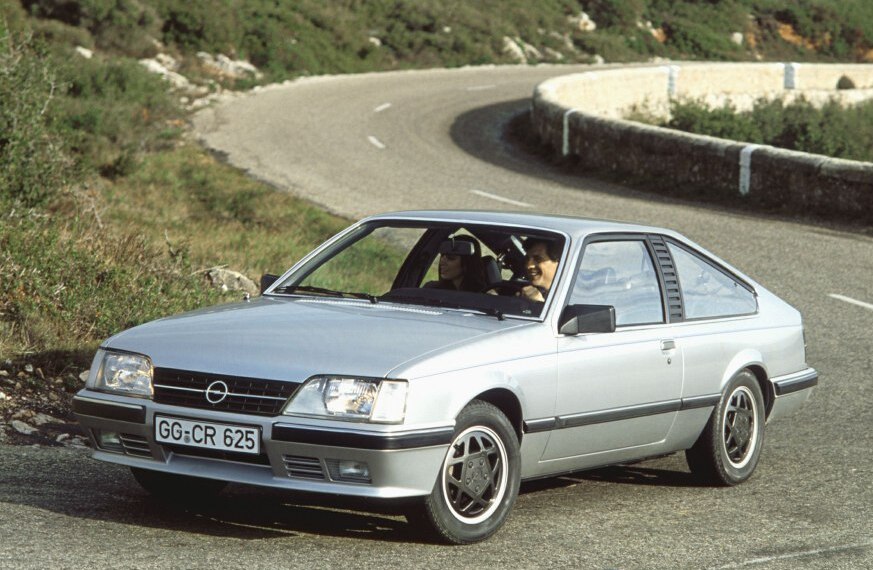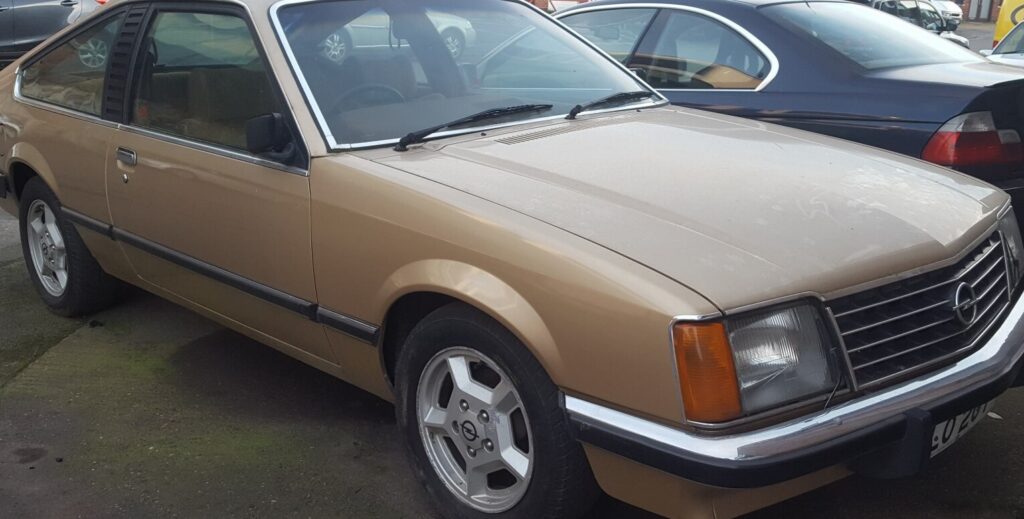
The Opel Monza A1 3.0 GSE, produced between 1978 and 1986, represents a high-performance variant of the Monza A1 coupe. Positioned as the flagship model within the Monza range, the 3.0 GSE (Grand Sport Einspritzung – Grand Sport Injection) offered a significant step up in power and refinement compared to the standard Monza models. It was a key player in Opel’s strategy to offer a sporty, yet comfortable, grand tourer aimed at buyers seeking an alternative to more established European marques. The Monza A1, built on Opel’s new ‘M’ platform, was a radical departure from the previous Commodore-based models, featuring a more aerodynamic design and a focus on driver engagement.
Technical Specifications
| Brand | Opel |
| Model | Monza |
| Generation | Monza A1 |
| Type (Engine) | 3.0 GSE (180 Hp) |
| Start of production | 1978 |
| End of production | 1986 |
| Powertrain Architecture | Internal Combustion engine |
| Body type | Coupe |
| Seats | 4 |
| Doors | 3 |
| Fuel Type | Petrol (Gasoline) |
| Acceleration 0 – 100 km/h | 8.5 sec |
| Acceleration 0 – 62 mph | 8.5 sec |
| Acceleration 0 – 60 mph | 8.1 sec |
| Maximum speed | 215 km/h (133.59 mph) |
| Weight-to-power ratio | 7.6 kg/Hp, 130.9 Hp/tonne |
| Weight-to-torque ratio | 5.7 kg/Nm, 176.7 Nm/tonne |
| Power | 180 Hp @ 5800 rpm |
| Power per litre | 60.6 Hp/l |
| Torque | 243 Nm @ 4200-4800 rpm (179.23 lb.-ft. @ 4200-4800 rpm) |
| Engine layout | Front, Longitudinal |
| Engine Model/Code | 30E |
| Engine displacement | 2969 cm3 (181.18 cu. in.) |
| Number of cylinders | 6 |
| Engine configuration | Inline |
| Cylinder Bore | 95 mm (3.74 in.) |
| Piston Stroke | 69.8 mm (2.75 in.) |
| Compression ratio | 9.4:1 |
| Number of valves per cylinder | 2 |
| Fuel injection system | Multi-port manifold injection |
| Engine aspiration | Naturally aspirated engine |
| Valvetrain | SOHC |
| Engine oil capacity | 5.5 l (5.81 US qt | 4.84 UK qt) |
| Coolant | 10.1 l (10.67 US qt | 8.89 UK qt) |
| Kerb Weight | 1375 kg (3031.36 lbs.) |
| Max. weight | 1900 kg (4188.78 lbs.) |
| Max load | 525 kg (1157.43 lbs.) |
| Trunk (boot) space – minimum | 425 l (15.01 cu. ft.) |
| Trunk (boot) space – maximum | 765 l (27.02 cu. ft.) |
| Fuel tank capacity | 70 l (18.49 US gal | 15.4 UK gal) |
| Permitted trailer load with brakes (12%) | 1700 kg (3747.86 lbs.) |
| Permitted trailer load without brakes | 700 kg (1543.24 lbs.) |
| Length | 4692 mm (184.72 in.) |
| Width | 1734 mm (68.27 in.) |
| Height | 1380 mm (54.33 in.) |
| Wheelbase | 2668 mm (105.04 in.) |
| Front track | 1443 mm (56.81 in.) |
| Rear (Back) track | 1472 mm (57.95 in.) |
| Ride height (ground clearance) | 140 mm (5.51 in.) |
| Drag coefficient (Cd) | 0.41 |
| Minimum turning circle (turning diameter) | 10.8 m (35.43 ft.) |
| Drivetrain Architecture | Rear wheel drive |
| Number of gears and type of gearbox | 4 gears, manual transmission |
| Front brakes | Ventilated discs |
| Rear brakes | Disc |
| Tires size | 195/70 R14 |
| Wheel rims size | 14 |
Powertrain & Engine Architecture
The heart of the Monza 3.0 GSE is the 30E engine, a 2.969-liter inline-six cylinder powerplant. This engine featured a single overhead camshaft (SOHC) valvetrain operating two valves per cylinder. Crucially, the ‘E’ designation signified Bosch electronic fuel injection – a multi-port system that significantly improved throttle response and fuel efficiency compared to earlier carbureted Opel engines. The 30E produced 180 horsepower at 5800 rpm and 243 Nm (179.23 lb-ft) of torque between 4200 and 4800 rpm. The engine’s longitudinal front-engine, rear-wheel-drive layout was a deliberate choice, aiming to provide a balanced and engaging driving experience. The standard transmission for the 3.0 GSE was a four-speed manual gearbox, although a three-speed automatic transmission was offered as an option, albeit less common and impacting performance.
Driving Characteristics
The Monza 3.0 GSE, equipped with the manual transmission, offered brisk acceleration. The 0-60 mph sprint was achievable in around 8.1 seconds, and it could reach a top speed of 215 km/h (133.59 mph). The engine’s torque curve provided good mid-range punch, making it a capable cruiser and overtaking machine. The rear-wheel-drive configuration contributed to a balanced feel, although it required a degree of driver skill, particularly in adverse conditions. The optional automatic transmission dulled performance somewhat, increasing the 0-60 mph time to around 9.5 seconds, but offered a more relaxed driving experience. The suspension, while comfortable, was tuned for a slightly firmer ride than the base Monza models, enhancing handling and stability.
Equipment & Trim Levels
The GSE trim level represented the highest specification available on the Monza A1. Standard features included a leather-wrapped steering wheel, upgraded cloth upholstery, and a comprehensive instrument cluster. Power windows and central locking were often included, though not always standard depending on the specific market. Optional extras included a sunroof, upgraded audio systems, and air conditioning. The interior design was functional and driver-focused, with a clear layout and good visibility. The GSE also featured distinctive exterior styling cues, such as a rear spoiler, alloy wheels, and a unique front grille.
Chassis & Braking
The Monza A1 utilized a MacPherson strut front suspension and a rigid axle rear suspension. The GSE variant typically featured a thicker front stabilizer bar compared to lower trims, further improving handling. Braking was accomplished via ventilated discs at the front and discs at the rear, providing adequate stopping power for the car’s weight and performance. The 195/70 R14 tires offered a good balance of grip and ride comfort. The chassis was designed to be relatively lightweight, contributing to the car’s agility.
Market Reception & Comparison
The Monza 3.0 GSE was generally well-received by automotive critics. It was praised for its stylish design, strong performance, and comfortable ride. However, some critics noted that the interior quality wasn’t quite on par with its more expensive rivals from BMW and Mercedes-Benz. Compared to the standard Monza models, the 3.0 GSE offered a significant performance upgrade and a more refined driving experience. Compared to the 2.8-liter Commodore GSE, the Monza offered a more modern design and a slightly more engaging driving experience. Fuel economy, even for the time, was a weakness, averaging around 18-22 mpg in mixed driving.
Legacy
The Opel Monza A1 3.0 GSE remains a sought-after classic car today. The 30E engine is known for its durability, although regular maintenance is essential. Parts availability can be a challenge, but a dedicated community of Monza enthusiasts exists to support owners. The Monza’s innovative design and strong performance have cemented its place in automotive history as a stylish and capable grand tourer. Well-maintained examples command a premium in the used car market, appealing to collectors and enthusiasts who appreciate its unique character and driving experience. The Monza’s influence can be seen in later Opel models, and it continues to be remembered as a high point in Opel’s engineering and design history.