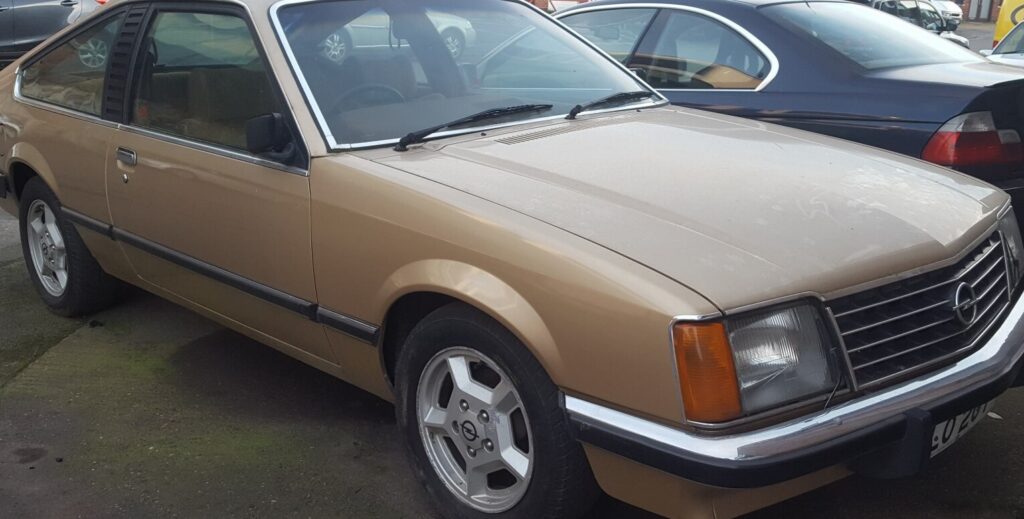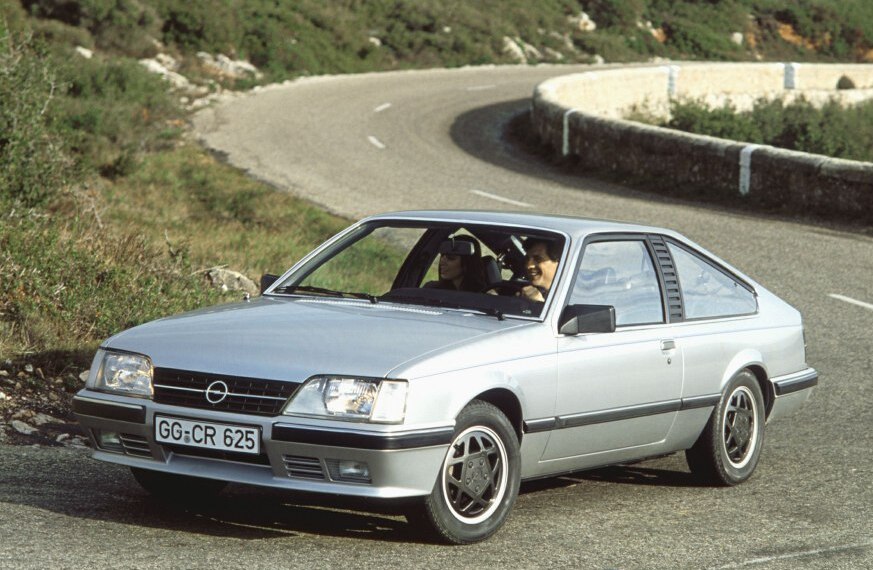
The Opel Monza A2 2.0 E, produced between 1983 and 1984, represented a refinement of the original Monza launched in 1977. Positioned as a mid-range offering within the A2 generation (1982-1986), it aimed to balance performance and fuel efficiency for the European market. The Monza, as a whole, was Opel’s flagship coupe, intended to replace the Commodore and offer a more modern, aerodynamic design. The A2 series brought subtle styling updates and mechanical improvements, with the 2.0 E variant offering a step up in power from the base 1.8 models, while remaining more accessible than the range-topping 2.3E or the later GSi models. It was a key player in Opel’s attempt to compete with rivals like the Ford Cougar and BMW 6 Series.
Technical Specifications
| Brand | Opel |
| Model | Monza |
| Generation | Monza A2 |
| Type (Engine) | 2.0 E (115 Hp) |
| Start of production | 1983 |
| End of production | 1984 |
| Powertrain Architecture | Internal Combustion engine |
| Body type | Coupe |
| Seats | 4 |
| Doors | 3 |
| Fuel Type | Petrol (Gasoline) |
| Acceleration 0 – 100 km/h | 12.6 sec |
| Acceleration 0 – 62 mph | 12.6 sec |
| Acceleration 0 – 60 mph | 12 sec |
| Maximum speed | 185 km/h (114.95 mph) |
| Weight-to-power ratio | 11.6 kg/Hp, 86.1 Hp/tonne |
| Weight-to-torque ratio | 8.3 kg/Nm, 119.9 Nm/tonne |
| Power | 115 Hp @ 5600 rpm |
| Power per litre | 58.1 Hp/l |
| Torque | 160 Nm @ 4200 rpm (118.01 lb.-ft. @ 4200 rpm) |
| Engine Model/Code | 20E |
| Engine displacement | 1979 cm3 (120.77 cu. in.) |
| Number of cylinders | 4 |
| Engine configuration | Inline |
| Cylinder Bore | 95 mm (3.74 in.) |
| Piston Stroke | 69.8 mm (2.75 in.) |
| Compression ratio | 9.4:1 |
| Number of valves per cylinder | 2 |
| Fuel injection system | Multi-port manifold injection |
| Engine aspiration | Naturally aspirated engine |
| Valvetrain | SOHC |
| Engine oil capacity | 3.8 l (4.02 US qt | 3.34 UK qt) |
| Coolant | 8.8 l (9.3 US qt | 7.74 UK qt) |
| Kerb Weight | 1335 kg (2943.17 lbs.) |
| Max. weight | 1885 kg (4155.71 lbs.) |
| Max load | 550 kg (1212.54 lbs.) |
| Trunk (boot) space – minimum | 350 l (12.36 cu. ft.) |
| Trunk (boot) space – maximum | 746 l (26.34 cu. ft.) |
| Fuel tank capacity | 70 l (18.49 US gal | 15.4 UK gal) |
| Length | 4720 mm (185.83 in.) |
| Width | 1722 mm (67.8 in.) |
| Height | 1380 mm (54.33 in.) |
| Wheelbase | 2668 mm (105.04 in.) |
| Front track | 1447 mm (56.97 in.) |
| Rear (Back) track | 1472 mm (57.95 in.) |
| Ride height (ground clearance) | 140 mm (5.51 in.) |
| Drag coefficient (Cd) | 0.36 |
| Minimum turning circle (turning diameter) | 10.8 m (35.43 ft.) |
| Drivetrain Architecture | The Internal combustion engine (ICE) drives the rear wheels of the vehicle. |
| Drive wheel | Rear wheel drive |
| Number of gears and type of gearbox | 4 gears, manual transmission |
| Front brakes | Ventilated discs |
| Rear brakes | Disc |
Powertrain & Engine Architecture
The heart of the Monza A2 2.0 E was the 20E engine, a 1979cc inline-four cylinder unit. This engine featured a single overhead camshaft (SOHC) valvetrain operating two valves per cylinder. Crucially, it employed Bosch multi-port fuel injection, a significant upgrade over the carburetors found on earlier Monza models. This system improved fuel atomization and allowed for more precise control of the air-fuel mixture, resulting in better performance and reduced emissions. The 20E produced 115 horsepower at 5600 rpm and 160 Nm (118 lb-ft) of torque at 4200 rpm. The engine’s relatively high compression ratio of 9.4:1 contributed to its respectable power output for the time. The Monza 2.0 E was exclusively offered with a four-speed manual transmission, designed to handle the engine’s torque and provide a reasonably engaging driving experience.
Driving Characteristics
The Monza 2.0 E offered a comfortable and capable grand touring experience. While not a sports car in the truest sense, the 115 hp engine provided adequate power for relaxed cruising and overtaking. Acceleration to 60 mph took around 12 seconds, and it could reach a top speed of 185 km/h (115 mph). Compared to the 1.8-liter Monza, the 2.0 E offered a noticeable improvement in performance, particularly in mid-range acceleration. However, it lacked the outright punch of the 2.3E models. The four-speed manual transmission, while not particularly modern, was robust and provided a direct connection to the engine. The rear-wheel-drive layout contributed to balanced handling, although the Monza’s relatively heavy weight (1335 kg / 2943 lbs) meant it wasn’t as nimble as some of its competitors. The gear ratios were spaced to prioritize comfortable highway cruising over outright acceleration.
Equipment & Trim Levels
The Monza A2 2.0 E was generally well-equipped for its time, though it wasn’t as lavishly appointed as the higher-spec models. Standard features typically included cloth upholstery, a basic stereo system, and power-assisted steering. The dashboard layout was functional and driver-focused, with clear instrumentation. Optional extras included a sunroof, upgraded stereo systems, and leather upholstery. The 2.0 E trim level often served as a base for buyers who wanted more performance than the 1.8 but didn’t want to pay the premium for the 2.3E or GSi.
Chassis & Braking
The Monza A2 utilized a traditional body-on-frame construction, which contributed to its substantial weight. The suspension consisted of independent front suspension with MacPherson struts and a rigid axle rear suspension with trailing arms. The 2.0 E model typically featured ventilated disc brakes at the front and solid disc brakes at the rear, providing adequate stopping power for its weight and performance. Stabilizer bars were fitted to both the front and rear axles to reduce body roll during cornering. The ride height was relatively low, contributing to the Monza’s sleek and aerodynamic profile.
Market Reception & Comparison
The Monza A2 2.0 E was generally well-received by automotive critics as a competent and stylish coupe. It was praised for its comfortable ride, spacious interior, and improved performance compared to earlier Monza models. However, some critics noted its relatively high weight and somewhat dated technology. Compared to the 1.8-liter Monza, the 2.0 E offered a worthwhile performance upgrade, but at a slightly higher price point. The 2.3E models offered significantly more power but were considerably more expensive. Fuel economy was reasonable for the time, but not exceptional. Reliability was generally good, although the Monza’s complex fuel injection system could require occasional maintenance.
Legacy
The Opel Monza A2 2.0 E, while not the most iconic version of the Monza, remains a desirable classic car for enthusiasts. The 20E engine is known for its durability and relatively straightforward maintenance. Today, well-maintained examples are becoming increasingly rare and sought after by collectors. The Monza’s distinctive styling and comfortable driving experience continue to appeal to those who appreciate classic European coupes. Parts availability can be a challenge, but a dedicated community of Monza owners and specialists exists to provide support and assistance. The Monza, in all its iterations, represents a significant chapter in Opel’s history and a testament to the enduring appeal of the classic grand touring coupe.