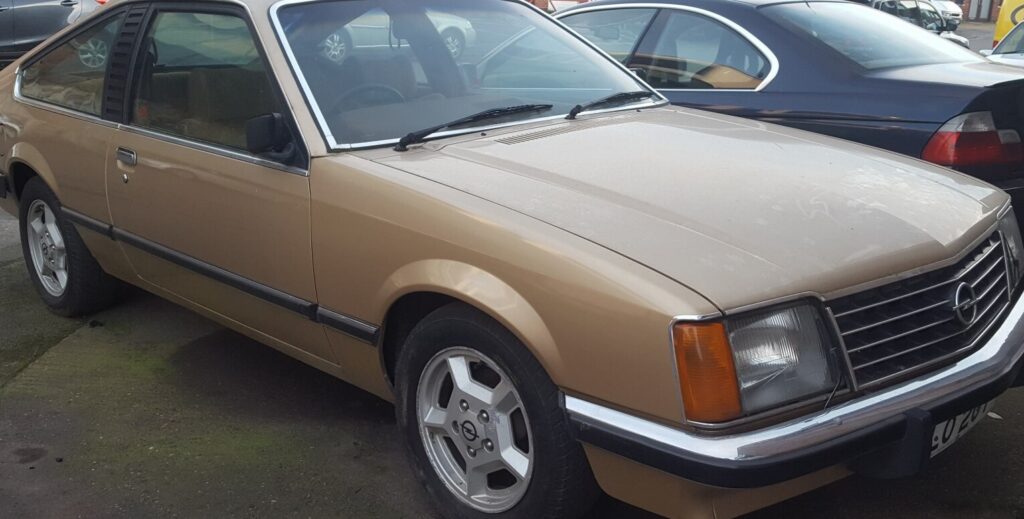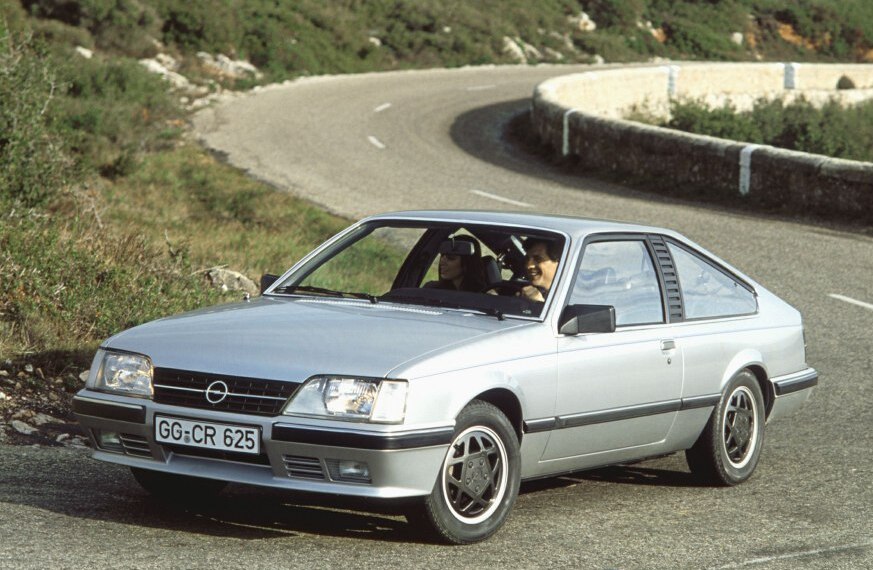
The Opel Monza A2 2.5 E, produced between 1983 and 1986, represented a significant evolution of the original Monza launched in 1977. Positioned as a premium coupe within Opel’s lineup, the A2 series aimed to blend sporting performance with a comfortable grand touring experience. This particular 2.5 E variant, boasting 136 horsepower, occupied a middle ground in the Monza range, offering a step up from the smaller displacement engines while remaining more accessible than the later, more powerful iterations. The Monza A2 was built on the GM’s ‘J’ platform, shared with other Opel and Vauxhall models, and was primarily marketed in Europe.
Technical Specifications
| Brand | Opel |
| Model | Monza |
| Generation | Monza A2 |
| Type (Engine) | 2.5 E (136 Hp) |
| Start of production | 1983 |
| End of production | 1986 |
| Powertrain Architecture | Internal Combustion engine |
| Body type | Coupe |
| Seats | 4 |
| Doors | 3 |
| Fuel Type | Petrol (Gasoline) |
| Acceleration 0 – 100 km/h | 11 sec |
| Acceleration 0 – 62 mph | 11 sec |
| Acceleration 0 – 60 mph | 10.5 sec |
| Maximum speed | 200 km/h (124.27 mph) |
| Weight-to-power ratio | 10.1 kg/Hp, 99.3 Hp/tonne |
| Weight-to-torque ratio | 7.4 kg/Nm, 135.8 Nm/tonne |
| Power | 136 Hp @ 5600 rpm |
| Power per litre | 54.6 Hp/l |
| Torque | 186 Nm @ 4600 rpm (137.19 lb.-ft. @ 4600 rpm) |
| Engine layout | Front, Longitudinal |
| Engine Model/Code | 25E |
| Engine displacement | 2490 cm3 (151.95 cu. in.) |
| Number of cylinders | 4 |
| Engine configuration | Inline |
| Number of valves per cylinder | 2 |
| Fuel injection system | Multi-port manifold injection |
| Engine aspiration | Naturally aspirated engine |
| Valvetrain | SOHC |
| Engine oil capacity | 5.5 l (5.81 US qt | 4.84 UK qt) |
| Coolant | 10.1 l (10.67 US qt | 8.89 UK qt) |
| Kerb Weight | 1370 kg (3020.33 lbs) |
| Max. weight | 1935 kg (4265.94 lbs) |
| Max load | 565 kg (1245.61 lbs) |
| Trunk (boot) space – minimum | 350 l (12.36 cu. ft.) |
| Trunk (boot) space – maximum | 746 l (26.34 cu. ft.) |
| Fuel tank capacity | 70 l (18.49 US gal | 15.4 UK gal) |
| Length | 4720 mm (185.83 in.) |
| Width | 1722 mm (67.8 in.) |
| Height | 1380 mm (54.33 in.) |
| Wheelbase | 2668 mm (105.04 in.) |
| Front track | 1447 mm (56.97 in.) |
| Rear (Back) track | 1472 mm (57.95 in.) |
| Ride height (ground clearance) | 140 mm (5.51 in.) |
| Drag coefficient (Cd) | 0.41 |
| Minimum turning circle | 10.8 m (35.43 ft.) |
| Drivetrain Architecture | Rear wheel drive |
| Number of gears | 5 gears, manual transmission |
| Front brakes | Ventilated discs |
| Rear brakes | Disc |
Powertrain & Engine Architecture
The heart of the Monza A2 2.5 E was the 25E inline-four cylinder engine, displacing 2.5 liters (2490 cc). This engine featured a single overhead camshaft (SOHC) valvetrain operating two valves per cylinder. Crucially, it employed Bosch multi-port fuel injection, a significant upgrade over the carburetors found in earlier Monza models. This system improved fuel efficiency and responsiveness. The engine produced 136 horsepower at 5600 rpm and 186 Nm (137.19 lb-ft) of torque at 4600 rpm. The engine was mounted longitudinally in the front of the vehicle, driving the rear wheels. The five-speed manual transmission was the standard offering, providing a relatively sporty driving experience. The engine code ’25E’ is key to identifying this specific variant, as it denotes the 2.5-liter displacement and fuel injection system.
Driving Characteristics
The 2.5 E Monza offered a balanced driving experience. While not as overtly sporty as some of its rivals, it provided ample power for comfortable cruising and overtaking. The 0-60 mph time of around 10.5 seconds was respectable for the era. The five-speed manual transmission allowed drivers to keep the engine in its optimal power band. Compared to the smaller 1.8 or 2.0-liter Monza variants, the 2.5 E offered noticeably more torque, making it feel less strained during acceleration and hill climbs. However, it lacked the outright performance of the later 3.0-liter or GSi models. The rear-wheel-drive layout contributed to a balanced feel, although it required a degree of driver skill, particularly in adverse weather conditions.
Equipment & Trim Levels
The Monza A2 2.5 E was generally well-equipped for its time. Standard features typically included power steering, central locking, and a decent sound system. Interior upholstery was usually cloth, although leather was available as an option. The dashboard layout was functional and driver-focused, with clear instrumentation. Optional extras included electric windows, a sunroof, and upgraded audio systems. The trim level often dictated the quality of the interior materials and the availability of certain features. The 2.5 E sat in the mid-range of the Monza lineup, offering a good balance of features and price.
Chassis & Braking
The Monza A2 featured a MacPherson strut front suspension and a rigid axle rear suspension. The 2.5 E variant typically had ventilated disc brakes on the front wheels and disc brakes on the rear, providing adequate stopping power. Stabilizer bars were fitted to both the front and rear axles to reduce body roll during cornering. The chassis was relatively robust, providing a comfortable ride without being overly soft. The curb weight of 1370 kg (3020.33 lbs) was typical for a coupe of this size and era.
Market Reception & Comparison
The Opel Monza A2 2.5 E was generally well-received by automotive critics. It was praised for its comfortable ride, spacious interior, and relatively strong performance. However, some critics noted that the styling was becoming dated by the mid-1980s. Compared to rivals such as the Ford Cougar and the BMW 3-Series Coupe, the Monza offered a more affordable alternative with a focus on comfort and practicality. Fuel economy was reasonable for the time, but not exceptional. Reliability was generally good, although maintenance costs could be higher than for some more mainstream vehicles.
Legacy
The Opel Monza A2 2.5 E, while not a high-volume seller, remains a fondly remembered classic among Opel enthusiasts. The 25E engine proved to be relatively durable, and well-maintained examples are still found on the road today. In the used car market, the Monza A2 2.5 E is considered a desirable classic, particularly for those seeking a comfortable and stylish coupe from the 1980s. Parts availability can be a challenge, but a dedicated network of Opel enthusiasts and specialist suppliers exists to support owners. The Monza’s design and engineering continue to influence Opel’s styling and technology to this day, cementing its place in automotive history.