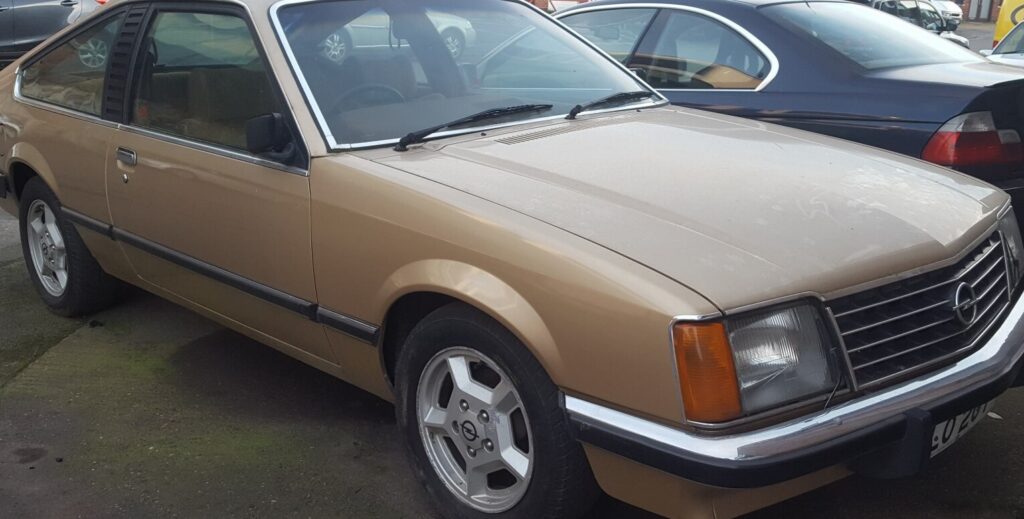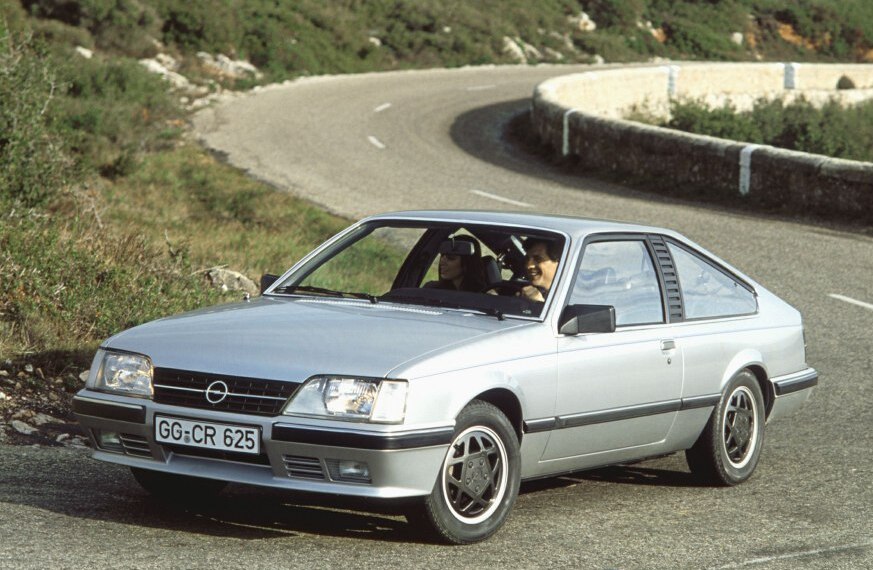
The Opel Monza A2 2.5 E, produced between 1984 and 1986, represented a refinement of the original Monza launched in 1977. Positioned as a sporty coupe within Opel’s lineup, the A2 series brought updated styling and mechanical improvements. The 2.5 E variant, equipped with a 2.5-liter inline-four engine producing 140 horsepower, occupied a mid-range position within the Monza A2 range, offering a balance between performance and affordability. It was a key model in Opel’s attempt to capture a segment of the European market seeking a stylish, comfortable, and relatively powerful grand tourer. The Monza, in general, was Opel’s flagship coupe, intended to replace the Commodore and offer a more modern alternative.
Technical Specifications
| Brand | Opel |
| Model | Monza |
| Generation | Monza A2 |
| Type (Engine) | 2.5 E (140 Hp) |
| Start of production | 1984 |
| End of production | 1986 |
| Powertrain Architecture | Internal Combustion engine |
| Body type | Coupe |
| Seats | 4 |
| Doors | 3 |
| Fuel Type | Petrol (Gasoline) |
| Acceleration 0 – 100 km/h | 10.5 sec |
| Acceleration 0 – 62 mph | 10.5 sec |
| Acceleration 0 – 60 mph | 10 sec |
| Maximum speed | 202 km/h (125.52 mph) |
| Weight-to-power ratio | 9.8 kg/Hp, 102.2 Hp/tonne |
| Weight-to-torque ratio | 6.7 kg/Nm, 149.6 Nm/tonne |
| Power | 140 Hp @ 5200 rpm |
| Power per litre | 56.2 Hp/l |
| Torque | 205 Nm @ 4000 rpm (151.2 lb.-ft. @ 4000 rpm) |
| Engine Model/Code | 25E |
| Engine displacement | 2490 cm3 (151.95 cu. in.) |
| Number of cylinders | 4 |
| Engine configuration | Inline |
| Number of valves per cylinder | 2 |
| Fuel injection system | Multi-port manifold injection |
| Engine aspiration | Naturally aspirated engine |
| Valvetrain | SOHC |
| Engine oil capacity | 5.5 l (5.81 US qt | 4.84 UK qt) |
| Coolant | 10.1 l (10.67 US qt | 8.89 UK qt) |
| Kerb Weight | 1370 kg (3020.33 lbs) |
| Max. weight | 1935 kg (4265.94 lbs) |
| Max load | 565 kg (1245.61 lbs) |
| Trunk (boot) space – minimum | 350 l (12.36 cu. ft.) |
| Trunk (boot) space – maximum | 746 l (26.34 cu. ft.) |
| Fuel tank capacity | 70 l (18.49 US gal | 15.4 UK gal) |
| Length | 4720 mm (185.83 in) |
| Width | 1722 mm (67.8 in) |
| Height | 1380 mm (54.33 in) |
| Wheelbase | 2668 mm (105.04 in) |
| Front track | 1447 mm (56.97 in) |
| Rear (Back) track | 1472 mm (57.95 in) |
| Ride height (ground clearance) | 140 mm (5.51 in) |
| Drag coefficient (Cd) | 0.36 |
| Minimum turning circle | 10.8 m (35.43 ft) |
| Drivetrain Architecture | Rear wheel drive |
| Number of gears | 5 gears, manual transmission |
| Front brakes | Ventilated discs |
| Rear brakes | Disc |
Powertrain & Engine Architecture
The heart of the Monza A2 2.5 E was the 25E engine, a 2.5-liter (2490 cc) inline-four cylinder powerplant. This engine featured a single overhead camshaft (SOHC) valvetrain operating two valves per cylinder. Crucially, it employed Bosch multi-port fuel injection, a significant upgrade over earlier carburetor-equipped Monzas, contributing to improved fuel efficiency and smoother power delivery. The 25E produced 140 horsepower at 5200 rpm and 205 Nm (151.2 lb-ft) of torque at 4000 rpm. The engine’s design prioritized reliability and usability over outright performance. The Monza A2 2.5 E was exclusively offered with a five-speed manual transmission, providing drivers with full control over the engine’s power band. This transmission was known for its robust construction and precise shift feel.
Driving Characteristics
The 2.5 E Monza offered a comfortable and capable driving experience. While not a sports car in the purest sense, the 140 hp engine provided adequate power for relaxed cruising and overtaking maneuvers. The five-speed manual transmission allowed drivers to keep the engine in its optimal power range. Acceleration from 0 to 60 mph took around 10 seconds, and the car could reach a top speed of 125.52 mph. Compared to the more powerful Monza GSE models, the 2.5 E felt less urgent in its acceleration, but it offered a more forgiving and accessible driving experience. The rear-wheel-drive layout provided a balanced feel, although it lacked the handling precision of more modern chassis designs. The suspension was tuned for comfort, absorbing bumps and imperfections in the road effectively.
Equipment & Trim Levels
The Monza A2 2.5 E was generally well-equipped for its time. Standard features included power steering, central locking, and electric windows. The interior was typically trimmed with cloth upholstery, although leather was available as an option. The dashboard featured a comprehensive instrument cluster with gauges for speed, tachometer, fuel level, coolant temperature, and oil pressure. Optional extras included a sunroof, upgraded audio system, and alloy wheels. The Monza’s interior was known for its spaciousness and comfortable seating, making it a suitable vehicle for long-distance journeys.
Chassis & Braking
The Monza A2 utilized a traditional body-on-frame construction, providing a robust and durable chassis. The front suspension consisted of independent MacPherson struts, while the rear suspension employed a solid axle with trailing arms. Braking duties were handled by ventilated discs at the front and solid discs at the rear. The braking system was adequate for the car’s weight and performance, but it lacked the sophistication of more modern anti-lock braking systems (ABS). The Monza’s relatively heavy weight (1370 kg / 3020.33 lbs) contributed to its stable handling characteristics, but it also limited its agility in corners.
Market Reception & Comparison
The Monza A2 2.5 E was generally well-received by automotive critics. It was praised for its stylish design, comfortable interior, and refined engine. However, some critics noted that its performance was not as exciting as some of its rivals, such as the Ford Capri or BMW 3 Series. Compared to the higher-performance Monza GSE models, the 2.5 E offered better fuel economy and lower running costs. It also appealed to a broader range of buyers who prioritized comfort and practicality over outright speed. Reliability was generally good, although the Monza’s age and complexity meant that maintenance could be costly.
Legacy
The Opel Monza A2 2.5 E remains a popular classic car among enthusiasts. The 25E engine is known for its durability and relatively simple construction, making it easier to maintain than some of its more complex counterparts. However, finding parts can be challenging, as the Monza has been out of production for many years. Today, well-maintained examples of the Monza A2 2.5 E are sought after by collectors and enthusiasts who appreciate its classic styling, comfortable driving experience, and historical significance. The Monza represents a high point in Opel’s coupe design and engineering, and it continues to be a cherished vehicle among those who remember its heyday.