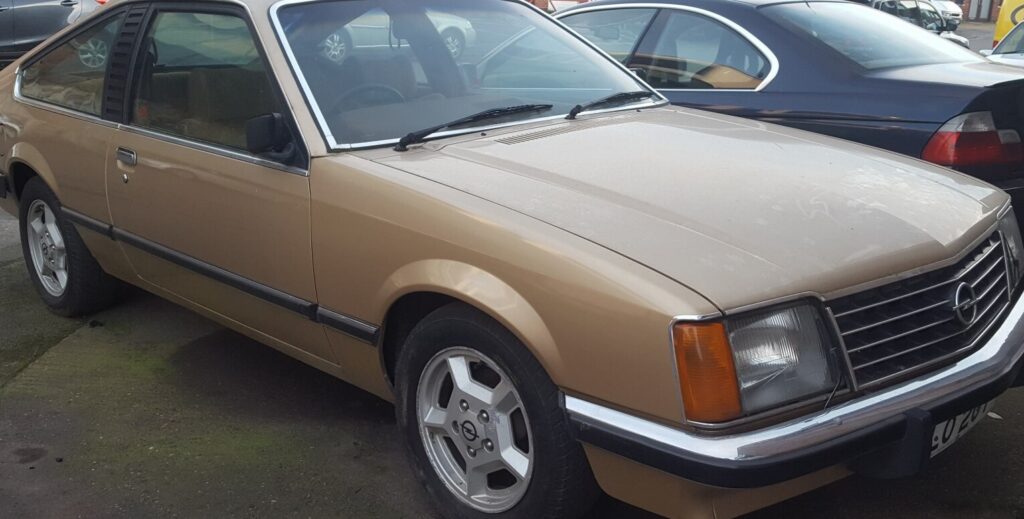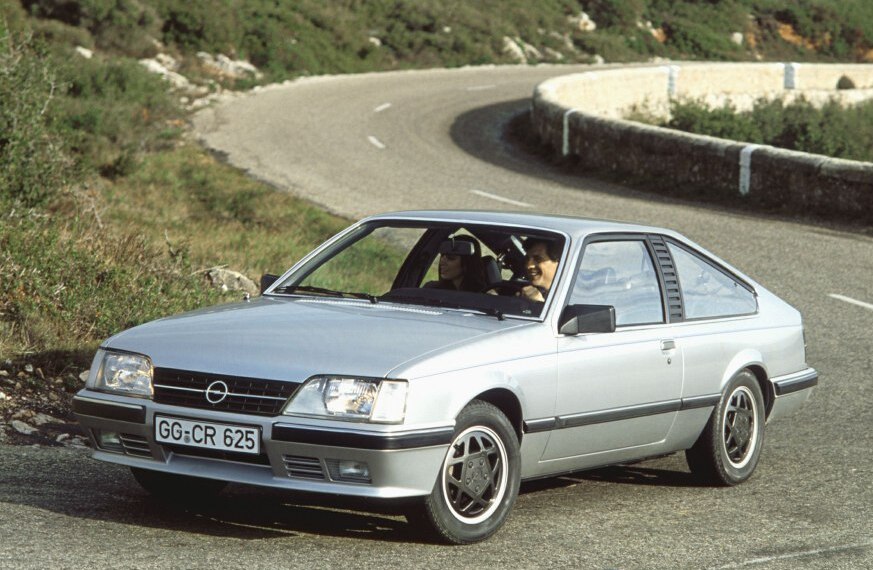
The Opel Monza A2 3.0 E, produced between 1985 and 1986, represented a high-performance variant within the second generation (A2) of the Monza coupe line. Positioned as a premium offering, it catered to drivers seeking a blend of grand touring comfort and spirited performance. The A2 Monza, launched in 1982, built upon the success of the original Monza (A1) and continued to be a flagship model for Opel, particularly in European markets. This 3.0 E model was a key part of Opel’s strategy to offer a range of engine options, appealing to a broad spectrum of buyers. It was a direct response to competitors offering similar grand touring coupes.
Technical Specifications
| Brand | Opel |
| Model | Monza |
| Generation | Monza A2 |
| Type (Engine) | 3.0 E (156 Hp) |
| Start of production | 1985 |
| End of production | 1986 |
| Powertrain Architecture | Internal Combustion engine |
| Body type | Coupe |
| Seats | 4 |
| Doors | 3 |
| Fuel Type | Petrol (Gasoline) |
| Acceleration 0 – 100 km/h | 9.5 sec |
| Acceleration 0 – 62 mph | 9.5 sec |
| Acceleration 0 – 60 mph | 9 sec |
| Maximum speed | 206 km/h / 128 mph |
| Weight-to-power ratio | 8.8 kg/Hp, 113.9 Hp/tonne |
| Weight-to-torque ratio | 6.1 kg/Nm, 165 Nm/tonne |
| Power | 156 Hp @ 5600 rpm |
| Power per litre | 52.5 Hp/l |
| Torque | 226 Nm @ 4200 rpm / 166.69 lb.-ft. @ 4200 rpm |
| Engine Model/Code | 30E |
| Engine displacement | 2969 cm3 / 181.18 cu. in. |
| Number of cylinders | 6 |
| Engine configuration | Inline |
| Number of valves per cylinder | 2 |
| Fuel injection system | Multi-port manifold injection |
| Engine aspiration | Naturally aspirated engine |
| Valvetrain | SOHC |
| Engine oil capacity | 5.5 l / 5.81 US qt | 4.84 UK qt |
| Coolant | 10.1 l / 10.67 US qt | 8.89 UK qt |
| Kerb Weight | 1370 kg / 3020.33 lbs |
| Max. weight | 1935 kg / 4265.94 lbs |
| Max load | 565 kg / 1245.61 lbs |
| Trunk (boot) space – minimum | 350 l / 12.36 cu. ft |
| Trunk (boot) space – maximum | 746 l / 26.34 cu. ft |
| Fuel tank capacity | 70 l / 18.49 US gal | 15.4 UK gal |
| Permitted trailer load with brakes (12%) | 1700 kg / 3747.86 lbs |
| Permitted trailer load without brakes | 700 kg / 1543.24 lbs |
| Length | 4720 mm / 185.83 in |
| Width | 1722 mm / 67.8 in |
| Height | 1380 mm / 54.33 in |
| Wheelbase | 2668 mm / 105.04 in |
| Front track | 1447 mm / 56.97 in |
| Rear (Back) track | 1472 mm / 57.95 in |
| Ride height (ground clearance) | 140 mm / 5.51 in |
| Drag coefficient (Cd) | 0.36 |
| Minimum turning circle (turning diameter) | 10.8 m / 35.43 ft |
| Drivetrain Architecture | The Internal combustion engine (ICE) drives the rear wheels of the vehicle. |
| Drive wheel | Rear wheel drive |
| Number of gears and type of gearbox | 5 gears, manual transmission |
| Front brakes | Ventilated discs |
| Rear brakes | Disc |
| Tires size | 195/70 R14 |
| Wheel rims size | 14 |
Powertrain & Engine Architecture
The heart of the Monza A2 3.0 E was the 30E inline-six engine, displacing 2,969 cc (181.18 cubic inches). This engine was a development of Opel’s long-running six-cylinder family, known for its smoothness and durability. It featured a single overhead camshaft (SOHC) valvetrain operating two valves per cylinder. The engine utilized Bosch multi-port fuel injection, a significant upgrade over earlier carbureted versions, contributing to improved fuel efficiency and throttle response. The 30E produced 156 horsepower at 5,600 rpm and 226 Nm (166.69 lb-ft) of torque at 4,200 rpm. The engine’s design prioritized low-end and mid-range torque, making it well-suited for relaxed highway cruising and effortless overtaking. The engine was paired with a robust, fully synchronized five-speed manual transmission, delivering power to the rear wheels.
Driving Characteristics
The Monza A2 3.0 E offered a distinctly grand touring experience. While not a sports car in the modern sense, the 156 hp engine provided ample power for comfortable and confident driving. Acceleration from 0 to 60 mph took approximately 9 seconds, and it could achieve a top speed of 128 mph. The five-speed manual transmission allowed drivers to keep the engine in its optimal power band, while the rear-wheel drive configuration provided a balanced and engaging driving experience. Compared to the lower-powered 1.8 and 2.0-liter versions of the Monza, the 3.0 E offered significantly more performance. It also felt more refined and capable than the diesel options. However, it wasn’t as overtly sporty as some of its competitors, like the BMW 6 Series or Porsche 924.
Equipment & Trim Levels
The 3.0 E trim level was well-equipped for its time. Standard features typically included power windows, central locking, a high-quality stereo system, and comfortable cloth upholstery. Leather upholstery was often available as an option. The interior design was characterized by a functional and elegant layout, with a focus on driver comfort. Optional extras included a sunroof, air conditioning, and upgraded sound systems. The Monza A2 generally featured a well-appointed cabin, reflecting its positioning as a premium coupe.
Chassis & Braking
The Monza A2 utilized a traditional body-on-frame construction, providing a robust and durable chassis. The suspension consisted of independent front suspension with MacPherson struts and a rigid rear axle with coil springs. The 3.0 E model typically featured a thicker front stabilizer bar compared to lower-spec versions, improving handling and reducing body roll. Braking was handled by ventilated discs at the front and solid discs at the rear, providing adequate stopping power for the vehicle’s weight and performance. The 195/70 R14 tires offered a good balance of grip and ride comfort.
Market Reception & Comparison
The Opel Monza A2 3.0 E was generally well-received by automotive critics. It was praised for its smooth engine, comfortable ride, and spacious interior. However, some critics noted that its styling was becoming dated by the mid-1980s. Compared to other trims in the Monza lineup, the 3.0 E offered a significant performance upgrade, but it also came with a higher price tag. Fuel economy was reasonable for a vehicle of its size and performance, but it wasn’t as efficient as the smaller-engined models. Reliability was generally good, although maintenance costs could be higher due to the complexity of the inline-six engine.
Legacy
The Opel Monza A2 3.0 E remains a sought-after classic car today, particularly among enthusiasts of 1980s European coupes. The 30E engine is known for its durability and relatively straightforward maintenance. However, finding parts can sometimes be challenging. Well-maintained examples command a premium in the used car market. The Monza A2, and particularly the 3.0 E variant, represents a significant chapter in Opel’s history, showcasing the brand’s engineering prowess and commitment to building stylish and capable grand touring cars. It’s remembered as a comfortable, refined, and relatively rare coupe that offered a unique driving experience.