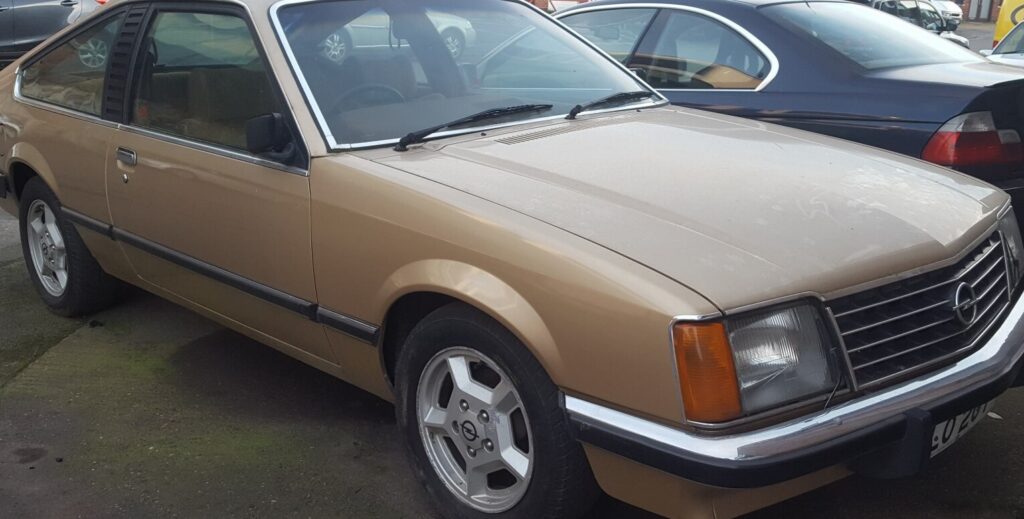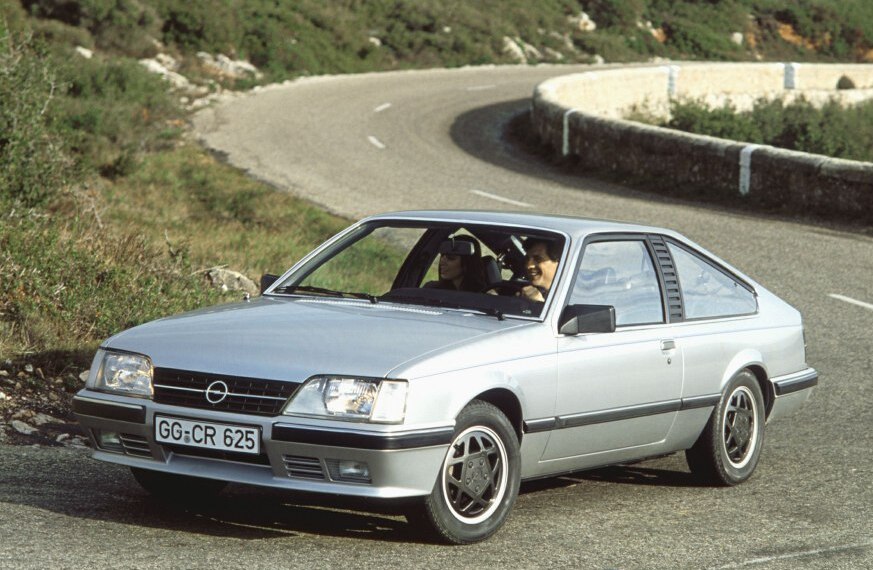
The Opel Monza A2 3.0 E, produced between 1983 and 1986, represented the pinnacle of the Monza model line. Positioned as the high-performance variant of the A2 generation (1982-1986), it offered a significant step up in power and refinement compared to the earlier 2.0 and 2.3-liter models. The Monza, in general, was Opel’s flagship coupe, intended to replace the Commodore and Diplomat, offering a more modern and sporty alternative. The A2 series brought updated styling and mechanical improvements, with the 3.0 E serving as the range-topping model, appealing to drivers seeking a grand touring experience with genuine performance.
Technical Specifications
| Brand | Opel |
| Model | Monza |
| Generation | Monza A2 |
| Type (Engine) | 3.0 E (180 Hp) |
| Start of production | 1983 |
| End of production | 1986 |
| Powertrain Architecture | Internal Combustion engine |
| Body type | Coupe |
| Seats | 4 |
| Doors | 3 |
| Fuel Type | Petrol (Gasoline) |
| Acceleration 0 – 100 km/h | 8.5 sec |
| Acceleration 0 – 62 mph | 8.5 sec |
| Acceleration 0 – 60 mph | 8.1 sec |
| Maximum speed | 215 km/h (133.59 mph) |
| Weight-to-power ratio | 7.6 kg/Hp, 131.4 Hp/tonne |
| Weight-to-torque ratio | 5.5 kg/Nm, 181 Nm/tonne |
| Power | 180 Hp @ 5800 rpm |
| Power per litre | 60.6 Hp/l |
| Torque | 248 Nm @ 4200-4800 rpm (182.92 lb.-ft. @ 4200-4800 rpm) |
| Engine layout | Front, Longitudinal |
| Engine Model/Code | 30E |
| Engine displacement | 2969 cm3 (181.18 cu. in.) |
| Number of cylinders | 6 |
| Engine configuration | Inline |
| Cylinder Bore | 95 mm (3.74 in.) |
| Piston Stroke | 69.8 mm (2.75 in.) |
| Compression ratio | 9.4:1 |
| Number of valves per cylinder | 2 |
| Fuel injection system | Multi-port manifold injection |
| Engine aspiration | Naturally aspirated engine |
| Valvetrain | SOHC |
| Engine oil capacity | 5.5 l (5.81 US qt | 4.84 UK qt) |
| Coolant | 10.1 l (10.67 US qt | 8.89 UK qt) |
| Kerb Weight | 1370 kg (3020.33 lbs.) |
| Max. weight | 1935 kg (4265.94 lbs.) |
| Max load | 565 kg (1245.61 lbs.) |
| Trunk (boot) space – minimum | 350 l (12.36 cu. ft.) |
| Trunk (boot) space – maximum | 746 l (26.34 cu. ft.) |
| Fuel tank capacity | 70 l (18.49 US gal | 15.4 UK gal) |
| Permitted trailer load with brakes (12%) | 1700 kg (3747.86 lbs.) |
| Permitted trailer load without brakes | 700 kg (1543.24 lbs.) |
| Length | 4720 mm (185.83 in.) |
| Width | 1722 mm (67.8 in.) |
| Height | 1380 mm (54.33 in.) |
| Wheelbase | 2668 mm (105.04 in.) |
| Front track | 1447 mm (56.97 in.) |
| Rear (Back) track | 1472 mm (57.95 in.) |
| Ride height (ground clearance) | 140 mm (5.51 in.) |
| Drag coefficient (Cd) | 0.36 |
| Minimum turning circle (turning diameter) | 10.8 m (35.43 ft.) |
| Drivetrain Architecture | The Internal combustion engine (ICE) drives the rear wheels of the vehicle. |
| Drive wheel | Rear wheel drive |
| Number of gears and type of gearbox | 5 gears, manual transmission |
| Front brakes | Ventilated discs |
| Rear brakes | Disc |
| Tires size | 195/70 R14 |
| Wheel rims size | 14 |
INTRODUCTION
The Opel Monza A2 3.0 E, produced from 1983 to 1986, was the flagship of the Monza range. Building upon the A2 series updates introduced in 1982, the 3.0 E offered a substantial performance upgrade over the earlier 2.0 and 2.3-liter versions. The Monza itself was conceived as a replacement for the Commodore and Diplomat, aiming to provide a more contemporary and sporty coupe experience. The A2 generation, and particularly the 3.0 E, sought to blend grand touring comfort with respectable performance, appealing to buyers who desired a stylish and capable vehicle for long-distance driving.
Powertrain & Engine Architecture
The heart of the Monza 3.0 E is the 30E inline-six engine, displacing 2,969 cc (181.18 cubic inches). This engine is a naturally aspirated, single overhead camshaft (SOHC) design, featuring two valves per cylinder. The 30E benefitted from Bosch multi-port fuel injection, a significant advancement over the carburetors used in earlier Monza models. This system contributed to improved fuel efficiency and throttle response. The engine produced 180 horsepower at 5,800 rpm and 248 Nm (182.92 lb-ft) of torque between 4,200 and 4,800 rpm. The engine’s longitudinal mounting and rear-wheel drive configuration were hallmarks of traditional European sports coupes. The standard transmission was a five-speed manual, although a three-speed automatic was also available, albeit less common and impacting performance. The engine oil capacity is 5.5 liters (5.81 US qt | 4.84 UK qt) and requires a specification that was standard for the period.
Driving Characteristics
The Monza 3.0 E, equipped with the five-speed manual transmission, offered a genuinely engaging driving experience. Acceleration to 60 mph was achieved in approximately 8.1 seconds, with a top speed of 215 km/h (133.59 mph). The inline-six engine delivered a smooth and linear power delivery, making it well-suited for effortless cruising on the Autobahn or winding country roads. The rear-wheel drive layout provided a balanced feel, although the Monza’s relatively long wheelbase and weight distribution meant it wasn’t as nimble as some smaller sports coupes. The automatic transmission version, while offering convenience, noticeably dulled the car’s performance, increasing acceleration times and reducing overall responsiveness. Gear ratios were tailored for a balance between acceleration and fuel economy, with the fifth gear acting as an overdrive for comfortable high-speed cruising.
Equipment & Trim Levels
The 3.0 E was the most well-equipped version of the Monza A2. Standard features included power windows, central locking, and a high-quality stereo system. The interior typically featured velour upholstery, with options for leather available. The dashboard layout was functional and driver-focused, with clear instrumentation. Optional extras included a sunroof, air conditioning, and upgraded sound systems. The 3.0 E also benefitted from improved sound insulation compared to lower-spec models, enhancing the overall refinement of the driving experience. Exterior features included distinctive alloy wheels and a subtle rear spoiler.
Chassis & Braking
The Monza A2 utilized a MacPherson strut front suspension and a rigid axle rear suspension. The 3.0 E benefitted from a slightly stiffer suspension setup compared to the lower-spec models, improving handling and stability. Braking was handled by ventilated discs at the front and solid discs at the rear. The braking system was generally considered adequate for the car’s performance, although it lacked the sophistication of more modern systems. The 195/70 R14 tires provided reasonable grip, but were not particularly wide by contemporary standards. The Monza’s weight of 1370 kg (3020.33 lbs) contributed to its stable handling characteristics, but also limited its agility.
Market Reception & Comparison
The Monza 3.0 E was generally well-received by automotive critics, who praised its smooth engine, comfortable ride, and stylish design. However, some critics noted its relatively high price and its somewhat dated interior compared to more modern rivals. Compared to the 2.0 and 2.3-liter Monza models, the 3.0 E offered a significant performance advantage, but at a higher cost. The 3.0 E also competed with other grand touring coupes of the era, such as the Ford Capri and BMW 6 Series. While the Monza offered a compelling combination of performance and value, it often lacked the prestige and brand recognition of its German rivals. Fuel economy was reasonable for a car of its size and performance, but not exceptional.
Legacy
The Opel Monza 3.0 E remains a popular classic car among enthusiasts. The inline-six engine is known for its durability and relatively straightforward maintenance. However, like any classic car, the Monza requires regular maintenance and attention to prevent corrosion. Parts availability can be a challenge, but a dedicated network of Opel enthusiasts and specialist suppliers exists. The Monza 3.0 E is increasingly sought after by collectors, and well-maintained examples are appreciating in value. Its blend of classic styling, comfortable ride, and respectable performance continues to appeal to drivers who appreciate a taste of 1980s grand touring.