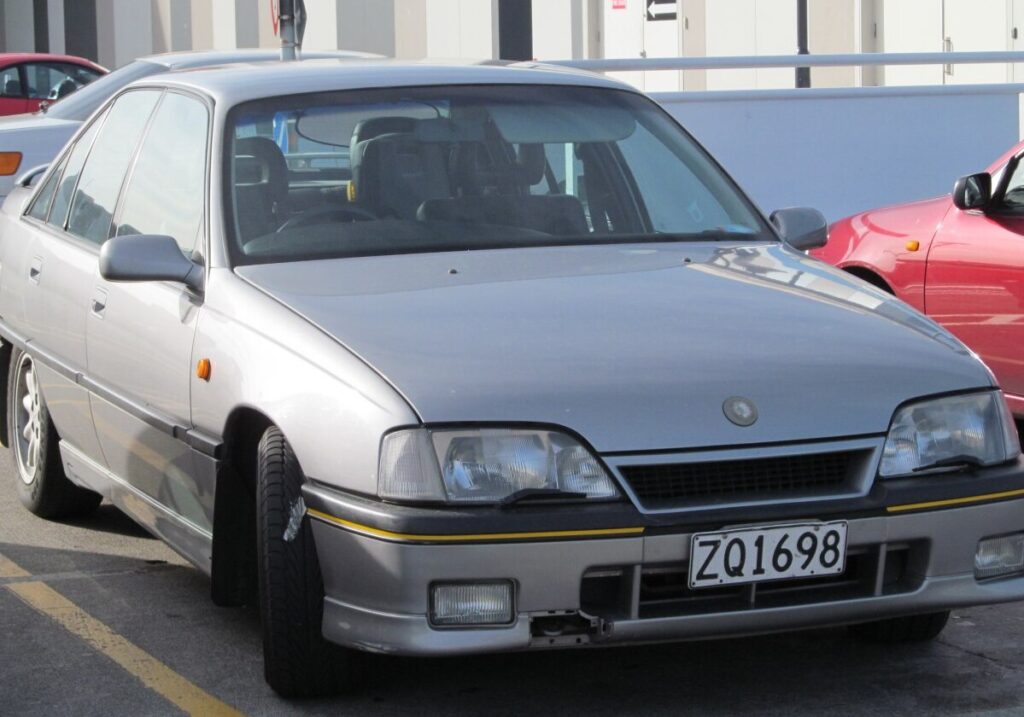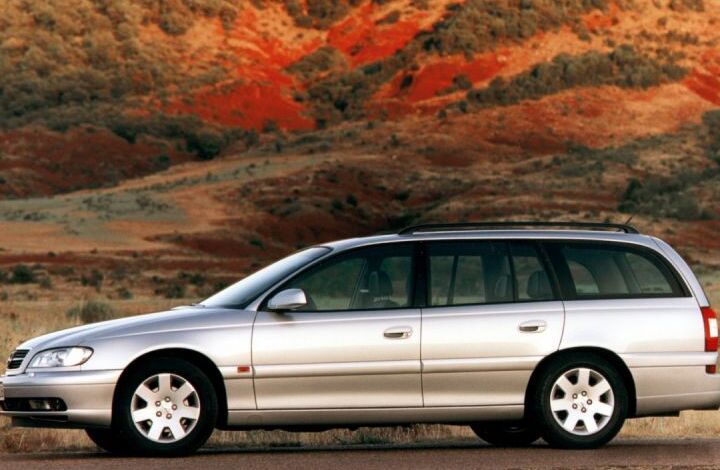
The Opel Omega B Caravan (facelift, 1999) 2.0 DTI 16V, producing 101 horsepower, was a station wagon positioned as a practical, fuel-efficient option within the Omega B range. Introduced in October 1999 and remaining in production until June 2000, this variant represented a diesel-powered alternative aimed at buyers prioritizing economy and load-carrying capacity over outright performance. It was part of the larger Omega B generation (1994-2003), which itself was based on the GM Epsilon platform, shared with other vehicles like the Saab 9-5 and Vectra.
The 2.0 DTI 16V Engine and Powertrain
The heart of this Omega variant was the X20DTH, a 2.0-liter, four-cylinder diesel engine. This engine was a direct injection, turbocharged diesel featuring 16 valves and a common rail fuel injection system. The 1995 cc engine produced 101 hp at 4300 rpm and 205 Nm (151.2 lb-ft) of torque at 1650 rpm. This torque figure, available at relatively low engine speeds, was a key characteristic of the engine, providing good usability for everyday driving and towing. The engine’s bore and stroke measured 84 mm x 90 mm, respectively, and it featured a compression ratio of 18.5:1. The engine oil capacity was 5.5 liters (5.81 US quarts / 4.84 UK quarts) and required a specification adhering to Opel’s standards for the period.
Unlike some of its gasoline-powered siblings, the 2.0 DTI 16V was exclusively offered with a five-speed manual transmission. This was a deliberate choice, as the engine’s torque characteristics made it well-suited to a manual gearbox, and an automatic transmission was not available for this specific engine/trim combination. The powertrain layout was longitudinal, with the engine positioned at the front of the vehicle, driving the rear wheels.
Fuel Injection and Valvetrain
The X20DTH engine utilized a diesel common rail fuel injection system, a significant advancement over earlier diesel injection technologies. This system allowed for more precise fuel delivery, resulting in improved combustion efficiency, reduced noise, and lower emissions. The engine employed an Overhead Camshaft (OHC) valvetrain, operating four valves per cylinder. This configuration contributed to the engine’s relatively high power output for its displacement.
Driving Characteristics
The 2.0 DTI 16V Omega Caravan offered a distinctly different driving experience compared to the higher-powered gasoline variants, such as the 2.5 V6 or 3.0 V6 models. Acceleration was modest, taking approximately 16 seconds to reach 100 km/h (62 mph) and 15.2 seconds to reach 60 mph. The top speed was limited to 180 km/h (111.85 mph). However, the engine’s strong low-end torque made it feel more responsive in everyday driving situations, particularly when overtaking or climbing hills. The five-speed manual transmission allowed drivers to keep the engine in its optimal power band. While not a sporty vehicle, the 2.0 DTI 16V provided a comfortable and relaxed driving experience, prioritizing fuel efficiency and practicality.
The rear-wheel-drive configuration contributed to balanced handling, although the relatively high kerb weight of 1660 kg (3659.67 lbs) meant that it wasn’t particularly agile. The suspension, consisting of coil springs at both the front and rear, provided a comfortable ride, but wasn’t tuned for aggressive cornering.
Equipment and Trim Levels
The 2.0 DTI 16V Omega Caravan was typically equipped with a reasonable level of standard features, reflecting its position as a mid-range offering. Standard equipment generally included power windows, central locking, power steering, and an anti-lock braking system (ABS). Interior upholstery was typically cloth, and the dashboard featured a functional, if somewhat understated, design. Optional extras could include air conditioning, a sunroof, upgraded audio systems, and alloy wheels. The facelifted 1999 models benefited from minor interior and exterior styling updates compared to earlier Omega B Caravans.
Chassis and Braking
The Omega B Caravan’s chassis was designed to accommodate a range of engines and body styles. The 2.0 DTI 16V variant featured disc brakes on all four wheels, providing adequate stopping power for its weight and performance. The front suspension utilized coil springs, while the rear suspension also employed coil springs. Stabilizer bars were fitted to both the front and rear axles to reduce body roll during cornering. Tire size was typically 195/65 R15, mounted on 6J x 15 inch steel or alloy wheels. The steering system was a hydraulic power-assisted worm-reduction unit.
Market Reception and Comparison
The 2.0 DTI 16V Omega Caravan was generally well-received by critics as a practical and economical estate car. It offered a compelling alternative to other diesel-powered wagons in its class, such as the Ford Mondeo Estate and Volkswagen Passat Estate. Fuel economy was a key strength, with combined fuel consumption figures of around 9.3 l/100 km (25.3 US mpg / 30.4 UK mpg) in urban driving and 5.6 l/100 km (42 US mpg / 50.4 UK mpg) on the open road. Reliability was generally good, although, like all diesel engines, it was susceptible to issues related to the fuel injection system and turbocharger. Compared to the more powerful gasoline variants, the 2.0 DTI 16V offered significantly better fuel economy but lacked the same level of performance. It appealed to buyers who prioritized practicality, economy, and load-carrying capacity over sporty driving dynamics.
Technical Specifications
| Brand | Opel |
| Model | Omega |
| Generation | Omega B Caravan (facelift 1999) |
| Type (Engine) | 2.0 DTI 16V (101 Hp) |
| Start of production | October, 1999 |
| End of production | June, 2000 |
| Powertrain Architecture | Internal Combustion engine |
| Body type | Station wagon (estate) |
| Seats | 5 |
| Doors | 5 |
| Fuel consumption (urban) | 9.3 l/100 km (25.3 US mpg / 30.4 UK mpg) |
| Fuel consumption (extra urban) | 5.6 l/100 km (42 US mpg / 50.4 UK mpg) |
| Fuel Type | Diesel |
| Acceleration 0 – 100 km/h | 16 sec |
| Acceleration 0 – 62 mph | 16 sec |
| Acceleration 0 – 60 mph | 15.2 sec |
| Maximum speed | 180 km/h (111.85 mph) |
| Weight-to-power ratio | 16.4 kg/Hp |
| Power | 101 Hp @ 4300 rpm |
| Torque | 205 Nm @ 1650 rpm (151.2 lb.-ft. @ 1650 rpm) |
| Engine layout | Front, Longitudinal |
| Engine Model/Code | X20DTH |
| Engine displacement | 1995 cm3 (121.74 cu. in.) |
| Number of cylinders | 4 |
| Engine configuration | Inline |
| Cylinder Bore | 84 mm (3.31 in.) |
| Piston Stroke | 90 mm (3.54 in.) |
| Compression ratio | 18.5:1 |
| Number of valves per cylinder | 4 |
| Fuel injection system | Diesel Commonrail |
| Engine aspiration | Turbocharger |
| Valvetrain | OHC |
| Engine oil capacity | 5.5 l (5.81 US qt | 4.84 UK qt) |
| Coolant capacity | 7.9 l (8.35 US qt | 6.95 UK qt) |
| Kerb Weight | 1660 kg (3659.67 lbs.) |
| Max. weight | 2265 kg (4993.47 lbs.) |
| Max load | 605 kg (1333.8 lbs.) |
| Trunk (boot) space – minimum | 540 l (19.07 cu. ft.) |
| Trunk (boot) space – maximum | 1800 l (63.57 cu. ft.) |
| Fuel tank capacity | 75 l (19.81 US gal | 16.5 UK gal) |
| Length | 4898 mm (192.83 in.) |
| Width | 1776 mm (69.92 in.) |
| Height | 1540 mm (60.63 in.) |
| Wheelbase | 2730 mm (107.48 in.) |
| Drivetrain Architecture | Rear wheel drive |
| Number of gears and type of gearbox | 5 gears, manual transmission |
Legacy
The Opel Omega B Caravan 2.0 DTI 16V, while not the most sought-after variant, remains a reasonably reliable and practical used car option today. The X20DTH engine, when properly maintained, is known for its durability. Common issues include wear and tear on the turbocharger and potential problems with the fuel injection system. However, parts availability is generally good, and the relatively simple mechanical design makes it accessible for DIY repairs. The Omega B Caravan’s spacious interior and large boot continue to appeal to buyers needing a versatile family vehicle. While its age and relatively low performance mean it won’t appeal to enthusiasts, it remains a solid choice for those seeking an affordable and economical estate car.