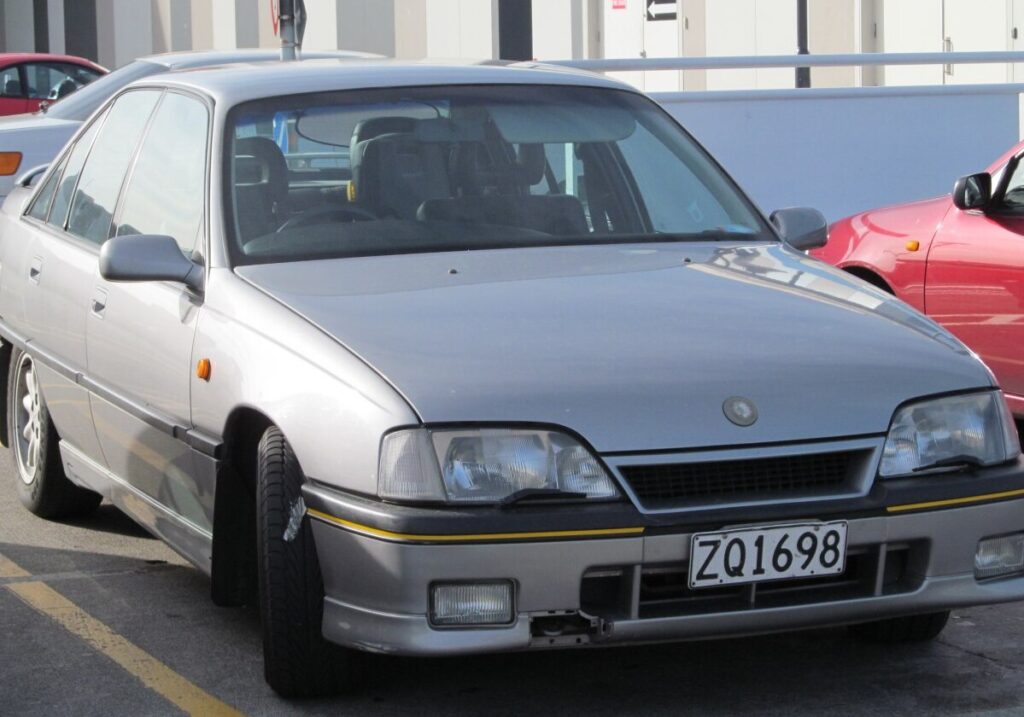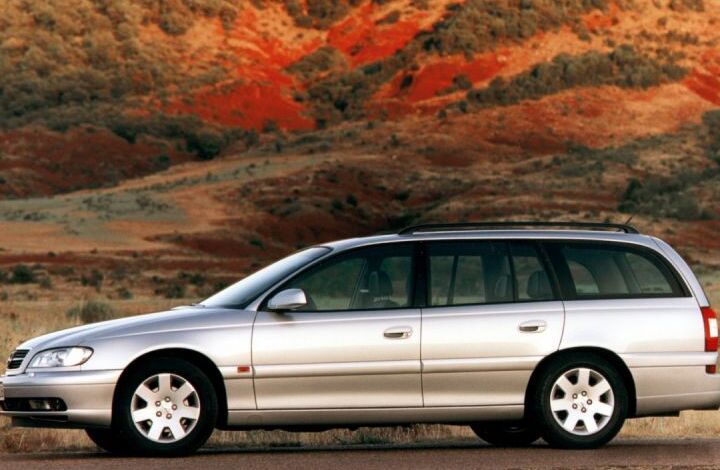
The Opel Omega B Caravan (facelift 1999) 2.5 DTI Automatic, produced from July 2001 to June 2003, represents a refined iteration of Opel’s flagship executive wagon. This variant occupied a mid-to-upper position within the Omega B range, offering a blend of practicality, comfort, and respectable performance thanks to its direct-injection diesel engine and automatic transmission. It was part of the larger Omega B generation (chassis code 1HX0/A3), which aimed to compete with vehicles like the Ford Mondeo, Volkswagen Passat, and BMW 5 Series. The facelifted model, introduced in 1999, brought cosmetic and mechanical updates, enhancing the Omega’s appeal and addressing some criticisms of the earlier B-series cars.
Powertrain & Engine Architecture
The heart of the Omega B Caravan 2.5 DTI Automatic is the Y25DT engine, a 2.5-liter inline-six cylinder diesel. This engine is characterized by its direct injection system, utilizing common rail technology for precise fuel delivery. The Y25DT produces 150 horsepower at 4000 rpm and 300 Nm (221.27 lb-ft) of torque at 1750 rpm. The engine features a double overhead camshaft (DOHC) valvetrain with four valves per cylinder, contributing to its relatively smooth operation for a diesel. A turbocharger with an intercooler is employed to boost power and improve efficiency. The engine’s displacement is 2497 cm³ (152.38 cu. in.), with a bore of 80 mm (3.15 in.) and a stroke of 82.8 mm (3.26 in.). Compression ratio is a high 17.5:1, typical for direct injection diesels.
The engine is mated to a five-speed automatic transmission. While not known for being particularly sporty, this transmission provides smooth shifts and ease of use, aligning with the Omega’s focus on comfort and long-distance cruising. The transmission is electronically controlled, adapting to driving conditions and driver input to optimize gear selection. The drivetrain is rear-wheel drive, a configuration that contributes to the Omega’s balanced handling characteristics.
Fuel Injection and Emissions
The Y25DT engine utilizes a Bosch common rail diesel injection system. This system allows for multiple injections per combustion cycle, optimizing fuel atomization and combustion efficiency. This results in improved power delivery, reduced noise, and lower emissions compared to older diesel injection technologies. The Omega B 2.5 DTI Automatic meets Euro 3 emission standards, emitting 235 g/km of CO2.
Driving Characteristics
The 2.5 DTI Automatic Omega B Caravan delivers a comfortable and relaxed driving experience. While not a performance-oriented vehicle, the 150 hp and 300 Nm of torque provide adequate power for everyday driving and highway cruising. Acceleration from 0 to 100 km/h (0-62 mph) takes approximately 11.5 seconds, and top speed is limited to 200 km/h (124.27 mph). The automatic transmission contributes to a smooth and effortless driving experience, particularly in urban environments. Compared to the manual transmission versions of the 2.5 DTI, the automatic offers less driver involvement but greater convenience. It also lags behind the more powerful Omega variants, such as the 3.0-liter V6, in terms of outright acceleration and responsiveness. However, the diesel engine’s strong low-end torque makes it well-suited for towing and carrying heavy loads.
The rear-wheel-drive layout provides a balanced feel, although it can exhibit some understeer when pushed hard. The suspension is tuned for comfort, absorbing bumps and imperfections in the road effectively. The steering is hydraulic power-assisted, offering a reasonable level of feedback.
Equipment & Trim Levels
The Omega B Caravan 2.5 DTI Automatic typically came equipped with a generous level of standard features. These included air conditioning, power windows, central locking, an anti-lock braking system (ABS), and a radio/cassette player. Higher trim levels, such as the Elegance and CD, added features like leather upholstery, alloy wheels, a sunroof, and upgraded audio systems. Optional extras included a navigation system, heated seats, and automatic climate control. Interior upholstery was typically cloth on base models, with leather available as an upgrade. The dashboard layout was functional and well-designed, with clear instrumentation and intuitive controls.
Chassis & Braking
The Omega B Caravan 2.5 DTI Automatic features a coil spring suspension system at both the front and rear. The front suspension utilizes independent coil springs, while the rear suspension employs a semi-independent coil spring setup. The braking system consists of ventilated discs at the front and solid discs at the rear. ABS is standard, providing enhanced braking performance and stability. The car rides on 6.5J x 15 or 7J x 16 inch wheels, typically fitted with 205/65 R15 or 225/55 R16 tires respectively. Stabilizer bars are fitted to both the front and rear axles to reduce body roll during cornering.
Market Reception & Comparison
The Opel Omega B Caravan 2.5 DTI Automatic was generally well-received by automotive critics. It was praised for its spacious interior, comfortable ride, and fuel efficiency. The diesel engine was considered to be refined and powerful, offering a good balance of performance and economy. Fuel consumption figures are rated at 8.7 l/100 km (27 US mpg, 32.5 UK mpg, 11.5 km/l) combined. Compared to the petrol-powered Omega variants, the 2.5 DTI Automatic offered significantly better fuel economy. However, it was criticized for its somewhat dated styling and its lack of sporting pretensions. Reliability was generally good, although some owners reported issues with the electronic systems and the automatic transmission. Compared to the 3.0-liter V6 Omega, the 2.5 DTI Automatic offered a more economical alternative, albeit with less performance.
Technical Specifications
| Brand | Opel |
| Model | Omega |
| Generation | Omega B Caravan (facelift 1999) |
| Type (Engine) | 2.5 DTI (150 Hp) Automatic |
| Start of production | July, 2001 year |
| End of production | June, 2003 year |
| Fuel consumption (economy) – urban (NEDC) | 12 l/100 km (19.6 US mpg, 23.5 UK mpg, 8.3 km/l) |
| Fuel consumption (economy) – extra urban (NEDC) | 6.8 l/100 km (34.6 US mpg, 41.5 UK mpg, 14.7 km/l) |
| Fuel consumption (economy) – combined (NEDC) | 8.7 l/100 km (27 US mpg, 32.5 UK mpg, 11.5 km/l) |
| CO2 emissions (NEDC) | 235 g/km |
| Fuel Type | Diesel |
| Acceleration 0 – 100 km/h | 11.5 sec |
| Acceleration 0 – 62 mph | 11.5 sec |
| Acceleration 0 – 60 mph | 10.9 sec |
| Maximum speed | 200 km/h (124.27 mph) |
| Emission standard | Euro 3 |
| Weight-to-power ratio | 11.1 kg/Hp, 90.5 Hp/tonne |
| Weight-to-torque ratio | 5.5 kg/Nm, 180.9 Nm/tonne |
| Power | 150 Hp @ 4000 rpm |
| Power per litre | 60.1 Hp/l |
| Torque | 300 Nm @ 1750 rpm (221.27 lb.-ft. @ 1750 rpm) |
| Engine layout | Front, Longitudinal |
| Engine Model/Code | Y25DT |
| Engine displacement | 2497 cm3 (152.38 cu. in.) |
| Number of cylinders | 6 |
| Engine configuration | Inline |
| Cylinder Bore | 80 mm (3.15 in.) |
| Piston Stroke | 82.8 mm (3.26 in.) |
| Compression ratio | 17.5:1 |
| Number of valves per cylinder | 4 |
| Fuel injection system | Diesel Commonrail |
| Engine aspiration | Turbocharger, Intercooler |
| Valvetrain | DOHC |
| Engine oil capacity | 6.5 l (6.87 US qt | 5.72 UK qt) |
| Coolant | 10.2 l (10.78 US qt | 8.97 UK qt) |
| Kerb Weight | 1658 kg (3655.26 lbs.) |
| Max. weight | 2300 kg (5070.63 lbs.) |
| Max load | 642 kg (1415.37 lbs.) |
| Trunk (boot) space – minimum | 540 l (19.07 cu. ft.) |
| Trunk (boot) space – maximum | 1800 l (63.57 cu. ft.) |
| Fuel tank capacity | 75 l (19.81 US gal | 16.5 UK gal) |
| Length | 4898 mm (192.83 in.) |
| Width | 1776 mm (69.92 in.) |
| Height | 1545 mm (60.83 in.) |
| Wheelbase | 2730 mm (107.48 in.) |
| Drivetrain Architecture | Rear wheel drive |
| Number of gears and type of gearbox | 5 gears, automatic transmission |
Legacy
The Opel Omega B Caravan 2.5 DTI Automatic, while no longer in production, remains a popular choice among enthusiasts and those seeking a spacious and comfortable estate car. The Y25DT engine, when properly maintained, is known for its durability and longevity. However, as with any older vehicle, potential buyers should be aware of the possibility of age-related issues, such as wear and tear on the suspension components and the automatic transmission. On the used car market, these Omegas are generally affordable, making them an attractive option for those seeking a practical and reliable vehicle. The combination of a diesel engine, automatic transmission, and estate body style continues to appeal to buyers who prioritize fuel efficiency, comfort, and cargo capacity.