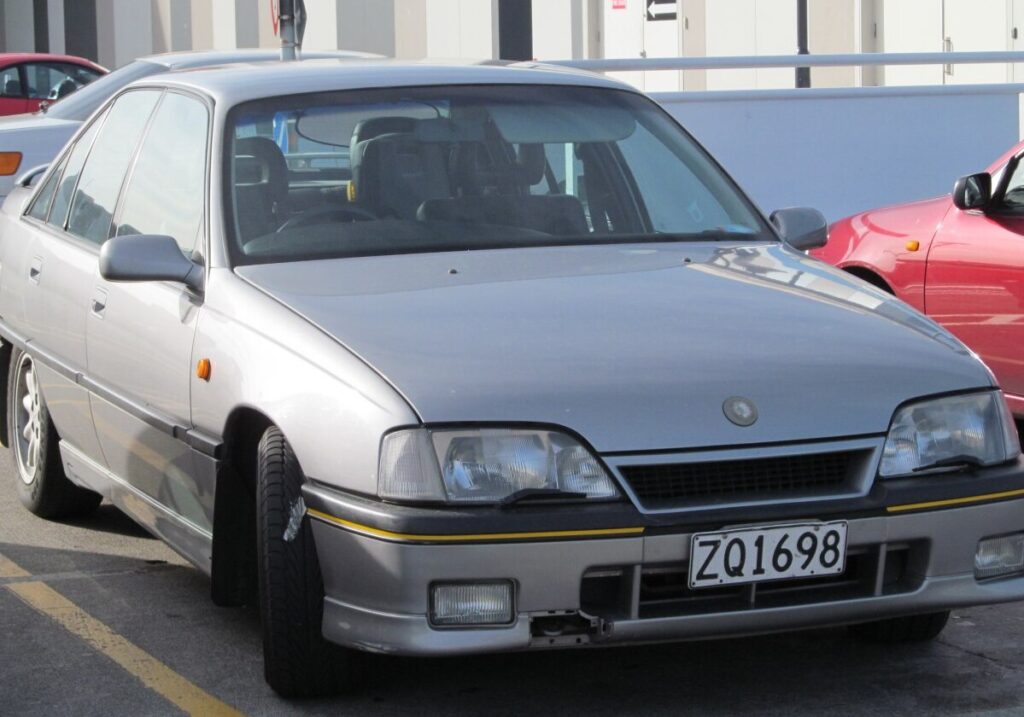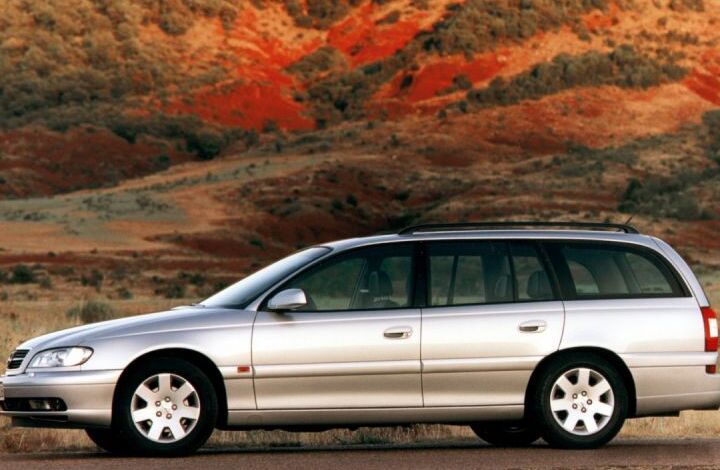
The Opel Omega B Caravan (facelift, introduced in 1999) 3.2 V6 Automatic represents the pinnacle of performance and luxury within the Omega B range. Produced from 2001 to June 2003, this variant was positioned as the premium offering in the Caravan (estate) body style. It was built on the GM Epsilon platform (internally designated 1HX0/A3), sharing its underpinnings with other GM vehicles of the era, including the Saab 9-3 and Vectra. The 3.2 V6 Automatic catered to buyers seeking a spacious, comfortable, and powerful family vehicle with a focus on long-distance cruising.
Powertrain & Engine Architecture
The heart of the Omega B Caravan 3.2 V6 is the Y32SE engine, a 3.2-liter (3175 cc) naturally aspirated V6. This engine is a 60-degree V-engine, featuring a cast iron block and aluminum cylinder heads. It produces 218 horsepower at 6000 rpm and 290 Nm (213.89 lb-ft) of torque at 3400 rpm, resulting in a power-to-liter ratio of 68.7 hp/l. The engine utilizes multi-port fuel injection and a double overhead camshaft (DOHC) valvetrain with four valves per cylinder. The Y32SE is known for its smooth power delivery and relatively robust construction.
The engine is mated to a four-speed automatic transmission. While not the most modern transmission by today’s standards, it was a reliable unit designed to handle the V6’s torque output. The transmission’s gear ratios are geared towards comfortable cruising, prioritizing smooth shifts over outright acceleration. Specific ratios were not widely published, but the focus was on keeping engine speeds low at highway velocities. Engine oil capacity is 5.75 liters (6.08 US quarts / 5.06 UK quarts), and the coolant capacity is 9.7 liters (10.25 US quarts / 8.53 UK quarts).
Engine Specifications
Key engine specifications include a compression ratio of 10:1, a cylinder bore of 87.5 mm (3.44 inches), and a piston stroke of 88 mm (3.46 inches). The engine is longitudinally mounted in the front of the vehicle, driving the rear wheels.
Driving Characteristics
The Omega B Caravan 3.2 V6 Automatic delivers a refined and comfortable driving experience. Acceleration from 0 to 100 km/h (0-62 mph) takes approximately 9.5 seconds, while 0-60 mph is achieved in around 9 seconds. Top speed is electronically limited to 232 km/h (144.16 mph). The automatic transmission provides smooth, if not particularly quick, gear changes. While the 3.2 V6 offers significantly more power than the four-cylinder options available in the Omega B range, it doesn’t feel overtly sporty. The focus is on effortless cruising and relaxed performance. Compared to a manual transmission equipped Omega, the automatic version sacrifices some responsiveness, but gains in ease of use, particularly in city driving. The weight-to-power ratio of 7.9 kg/hp and weight-to-torque ratio of 6 kg/Nm contribute to a feeling of substantial, yet manageable, power.
Equipment & Trim Levels
The 3.2 V6 Automatic variant of the Omega B Caravan was typically well-equipped, reflecting its position as the range-topping model. Standard features generally included leather upholstery, climate control, electric windows and mirrors, a premium sound system, and alloy wheels. Safety features such as ABS (Anti-lock Braking System) were also standard. Optional extras could include a sunroof, upgraded audio systems, and parking sensors. Interior trim levels varied depending on the specific market, but generally featured high-quality materials and a comfortable, spacious cabin. The dashboard layout was typical of Opel/Vauxhall designs of the period, with a focus on functionality and ease of use.
Chassis & Braking
The Omega B Caravan 3.2 V6 utilizes a coil spring suspension system at both the front and rear. The suspension is tuned for comfort, providing a smooth ride even on uneven surfaces. Front brakes are ventilated discs, while rear brakes are also ventilated discs – a feature often reserved for higher-spec models. The steering system is a hydraulic power steering setup with a worm-reduction unit. The car rides on 225/55 R16 tires mounted on 16-inch alloy wheels. Stabilizer bars are fitted to both the front and rear axles to reduce body roll during cornering. The kerb weight of the vehicle is 1733 kg (3820.61 lbs), with a maximum weight of 2305 kg (5081.66 lbs).
Market Reception & Comparison
The Opel Omega B Caravan 3.2 V6 Automatic received generally positive reviews from automotive critics. It was praised for its spacious interior, comfortable ride, and powerful engine. However, some critics noted that the automatic transmission could feel sluggish at times, and fuel economy was relatively poor. Fuel consumption figures are rated at 16.9 l/100 km (13.9 US mpg / 16.7 UK mpg / 5.9 km/l) in urban conditions, 9 l/100 km (26.1 US mpg / 31.4 UK mpg / 11.1 km/l) extra-urban, and 11.9 l/100 km (19.8 US mpg / 23.7 UK mpg / 8.4 km/l) combined. Compared to the 2.5 TDI diesel variant, the 3.2 V6 offered significantly more power but considerably worse fuel economy. The 2.2-liter four-cylinder models were more affordable but lacked the V6’s refinement and performance. The Omega B, in general, faced competition from other large family cars such as the Ford Mondeo, Volkswagen Passat, and BMW 5 Series.
Technical Specifications
| Brand | Opel |
| Model | Omega |
| Generation | Omega B Caravan (facelift 1999) |
| Type (Engine) | 3.2 V6 (218 Hp) Automatic |
| Start of production | 2001 year |
| End of production | June, 2003 year |
| Powertrain Architecture | Internal Combustion engine |
| Body type | Station wagon (estate) |
| Seats | 5 |
| Doors | 5 |
| Fuel consumption (urban) | 16.9 l/100 km (13.9 US mpg / 16.7 UK mpg / 5.9 km/l) |
| Fuel consumption (extra urban) | 9 l/100 km (26.1 US mpg / 31.4 UK mpg / 11.1 km/l) |
| Fuel consumption (combined) | 11.9 l/100 km (19.8 US mpg / 23.7 UK mpg / 8.4 km/l) |
| Fuel Type | Petrol (Gasoline) |
| Acceleration 0 – 100 km/h | 9.5 sec |
| Acceleration 0 – 62 mph | 9.5 sec |
| Acceleration 0 – 60 mph | 9 sec |
| Maximum speed | 232 km/h (144.16 mph) |
| Weight-to-power ratio | 7.9 kg/Hp |
| Weight-to-torque ratio | 6 kg/Nm |
| Power | 218 Hp @ 6000 rpm |
| Torque | 290 Nm @ 3400 rpm (213.89 lb.-ft. @ 3400 rpm) |
| Engine layout | Front, Longitudinal |
| Engine Model/Code | Y32SE |
| Engine displacement | 3175 cm3 (193.75 cu. in.) |
| Number of cylinders | 6 |
| Engine configuration | V-engine |
| Cylinder Bore | 87.5 mm (3.44 in.) |
| Piston Stroke | 88 mm (3.46 in.) |
| Compression ratio | 10:1 |
| Number of valves per cylinder | 4 |
| Fuel injection system | Multi-port manifold injection |
| Engine aspiration | Naturally aspirated engine |
| Valvetrain | DOHC |
| Engine oil capacity | 5.75 l (6.08 US qt | 5.06 UK qt) |
| Coolant | 9.7 l (10.25 US qt | 8.53 UK qt) |
| Kerb Weight | 1733 kg (3820.61 lbs.) |
| Max. weight | 2305 kg (5081.66 lbs.) |
| Max load | 572 kg (1261.04 lbs.) |
| Trunk (boot) space – minimum | 540 l (19.07 cu. ft.) |
| Trunk (boot) space – maximum | 1800 l (63.57 cu. ft.) |
| Fuel tank capacity | 75 l (19.81 US gal | 16.5 UK gal) |
| Length | 4898 mm (192.83 in.) |
| Width | 1776 mm (69.92 in.) |
| Height | 1540 mm (60.63 in.) |
| Wheelbase | 2730 mm (107.48 in.) |
| Front track | 1514 mm (59.61 in.) |
| Rear (Back) track | 1530 mm (60.24 in.) |
| Drivetrain Architecture | Rear wheel drive |
| Number of gears and type of gearbox | 4 gears, automatic transmission |
| Front suspension | Coil spring |
| Rear suspension | Coil spring |
| Front brakes | Ventilated discs |
| Rear brakes | Ventilated discs |
| Tires size | 225/55 R16 |
| Wheel rims size | 16 |
Legacy
The Opel Omega B Caravan 3.2 V6 Automatic, while not a common sight today, has developed a following among enthusiasts who appreciate its blend of performance, comfort, and practicality. The Y32SE engine is generally considered a reliable unit, although regular maintenance is essential. Common issues include oil leaks and occasional sensor failures. The automatic transmission, while robust, can be expensive to repair if it fails. On the used car market, these Omegas are typically priced according to condition and mileage, with well-maintained examples commanding a premium. The Omega B, in general, is remembered as a spacious and comfortable family car that offered a compelling alternative to more mainstream rivals.