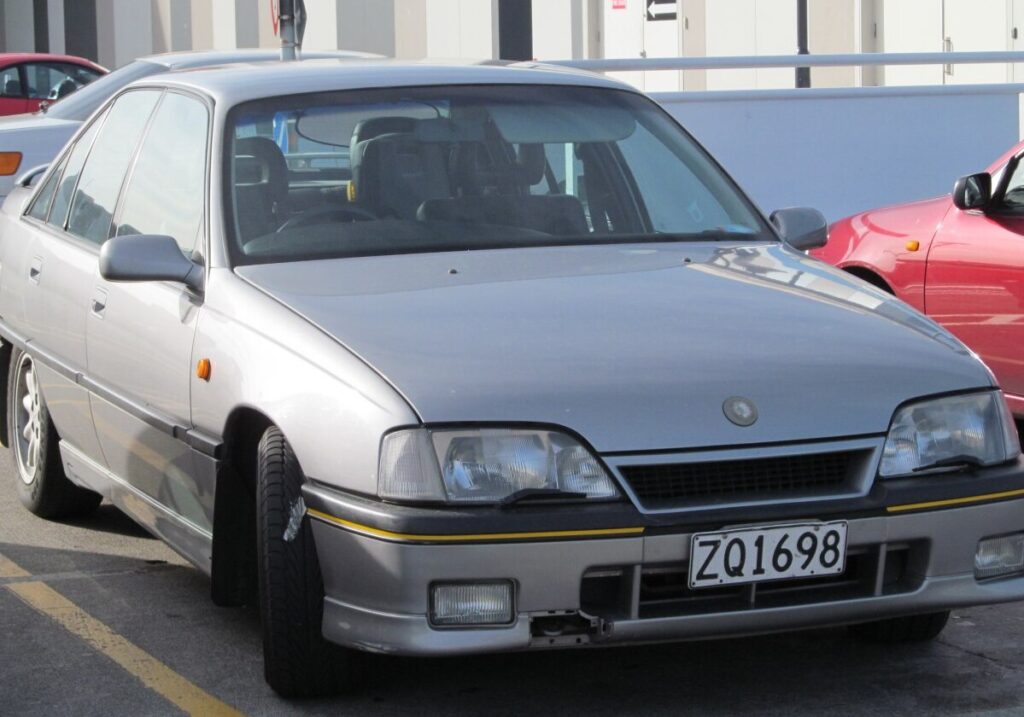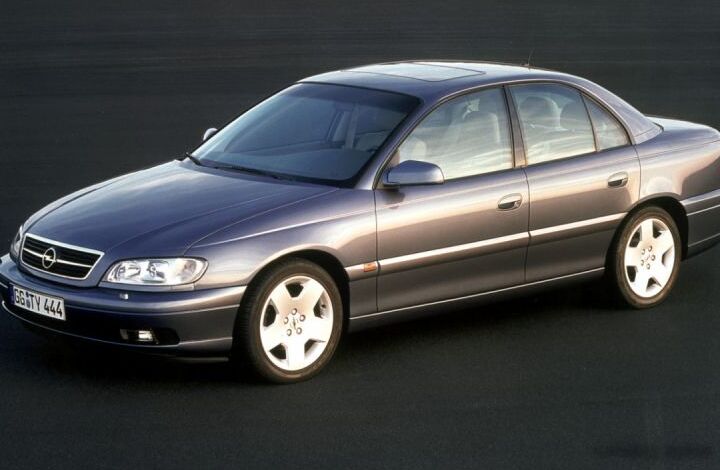
The Opel Omega B (facelift, introduced in October 1999 and produced through 2000) 2.2i variant, equipped with a 144 horsepower engine and automatic transmission, represented a mid-range offering within the Omega B lineup. Positioned between the base 1.8L models and the more powerful V6 options, it aimed to provide a balance of performance, comfort, and affordability for buyers seeking a spacious, executive-class sedan. The Omega B, built on the GM Epsilon platform (internally designated 1HX0/A3), was Opel’s flagship model, intended to compete with vehicles like the Ford Scorpio and BMW 5 Series.
The 2.2i Automatic Omega B: A Detailed Overview
The facelifted Omega B, launched in 1999, brought revised styling, improved interior materials, and updated engine options compared to the pre-facelift model. The 2.2i automatic variant was a key part of this refresh, offering a more refined driving experience than the lower-powered engines while remaining more accessible than the flagship V6 models. It was targeted towards drivers who prioritized comfort and ease of use over outright performance, making it a popular choice for family transportation and long-distance cruising.
Powertrain & Engine Architecture
At the heart of the 2.2i Omega B lay the Y22XE engine, a 2.2-liter (2198 cc / 134.13 cu. in.) inline four-cylinder gasoline engine. This engine featured multi-port fuel injection and a double overhead camshaft (DOHC) valvetrain with four valves per cylinder. The compression ratio was set at 10.5:1. The Y22XE was known for its relatively smooth operation and decent power output for its displacement. It produced 144 hp (107 kW) at 5400 rpm and 205 Nm (151.2 lb-ft) of torque at 4000 rpm. The engine’s power-to-liter ratio was 65.5 hp/l.
Paired with the Y22XE was a four-speed automatic transmission. While not the most modern transmission by contemporary standards, it provided smooth and convenient gear changes, contributing to the Omega B’s comfortable driving experience. The transmission was electronically controlled, offering adaptive shift patterns based on driving conditions. The drivetrain configuration was rear-wheel drive, a characteristic that distinguished the Omega B from many of its front-wheel-drive competitors.
Driving Characteristics
The 2.2i automatic Omega B offered a comfortable and relaxed driving experience. Acceleration from 0 to 100 km/h (0-62 mph) took approximately 11.5 seconds, while 0-60 mph was achieved in around 10.9 seconds. Top speed was rated at 206 km/h (128 mph). The automatic transmission, while smooth, did impact acceleration compared to the available manual transmission options. The gear ratios were optimized for cruising, providing relaxed highway performance but potentially feeling slightly sluggish during quick overtaking maneuvers. The rear-wheel-drive layout contributed to balanced handling, although the Omega B’s considerable weight (1535 kg / 3384.1 lbs kerb weight) meant it wasn’t a particularly sporty vehicle.
Compared to the base 1.8L Omega B, the 2.2i offered a noticeable improvement in performance, particularly in mid-range acceleration. The V6 models, however, provided significantly more power and a more engaging driving experience. The 2.2i automatic struck a compromise, offering sufficient power for most everyday driving situations without the higher running costs associated with the V6 engines.
Equipment & Trim Levels
The 2.2i automatic Omega B typically came well-equipped, reflecting its position as a mid-range model. Standard features generally included power windows, central locking, power steering (hydraulic), ABS (Anti-lock Braking System), and a basic audio system. Interior upholstery was typically cloth, although leather options were available as upgrades. The dashboard layout was functional and straightforward, with clear instrumentation. Optional extras included air conditioning, a sunroof, upgraded audio systems, and alloy wheels. Higher trim levels offered additional features such as automatic climate control, heated seats, and wood trim.
Chassis & Braking
The Omega B’s chassis featured coil spring suspension on both the front and rear axles. The suspension was tuned for comfort, providing a smooth ride over a variety of road surfaces. The front suspension utilized independent coil springs, while the rear suspension employed a semi-independent coil spring setup. Braking was handled by disc brakes on all four wheels, providing adequate stopping power for the vehicle’s weight. The steering system was a worm-reduction unit with hydraulic power assistance, offering a reasonably direct steering feel. The standard tire size was 195/65 R15, mounted on 6J x 15 inch wheel rims.
Market Reception & Comparison
The Opel Omega B 2.2i automatic received generally positive reviews from automotive critics. It was praised for its spacious interior, comfortable ride, and refined engine. However, some critics noted that the automatic transmission could feel somewhat dated and that the car’s weight impacted its handling agility. Fuel economy was considered average for its class, with urban consumption around 14.5 l/100 km (16.2 US mpg) and extra-urban consumption around 7.9 l/100 km (29.8 US mpg). Compared to the 1.8L models, the 2.2i offered a worthwhile performance upgrade, while the V6 models provided a more substantial increase in power but at a higher cost.
In terms of reliability, the Y22XE engine was generally considered to be a robust and dependable unit. However, like all vehicles of this era, the Omega B was susceptible to age-related issues such as corrosion and electrical problems. The automatic transmission, if not properly maintained, could also experience issues over time.
Technical Specifications
| Engine Model/Code | Y22XE |
| Engine Displacement | 2198 cm3 (134.13 cu. in.) |
| Number of Cylinders | 4, Inline |
| Compression Ratio | 10.5:1 |
| Fuel Injection System | Multi-port manifold injection |
| Maximum Power | 144 hp @ 5400 rpm |
| Maximum Torque | 205 Nm (151.2 lb-ft) @ 4000 rpm |
| Fuel Type | Petrol (Gasoline) |
| Transmission | 4-speed automatic |
| Drivetrain | Rear-wheel drive |
| Kerb Weight | 1535 kg (3384.1 lbs) |
| Maximum Weight | 2080 kg (4585.62 lbs) |
| Fuel Tank Capacity | 75 l (19.81 US gal) |
| Trunk (Boot) Space (min/max) | 530 l / 830 l (18.72 cu. ft / 29.31 cu. ft) |
| Acceleration 0-100 km/h | 11.5 sec |
| Maximum Speed | 206 km/h (128 mph) |
| Drag Coefficient (Cd) | 0.32 |
Legacy
The Opel Omega B 2.2i automatic, while no longer in production, remains a relatively common sight on used car markets, particularly in Europe. Its reputation for comfort, spaciousness, and reliability has ensured a steady demand among buyers seeking an affordable and practical executive sedan. The Y22XE engine, when properly maintained, has proven to be a durable and long-lasting unit. However, potential buyers should be aware of the potential for age-related issues such as corrosion and electrical problems. The Omega B, in all its variants, represents a significant chapter in Opel’s history, offering a blend of German engineering and comfortable practicality.