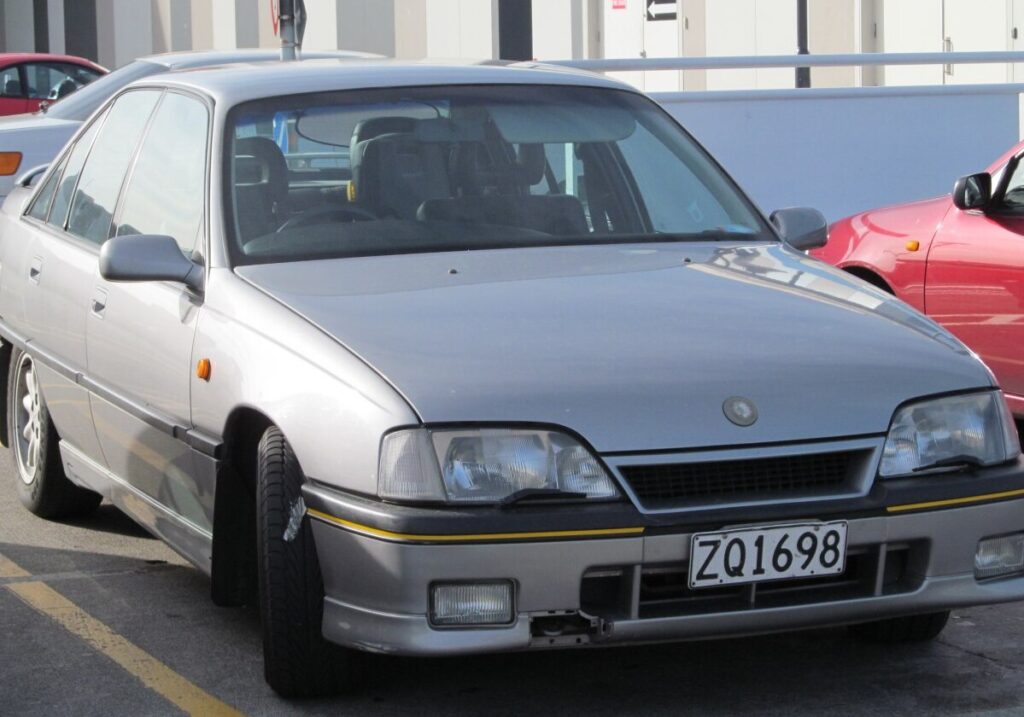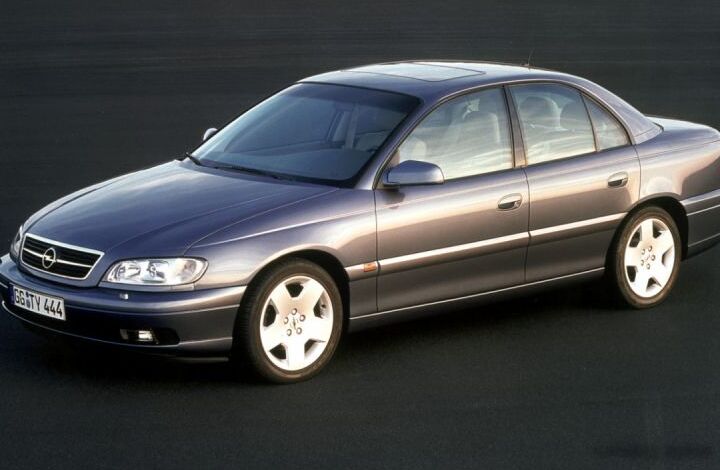
The Opel Omega B (facelift, introduced in 1999) 2.5 DTI, produced from July 2001 to June 2003, represented a sophisticated offering in the large, executive sedan segment. This variant, powered by a 2.5-liter turbocharged diesel engine producing 150 horsepower, occupied a middle ground within the Omega B range, positioned above the lower-powered gasoline engines but below the more potent V6 options. It was designed to appeal to drivers prioritizing fuel efficiency and long-distance comfort, offering a blend of performance and economy suitable for both commuting and extensive motorway journeys. The Omega B itself was based on the GM Epsilon platform (internally designated 1HX0/A3), shared with other vehicles like the Saab 9-3 and Vectra.
Opel Omega B 2.5 DTI: Powertrain & Engine Architecture
The heart of the 2.5 DTI Omega B is the Y25DT engine, a 2.5-liter inline-six cylinder diesel. This engine is characterized by its robust construction and advanced technology for its time. It features a common rail direct injection system, delivering fuel directly into the combustion chamber at extremely high pressure. This system, coupled with a variable geometry turbocharger and intercooler, allows for improved fuel atomization, increased power output, and reduced emissions. The engine displaces 2497 cm³ (152.38 cubic inches) and produces 150 hp (112 kW) at 4000 rpm and 300 Nm (221.27 lb-ft) of torque at 1750 rpm. The compression ratio is a high 17.5:1, typical for direct injection diesel engines. The valvetrain utilizes a double overhead camshaft (DOHC) design with four valves per cylinder, optimizing gas flow and contributing to the engine’s efficiency.
The Omega B 2.5 DTI was exclusively offered with a five-speed manual transmission. This transmission was chosen to complement the engine’s torque characteristics and provide a responsive driving experience. The gearbox is rear-wheel drive, contributing to the car’s balanced handling. Engine oil capacity is 6.5 liters (6.87 US quarts / 5.72 UK quarts), and the recommended oil specification should be consulted in the vehicle’s owner’s manual.
Fuel Injection and Turbocharging
The common rail diesel injection system used in the Y25DT engine is a significant feature. Unlike older diesel injection systems, common rail maintains a constant high pressure throughout the entire injection process, allowing for more precise control over fuel delivery. This results in smoother engine operation, reduced noise, and improved fuel economy. The turbocharger, with its variable geometry vanes, adjusts the airflow to the engine based on demand, minimizing turbo lag and maximizing power across the rev range. The intercooler cools the compressed air from the turbocharger, further increasing its density and improving combustion efficiency.
Driving Characteristics
The 2.5 DTI Omega B offers a distinctly different driving experience compared to its gasoline-powered siblings. While lacking the outright acceleration of the V6 models, the 2.5 DTI provides ample torque from low engine speeds, making it well-suited for relaxed cruising and effortless overtaking. The five-speed manual transmission allows drivers to effectively utilize the engine’s powerband. Acceleration from 0 to 100 km/h (0-62 mph) takes approximately 10.5 seconds, and the car has a top speed of 208 km/h (129.25 mph). The rear-wheel drive configuration contributes to a balanced feel, although it doesn’t offer the same level of grip as all-wheel drive systems found in some competitors.
Compared to the 2.0-liter gasoline engines, the 2.5 DTI offers significantly more torque, resulting in stronger acceleration in everyday driving situations. However, it lacks the responsiveness and higher revving nature of the gasoline engines. The 2.5 DTI is also more economical, achieving combined fuel consumption of 7.6 l/100 km (30.9 US mpg / 37.2 UK mpg), making it a practical choice for high-mileage drivers.
Equipment & Trim Levels
The Opel Omega B 2.5 DTI typically came equipped with a respectable level of standard features, reflecting its position as an executive sedan. Standard equipment generally included power windows, central locking, power steering, an anti-lock braking system (ABS), and a basic audio system. Interior upholstery was typically cloth, although leather options were available. The dashboard layout was functional and ergonomically designed, with clear instrumentation and intuitive controls. Optional extras included climate control, a sunroof, upgraded audio systems, and alloy wheels. Specific trim levels varied depending on the market, but generally offered progressively more luxurious features.
Chassis & Braking
The Omega B 2.5 DTI utilizes a coil spring suspension system at both the front and rear, providing a comfortable ride quality. The front suspension features independent coil springs, while the rear suspension employs a semi-independent coil spring setup. The car is equipped with ventilated disc brakes at the front and disc brakes at the rear, providing adequate stopping power. The steering system is a hydraulic power steering rack and pinion, offering precise and responsive steering feel. Tire sizes typically ranged from 205/65 R15 to 225/55 R16, depending on the wheel size.
Market Reception & Comparison
The Opel Omega B 2.5 DTI was generally well-received by automotive critics as a capable and comfortable long-distance cruiser. Its fuel efficiency and strong torque output were praised, making it a practical choice for drivers covering significant mileage. However, some critics noted that the engine lacked the refinement and performance of some of its competitors, particularly the more powerful V6 models. Compared to other diesels in its class, the Omega B 2.5 DTI offered a good balance of performance, economy, and comfort. Its reliability was generally considered good, although diesel engines can be susceptible to issues with the fuel injection system and turbocharger over time.
Technical Specifications
| Brand | Opel |
| Model | Omega |
| Generation | Omega B (facelift 1999) |
| Type (Engine) | 2.5 DTI (150 Hp) |
| Start of production | July, 2001 year |
| End of production | June, 2003 year |
| Fuel consumption (economy) – urban (NEDC) | 10.1 l/100 km |
| Fuel consumption (economy) – extra urban (NEDC) | 6.1 l/100 km |
| Fuel consumption (economy) – combined (NEDC) | 7.6 l/100 km |
| CO2 emissions (NEDC) | 205 g/km |
| Fuel Type | Diesel |
| Acceleration 0 – 100 km/h | 10.5 sec |
| Acceleration 0 – 62 mph | 10.5 sec |
| Acceleration 0 – 60 mph | 10 sec |
| Maximum speed | 208 km/h (129.25 mph) |
| Emission standard | Euro 3 |
| Weight-to-power ratio | 10.7 kg/Hp |
| Weight-to-torque ratio | 5.4 kg/Nm |
| Power | 150 Hp @ 4000 rpm |
| Torque | 300 Nm @ 1750 rpm (221.27 lb.-ft. @ 1750 rpm) |
| Engine layout | Front, Longitudinal |
| Engine Model/Code | Y25DT |
| Engine displacement | 2497 cm3 (152.38 cu. in.) |
| Number of cylinders | 6 |
| Engine configuration | Inline |
| Cylinder Bore | 80 mm (3.15 in.) |
| Piston Stroke | 82.8 mm (3.26 in.) |
| Compression ratio | 17.5:1 |
| Number of valves per cylinder | 4 |
| Fuel injection system | Diesel Commonrail |
| Engine aspiration | Turbocharger, Intercooler |
| Valvetrain | DOHC |
| Engine oil capacity | 6.5 l (6.87 US qt | 5.72 UK qt) |
| Coolant | 10.2 l (10.78 US qt | 8.97 UK qt) |
| Kerb Weight | 1610 kg (3549.44 lbs.) |
| Max. weight | 2180 kg (4806.08 lbs.) |
| Max load | 570 kg (1256.63 lbs.) |
| Trunk (boot) space – minimum | 530 l (18.72 cu. ft.) |
| Trunk (boot) space – maximum | 830 l (29.31 cu. ft.) |
| Fuel tank capacity | 75 l (19.81 US gal | 16.5 UK gal) |
| Length | 4898 mm (192.83 in.) |
| Width | 1776 mm (69.92 in.) |
| Height | 1455 mm (57.28 in.) |
| Wheelbase | 2730 mm (107.48 in.) |
| Drivetrain Architecture | Rear wheel drive |
| Number of gears and type of gearbox | 5 gears, manual transmission |
Legacy
The Opel Omega B 2.5 DTI, while no longer in production, remains a relatively common sight on European roads. The Y25DT engine, when properly maintained, is known for its durability and longevity. However, like all diesel engines, it can be susceptible to issues with the fuel injection system, turbocharger, and exhaust gas recirculation (EGR) valve. In the used car market, the Omega B 2.5 DTI represents a good value proposition for buyers seeking a spacious, comfortable, and economical executive sedan. Its rear-wheel drive configuration and robust construction make it a desirable choice for those who appreciate a traditional driving experience. Despite its age, the Omega B 2.5 DTI continues to offer a compelling blend of practicality, comfort, and reliability.