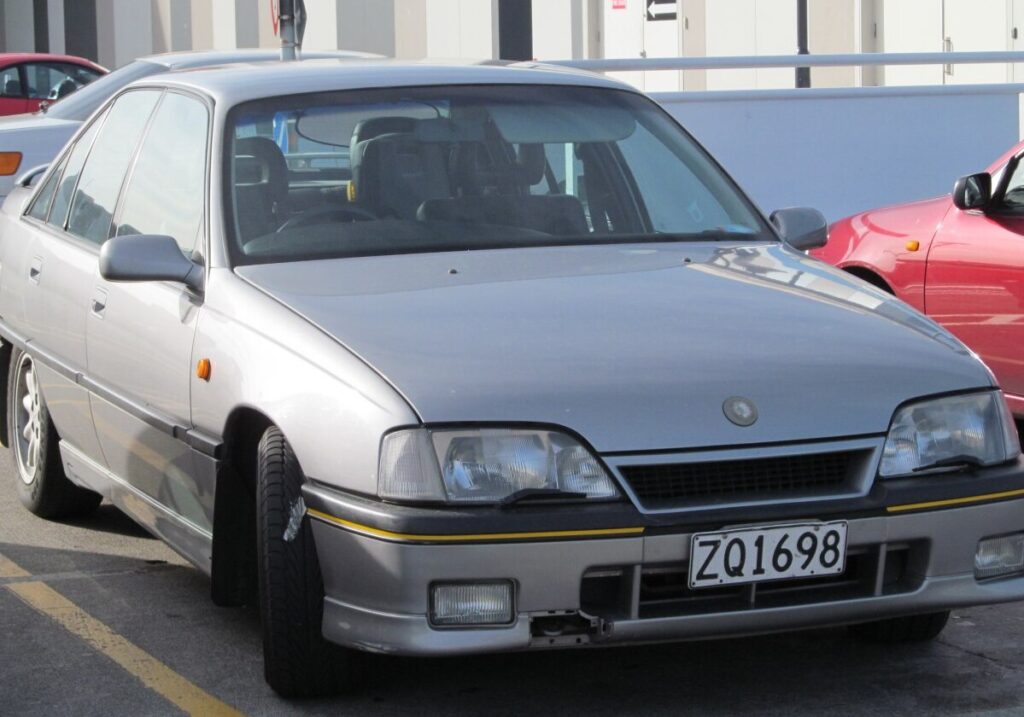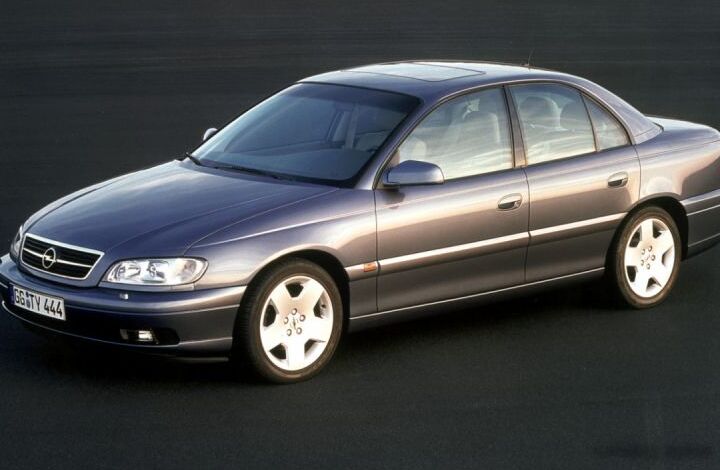
The Opel Omega B (facelift, introduced in 1999) 2.5 DTI 150 hp Automatic was a four-door, five-seat sedan produced from July 2001 to June 2003. It represented a blend of luxury, performance, and practicality within the Omega B range, positioned as a higher-end offering compared to the base models but below the more powerful gasoline variants. This variant was part of the larger Omega B generation (chassis code 1HX0/A3), which aimed to provide a spacious and comfortable executive car experience. The 2.5 DTI Automatic appealed to drivers seeking a refined driving experience with reasonable fuel economy, particularly those covering long distances.
Powertrain & Engine Architecture
The heart of the Omega B 2.5 DTI Automatic is the Y25DT engine, a 2.5-liter inline-six cylinder diesel engine. This engine produced 150 horsepower at 4000 rpm and 300 Nm (221.27 lb-ft) of torque at 1750 rpm. The engine featured a sophisticated Diesel Commonrail fuel injection system, which improved combustion efficiency and reduced noise compared to earlier diesel designs. The engine’s architecture included a double overhead camshaft (DOHC) valvetrain operating four valves per cylinder. A turbocharger with an intercooler was employed to boost power and torque output. The engine displacement was 2497 cm³ (152.38 cu. in.), with a bore of 80 mm (3.15 in.) and a stroke of 82.8 mm (3.26 in.). The compression ratio was relatively high at 17.5:1, typical for a direct injection diesel engine.
The engine was paired with a five-speed automatic transmission. While the specific automatic transmission model varied depending on production date and market, it was generally a conventional hydraulic automatic, known for its smooth operation but not particularly for its fuel efficiency compared to modern automatics. The transmission was longitudinally mounted, driving the rear wheels.
Fuel Injection and Turbocharging
The Diesel Commonrail system utilized high-pressure fuel injection, allowing for precise control over fuel delivery and spray pattern. This resulted in cleaner combustion and improved fuel economy. The turbocharger, combined with the intercooler, forced more air into the engine, increasing power output. The intercooler cooled the compressed air, further enhancing performance and reducing the risk of engine knock.
Driving Characteristics
The 2.5 DTI Automatic offered a comfortable and relaxed driving experience. While not a sports sedan, the 300 Nm of torque provided ample power for everyday driving and overtaking maneuvers. Acceleration from 0 to 100 km/h (0-62 mph) took approximately 11 seconds, and 0 to 60 mph was achieved in around 10.5 seconds. The maximum speed was electronically limited to 206 km/h (128 mph). The automatic transmission shifted smoothly, but could feel somewhat sluggish compared to a manual transmission, particularly during quick acceleration. The rear-wheel drive configuration provided balanced handling, although it wasn’t as agile as front-wheel drive cars. The Omega B’s relatively heavy weight (1620 kg / 3571.49 lbs) contributed to a feeling of solidity and stability on the road.
Compared to the higher-output gasoline versions of the Omega B, the 2.5 DTI Automatic offered significantly better fuel economy but less outright performance. The gasoline engines, such as the 3.0L V6, provided quicker acceleration and a more engaging driving experience, but at the cost of increased fuel consumption. Compared to the 2.0L diesel, the 2.5 DTI offered more power and refinement.
Equipment & Trim Levels
The Omega B 2.5 DTI Automatic typically came well-equipped, reflecting its position as a higher-end trim level. Standard features generally included air conditioning, power windows, power steering, central locking, an anti-lock braking system (ABS), and a basic audio system. Interior upholstery was typically cloth, although leather options were available. The dashboard layout was functional and ergonomically designed, with clear instrumentation. Optional extras included a sunroof, upgraded audio systems, leather upholstery, heated seats, and automatic climate control. The level of standard equipment could vary slightly depending on the specific market and production year.
Chassis & Braking
The Omega B 2.5 DTI Automatic featured a coil spring suspension system at both the front and rear. The suspension was tuned for comfort, providing a smooth ride over a variety of road surfaces. The front suspension utilized ventilated disc brakes, while the rear brakes were typically solid discs. The steering system was a hydraulic power steering rack and pinion, offering precise and responsive steering feel. Tire sizes varied, with 205/65 R15 and 225/55 R16 being common options. Wheel rim sizes were typically 6.5J x 15 and 7J x 16.
Market Reception & Comparison
The Opel Omega B 2.5 DTI Automatic received generally positive reviews from automotive critics. It was praised for its comfortable ride, spacious interior, and refined diesel engine. However, some critics noted the somewhat sluggish performance of the automatic transmission and the car’s relatively high weight. Fuel economy was considered to be good for a car of its size and class, with combined fuel consumption figures of around 8.6 l/100 km (27.4 US mpg / 32.8 UK mpg). Reliability was generally considered to be average, with some reports of issues with the fuel injection system and the automatic transmission. Compared to other cars in its segment, such as the Ford Mondeo and Volkswagen Passat, the Omega B offered a more luxurious and spacious interior, but was generally more expensive.
Technical Specifications
| Brand | Opel |
| Model | Omega |
| Generation | Omega B (facelift 1999) |
| Type (Engine) | 2.5 DTI (150 Hp) Automatic |
| Start of production | July, 2001 year |
| End of production | June, 2003 year |
| Fuel consumption (economy) – urban (NEDC) | 11.9 l/100 km |
| Fuel consumption (economy) – extra urban (NEDC) | 6.7 l/100 km |
| Fuel consumption (economy) – combined (NEDC) | 8.6 l/100 km |
| CO2 emissions (NEDC) | 232 g/km |
| Fuel Type | Diesel |
| Acceleration 0 – 100 km/h | 11 sec |
| Acceleration 0 – 62 mph | 11 sec |
| Acceleration 0 – 60 mph | 10.5 sec |
| Maximum speed | 206 km/h / 128 mph |
| Emission standard | Euro 3 |
| Weight-to-power ratio | 10.8 kg/Hp |
| Weight-to-torque ratio | 5.4 kg/Nm |
| Power | 150 Hp @ 4000 rpm |
| Torque | 300 Nm @ 1750 rpm / 221.27 lb.-ft. @ 1750 rpm |
| Engine layout | Front, Longitudinal |
| Engine Model/Code | Y25DT |
| Engine displacement | 2497 cm3 / 152.38 cu. in. |
| Number of cylinders | 6 |
| Engine configuration | Inline |
| Cylinder Bore | 80 mm / 3.15 in. |
| Piston Stroke | 82.8 mm / 3.26 in. |
| Compression ratio | 17.5:1 |
| Number of valves per cylinder | 4 |
| Fuel injection system | Diesel Commonrail |
| Engine aspiration | Turbocharger, Intercooler |
| Valvetrain | DOHC |
| Engine oil capacity | 6.5 l / 6.87 US qt | 5.72 UK qt |
| Coolant | 10.2 l / 10.78 US qt | 8.97 UK qt |
| Kerb Weight | 1620 kg / 3571.49 lbs |
| Max. weight | 2190 kg / 4828.12 lbs |
| Max load | 570 kg / 1256.63 lbs |
| Trunk (boot) space – minimum | 530 l / 18.72 cu. ft. |
| Trunk (boot) space – maximum | 830 l / 29.31 cu. ft. |
| Fuel tank capacity | 75 l / 19.81 US gal | 16.5 UK gal |
| Length | 4898 mm / 192.83 in. |
| Width | 1776 mm / 69.92 in. |
| Height | 1455 mm / 57.28 in. |
| Wheelbase | 2730 mm / 107.48 in. |
| Drive wheel | Rear wheel drive |
| Number of gears and type of gearbox | 5 gears, automatic transmission |
Legacy
The Opel Omega B 2.5 DTI Automatic, while no longer in production, remains a relatively affordable and practical used car option. The Y25DT engine is generally considered to be durable and reliable, although regular maintenance is essential. Common issues include wear and tear on the turbocharger and potential problems with the fuel injection system. The automatic transmission can also require attention as it ages. Despite these potential issues, the Omega B 2.5 DTI Automatic continues to appeal to those seeking a spacious, comfortable, and well-equipped sedan at a reasonable price. Its rear-wheel drive layout and robust diesel engine provide a unique driving experience compared to more modern front-wheel drive cars.