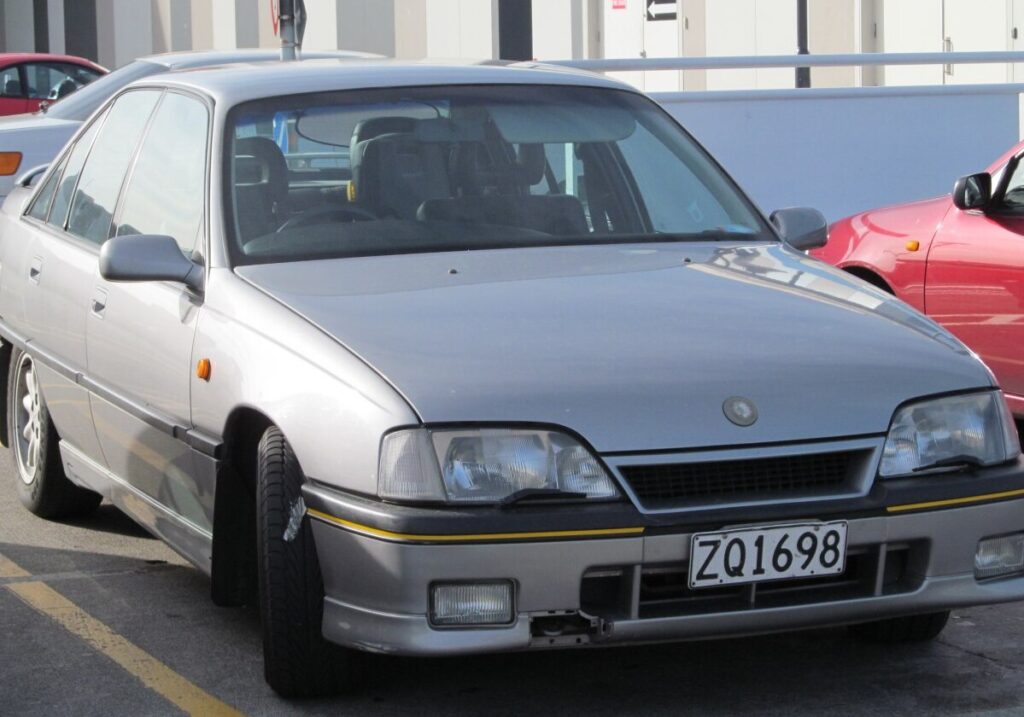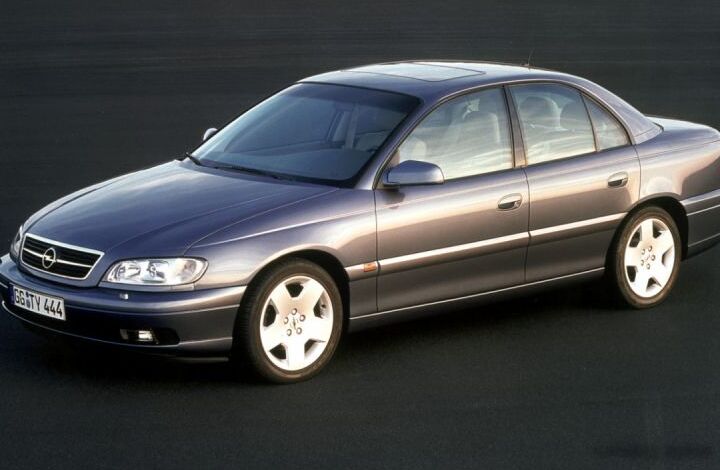
The Opel Omega B (facelift, introduced in 1999) 2.5 TD represents a significant iteration of Opel’s flagship sedan, produced from October 1999 to November 2000. This variant, powered by a 2.5-liter turbocharged diesel engine producing 131 horsepower, occupied a middle ground within the Omega B range, offering a balance between performance, fuel economy, and refinement. It was positioned as a more economical alternative to the gasoline-powered models, while providing more power and a more sophisticated driving experience than the lower-spec diesel options. The Omega B itself was built on the GM Epsilon platform (internally designated 1HX0/A3), sharing components with other General Motors vehicles of the era, including the Saab 9-5 and the Vauxhall Vectra.
Powertrain & Engine Architecture
The heart of the Omega B 2.5 TD is the X25DT engine, a 2.5-liter inline-six cylinder diesel. This engine utilizes a precombustion chamber injection system, a technology common in European diesel engines of the late 1990s. This system involves injecting fuel into a small precombustion chamber within the cylinder head, where it ignites and then ignites the main fuel charge in the cylinder. This design promotes more complete combustion and reduces engine noise. The engine is turbocharged and intercooled, boosting power output to 131 hp at 4500 rpm and 250 Nm (184.39 lb-ft) of torque at 2200 rpm. The engine’s displacement is 2497 cm³ (152.38 cu. in.), with a bore of 80 mm (3.15 in.) and a stroke of 82.8 mm (3.26 in.). It features a compression ratio of 22:1 and a dual overhead camshaft (DOHC) valvetrain with two valves per cylinder.
The Omega B 2.5 TD was exclusively offered with a 5-speed manual transmission. This transmission was chosen to complement the engine’s torque characteristics and provide a more engaging driving experience. The gearbox is rear-wheel drive, contributing to the Omega’s balanced handling characteristics.
Engine Specifications
Key engine specifications include a 6.5-liter (6.87 US qt, 5.72 UK qt) engine oil capacity and a 10.2-liter (10.78 US qt, 8.97 UK qt) coolant capacity. The recommended engine oil specification is dependent on the specific market and year of manufacture, and owners should consult their owner’s manual for the correct grade.
Driving Characteristics
The Omega B 2.5 TD offered a refined and comfortable driving experience. The 2.5-liter diesel engine provided ample torque for relaxed cruising and effortless overtaking. While not a sports car, the Omega B 2.5 TD could accelerate from 0 to 100 km/h (0-62 mph) in approximately 12 seconds, and reach a top speed of 200 km/h (124.27 mph). The 5-speed manual transmission allowed drivers to effectively utilize the engine’s powerband, providing good control and responsiveness. The rear-wheel drive configuration contributed to balanced handling, although it did require careful throttle control in slippery conditions. Compared to the higher-output gasoline engines, the 2.5 TD offered significantly better fuel economy, but lacked the same level of outright performance. Compared to lower-powered diesel variants, the 2.5 TD provided a noticeable improvement in acceleration and overall refinement.
Equipment & Trim Levels
The Omega B 2.5 TD typically came equipped with a respectable level of standard features, reflecting its position as a mid-range model. Standard equipment generally included power windows, central locking, power steering, ABS (Anti-lock Braking System), and a basic audio system. Interior upholstery was typically cloth, although leather options were available. The dashboard layout was functional and ergonomically designed, with clear instrumentation and easy-to-use controls. Optional extras included air conditioning, a sunroof, upgraded audio systems, and alloy wheels. Specific trim levels and available options varied depending on the market.
Chassis & Braking
The Omega B 2.5 TD featured a coil spring suspension system at both the front and rear, providing a comfortable ride quality. The front suspension utilized independent coil springs, while the rear suspension employed a semi-independent coil spring setup. The braking system consisted of ventilated discs at the front and solid discs at the rear, providing adequate stopping power for the vehicle’s weight. The steering system was a hydraulic power-assisted worm-reduction unit, offering a good balance between assistance and feel. The vehicle was equipped with 205/65 R15 tires mounted on 6.5J x 15 inch wheel rims.
Market Reception & Comparison
The Opel Omega B 2.5 TD was generally well-received by automotive critics. It was praised for its comfortable ride, refined engine, and good fuel economy. However, some critics noted that the engine could be somewhat noisy compared to gasoline alternatives. In terms of fuel economy, the 2.5 TD offered a combined fuel consumption of 8 l/100 km (29.4 US mpg, 35.3 UK mpg, 12.5 km/l), making it a relatively economical option for long-distance driving. Compared to the 2.5 V6 gasoline engine, the 2.5 TD offered significantly better fuel economy, but lacked the same level of performance. Reliability was generally good, although the precombustion chamber injection system could require more maintenance than more modern diesel technologies.
Technical Specifications
| Brand | Opel |
| Model | Omega |
| Generation | Omega B (facelift 1999) |
| Type (Engine) | 2.5 TD (131 Hp) |
| Start of production | October, 1999 |
| End of production | November, 2000 |
| Powertrain Architecture | Internal Combustion engine |
| Body type | Sedan |
| Seats | 5 |
| Doors | 4 |
| Fuel consumption (urban) | 10.9 l/100 km (21.6 US mpg, 25.9 UK mpg, 9.2 km/l) |
| Fuel consumption (extra urban) | 6.1 l/100 km (38.6 US mpg, 46.3 UK mpg, 16.4 km/l) |
| Fuel consumption (combined) | 8 l/100 km (29.4 US mpg, 35.3 UK mpg, 12.5 km/l) |
| CO2 emissions | 196 g/km |
| Fuel Type | Diesel |
| Acceleration 0 – 100 km/h | 12 sec |
| Acceleration 0 – 62 mph | 12 sec |
| Acceleration 0 – 60 mph | 11.4 sec |
| Maximum speed | 200 km/h (124.27 mph) |
| Weight-to-power ratio | 12.3 kg/Hp |
| Weight-to-torque ratio | 6.4 kg/Nm |
| Power | 131 Hp @ 4500 rpm |
| Torque | 250 Nm @ 2200 rpm (184.39 lb.-ft. @ 2200 rpm) |
| Engine layout | Front, Longitudinal |
| Engine Model/Code | X25DT |
| Engine displacement | 2497 cm3 (152.38 cu. in.) |
| Number of cylinders | 6 |
| Engine configuration | Inline |
| Cylinder Bore | 80 mm (3.15 in.) |
| Piston Stroke | 82.8 mm (3.26 in.) |
| Compression ratio | 22:1 |
| Number of valves per cylinder | 2 |
| Fuel injection system | Precombustion chamber injection |
| Engine aspiration | Turbocharger, Intercooler |
| Valvetrain | DOHC |
| Engine oil capacity | 6.5 l (6.87 US qt | 5.72 UK qt) |
| Coolant | 10.2 l (10.78 US qt | 8.97 UK qt) |
| Kerb Weight | 1605 kg (3538.42 lbs.) |
| Max. weight | 2170 kg (4784.03 lbs.) |
| Max load | 565 kg (1245.61 lbs.) |
| Trunk (boot) space – minimum | 530 l (18.72 cu. ft.) |
| Trunk (boot) space – maximum | 830 l (29.31 cu. ft.) |
| Fuel tank capacity | 75 l (19.81 US gal | 16.5 UK gal) |
| Length | 4898 mm (192.83 in.) |
| Width | 1785 mm (70.28 in.) |
| Height | 1455 mm (57.28 in.) |
| Wheelbase | 2730 mm (107.48 in.) |
| Front track | 1514 mm (59.61 in.) |
| Rear (Back) track | 1528 mm (60.16 in.) |
| Ride height (ground clearance) | 140 mm (5.51 in.) |
| Drag coefficient (Cd) | 0.32 |
| Drivetrain Architecture | Rear wheel drive |
| Number of gears and type of gearbox | 5 gears, manual transmission |
Legacy
The Opel Omega B 2.5 TD, while not the most sought-after variant, remains a reasonably reliable and affordable classic car. The X25DT engine, while aging, is known for its durability when properly maintained. The precombustion chamber injection system does require regular servicing, including injector cleaning and valve adjustments. Today, the Omega B 2.5 TD can be found in the used car market at relatively low prices, making it an attractive option for those seeking a spacious, comfortable, and economical sedan. However, potential buyers should be aware of the age-related issues common to older vehicles, such as corrosion and wear and tear on suspension components. Parts availability can be a challenge in some markets, but a dedicated community of Omega owners and enthusiasts continues to support the model.