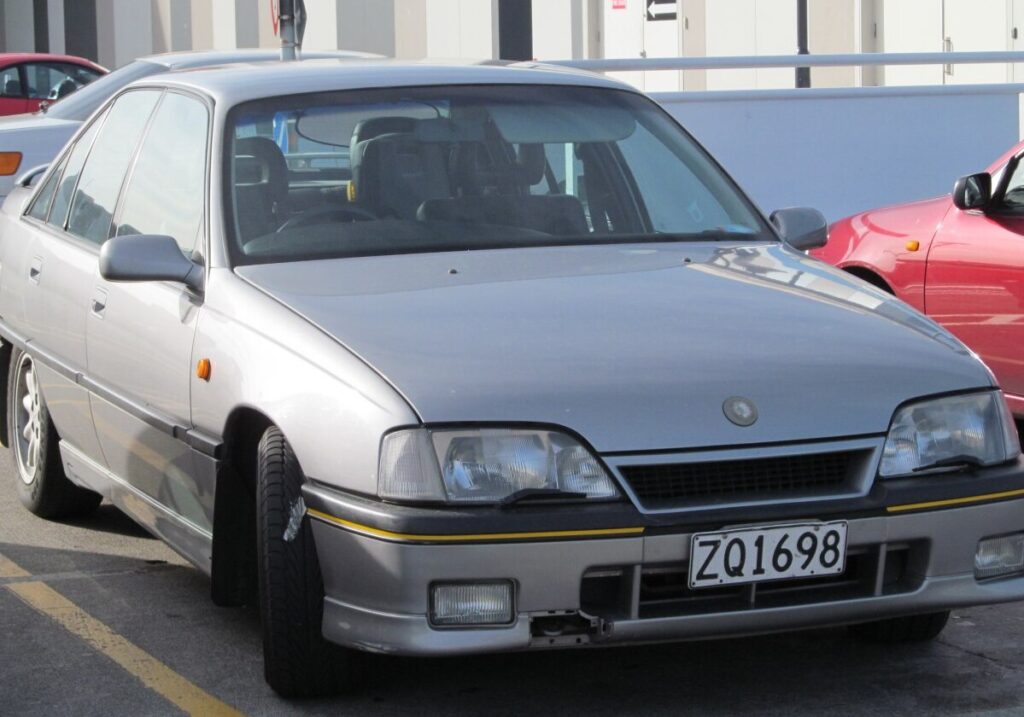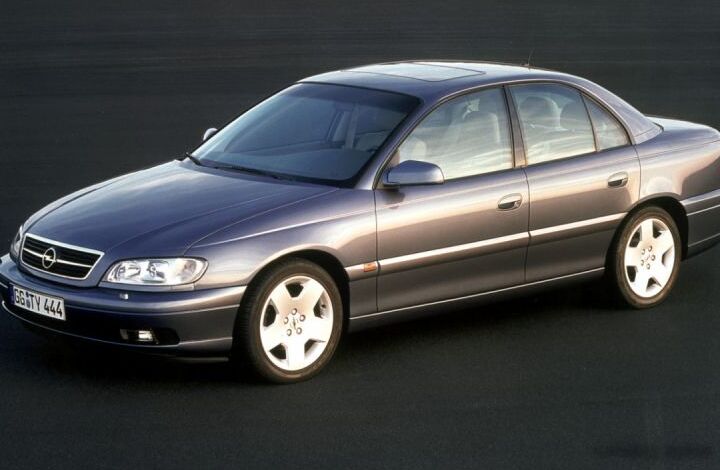
The Opel Omega B (facelift, introduced in 1999) 2.5 TD Automatic was a four-door, five-seat sedan positioned as a comfortable and relatively economical grand tourer within the Omega B range. Produced between October 1999 and November 2000, this variant offered a diesel-powered alternative to the gasoline engines available, targeting buyers prioritizing fuel efficiency and long-distance cruising capability. It represented a mid-range offering within the Omega B lineup, slotting below the more powerful gasoline variants but above the base-level models.
Opel Omega B 2.5 TD Automatic: Powertrain & Engine Architecture
The heart of the Omega B 2.5 TD Automatic is the X25DT inline-six cylinder diesel engine, displacing 2,497 cubic centimeters (152.38 cubic inches). This engine utilizes precombustion chamber injection, a system common in European diesel engines of the era, known for its relatively quiet operation and good combustion efficiency. The X25DT is turbocharged and intercooled, boosting power output to 131 horsepower (97 kW) at 4,500 rpm and 250 Newton-meters (184.39 lb-ft) of torque at 2,200 rpm. This torque figure provided strong low-end and mid-range acceleration, making it well-suited for highway driving and overtaking.
The engine features a double overhead camshaft (DOHC) valvetrain with two valves per cylinder. Compression ratio is a high 22:1, typical for diesel engines. Lubrication is provided by a 6.5-liter (6.87 US qt, 5.72 UK qt) oil system, requiring specification-compliant oil for optimal performance and longevity. The cooling system holds 10.2 liters (10.78 US qt, 8.97 UK qt) of coolant.
The “Automatic” portion of the name refers to a four-speed automatic transmission. While not offering the latest in transmission technology, this unit was known for its durability and smooth operation. The transmission’s gear ratios were optimized for relaxed cruising and fuel efficiency, rather than outright performance. Specific gear ratios were not widely published but were geared towards maximizing torque utilization.
Engine Code Specifics: X25DT
The X25DT engine code is crucial for identifying specific parts and service requirements. It’s a member of Opel’s family of diesel engines, sharing some components with other 2.5-liter variants. However, the X25DT’s specific tuning and injection system calibration differentiate it. Maintenance on the X25DT requires attention to the precombustion chambers and the fuel injection pump, as these are common areas for wear and potential issues over time.
Driving Characteristics
The Omega B 2.5 TD Automatic offered a distinctly different driving experience compared to its gasoline-powered siblings. While lacking the immediate responsiveness of the larger gasoline engines, the diesel provided ample torque for comfortable and confident cruising. Acceleration from 0 to 100 km/h (0-62 mph) took approximately 12.5 seconds, and 0 to 60 mph was achieved in around 11.9 seconds. Top speed was rated at 195 km/h (121.17 mph).
The automatic transmission contributed to a relaxed driving style. Gear changes were generally smooth, although not particularly quick. The transmission’s programming prioritized fuel economy over sporty performance. The rear-wheel drive configuration provided balanced handling, although it wasn’t as agile as front-wheel drive alternatives. The weight of the vehicle (1,605 kg / 3,538.42 lbs) was noticeable, particularly during cornering, but the suspension did a reasonable job of controlling body roll.
Equipment & Trim Levels
The 2.5 TD Automatic trim level of the Omega B typically included a reasonable level of standard equipment. This generally included power windows, central locking, power steering, and an anti-lock braking system (ABS). Interior upholstery was typically cloth, although leather was available as an optional extra. The dashboard layout was functional and straightforward, with clear instrumentation. Air conditioning was a common feature, and some models included a basic audio system. Optional extras could include a sunroof, upgraded audio systems, and alloy wheels.
The Omega B, in general, was known for its spacious interior and comfortable seats. The 2.5 TD Automatic variant didn’t deviate from this, offering ample legroom and headroom for both front and rear passengers. Trunk space was generous, ranging from 530 liters (18.72 cu ft) with the rear seats up to 830 liters (29.31 cu ft) with them folded down.
Chassis & Braking
The Omega B 2.5 TD Automatic utilized a coil spring suspension system at both the front and rear. The suspension was tuned for comfort, providing a relatively smooth ride over uneven surfaces. Stabilizer bars were fitted to both axles to reduce body roll during cornering. The braking system consisted of ventilated discs at the front and solid discs at the rear. The ABS system helped to maintain steering control during emergency braking situations.
The vehicle rode on 205/65 R15 tires mounted on 6.5J x 15 inch steel or alloy wheels. The ride height (ground clearance) was 140 mm (5.51 inches).
Market Reception & Comparison
The Opel Omega B 2.5 TD Automatic was generally well-received by critics as a comfortable and practical long-distance cruiser. Its fuel economy was a significant selling point, particularly compared to the gasoline-powered models. Fuel consumption was rated at 12.5 l/100 km (18.8 US mpg, 22.6 UK mpg, 8 km/l) in urban conditions and 7 l/100 km (33.6 US mpg, 40.4 UK mpg, 14.3 km/l) on the extra-urban cycle.
Compared to the 2.5 V6 gasoline engine, the 2.5 TD offered significantly better fuel economy but lacked the V6’s outright performance. The 2.0 16V gasoline engine was more affordable but offered less torque and a less refined driving experience. The 1.9 TDI models, while offering similar fuel economy, were often considered less refined than the inline-six diesel. Reliability was generally good, although diesel engines of this era required regular maintenance to prevent issues with the fuel injection system and turbocharger.
Technical Specifications
| Brand | Opel |
| Model | Omega |
| Generation | Omega B (facelift 1999) |
| Type (Engine) | 2.5 TD (131 Hp) Automatic |
| Start of production | October, 1999 |
| End of production | November, 2000 |
| Powertrain Architecture | Internal Combustion engine |
| Body type | Sedan |
| Seats | 5 |
| Doors | 4 |
| Fuel consumption (urban) | 12.5 l/100 km (18.8 US mpg, 22.6 UK mpg) |
| Fuel consumption (extra urban) | 7 l/100 km (33.6 US mpg, 40.4 UK mpg) |
| Fuel Type | Diesel |
| Acceleration 0 – 100 km/h | 12.5 sec |
| Acceleration 0 – 62 mph | 12.5 sec |
| Acceleration 0 – 60 mph | 11.9 sec |
| Maximum speed | 195 km/h (121.17 mph) |
| Weight-to-power ratio | 12.3 kg/Hp |
| Weight-to-torque ratio | 6.4 kg/Nm |
| Power | 131 Hp @ 4500 rpm |
| Torque | 250 Nm @ 2200 rpm (184.39 lb.-ft. @ 2200 rpm) |
| Engine layout | Front, Longitudinal |
| Engine Model/Code | X25DT |
| Engine displacement | 2497 cm3 (152.38 cu. in.) |
| Number of cylinders | 6 |
| Engine configuration | Inline |
| Cylinder Bore | 80 mm (3.15 in.) |
| Piston Stroke | 82.8 mm (3.26 in.) |
| Compression ratio | 22:1 |
| Number of valves per cylinder | 2 |
| Fuel injection system | Precombustion chamber injection |
| Engine aspiration | Turbocharger, Intercooler |
| Valvetrain | DOHC |
| Engine oil capacity | 6.5 l (6.87 US qt, 5.72 UK qt) |
| Coolant capacity | 10.2 l (10.78 US qt, 8.97 UK qt) |
| Kerb Weight | 1605 kg (3538.42 lbs.) |
| Max. weight | 2170 kg (4784.03 lbs.) |
| Max load | 565 kg (1245.61 lbs.) |
| Trunk (boot) space – minimum | 530 l (18.72 cu. ft.) |
| Trunk (boot) space – maximum | 830 l (29.31 cu. ft.) |
| Fuel tank capacity | 75 l (19.81 US gal, 16.5 UK gal) |
| Length | 4898 mm (192.83 in.) |
| Width | 1785 mm (70.28 in.) |
| Height | 1455 mm (57.28 in.) |
| Wheelbase | 2730 mm (107.48 in.) |
| Front track | 1514 mm (59.61 in.) |
| Rear track | 1528 mm (60.16 in.) |
| Ride height | 140 mm (5.51 in.) |
| Drag coefficient (Cd) | 0.32 |
| Drivetrain | Rear wheel drive |
| Number of gears | 4 |
| Gearbox type | Automatic transmission |
| Front suspension | Coil spring |
| Rear suspension | Coil spring |
| Front brakes | Ventilated discs |
| Rear brakes | Disc |
| Assisting systems | ABS (Anti-lock braking system) |
| Tires size | 205/65 R15 |
| Wheel rims size | 6.5J x 15 |
Legacy
The Opel Omega B 2.5 TD Automatic, while not a high-volume seller, has developed a following among enthusiasts who appreciate its comfortable ride, fuel efficiency, and robust diesel engine. The X25DT engine, when properly maintained, is known for its longevity. However, age-related issues such as wear in the fuel injection system and turbocharger are common. On the used car market, these Omegas are relatively affordable, making them an attractive option for those seeking a spacious and comfortable sedan. Parts availability can be a challenge in some regions, but a dedicated network of Opel enthusiasts and parts suppliers helps to keep these vehicles on the road.