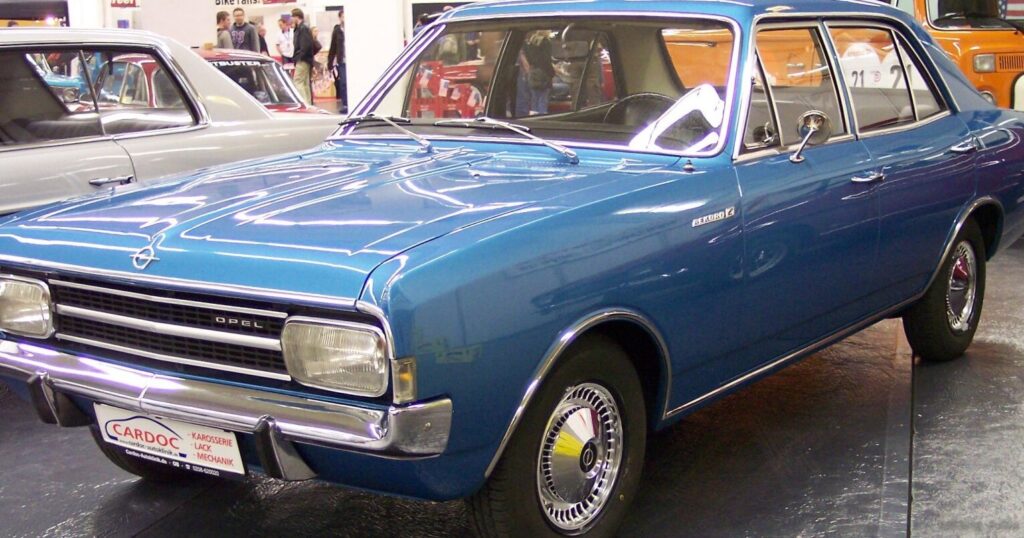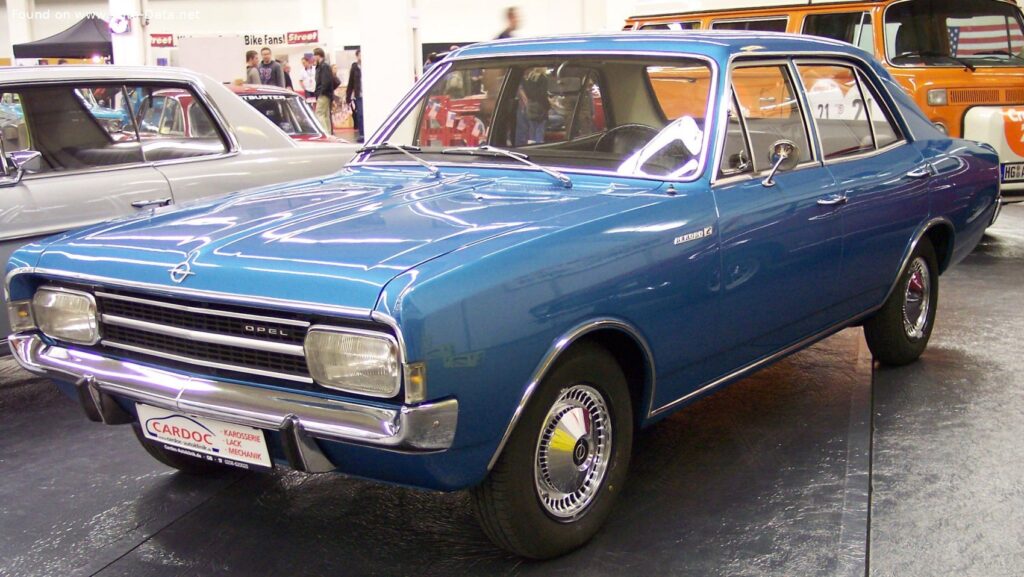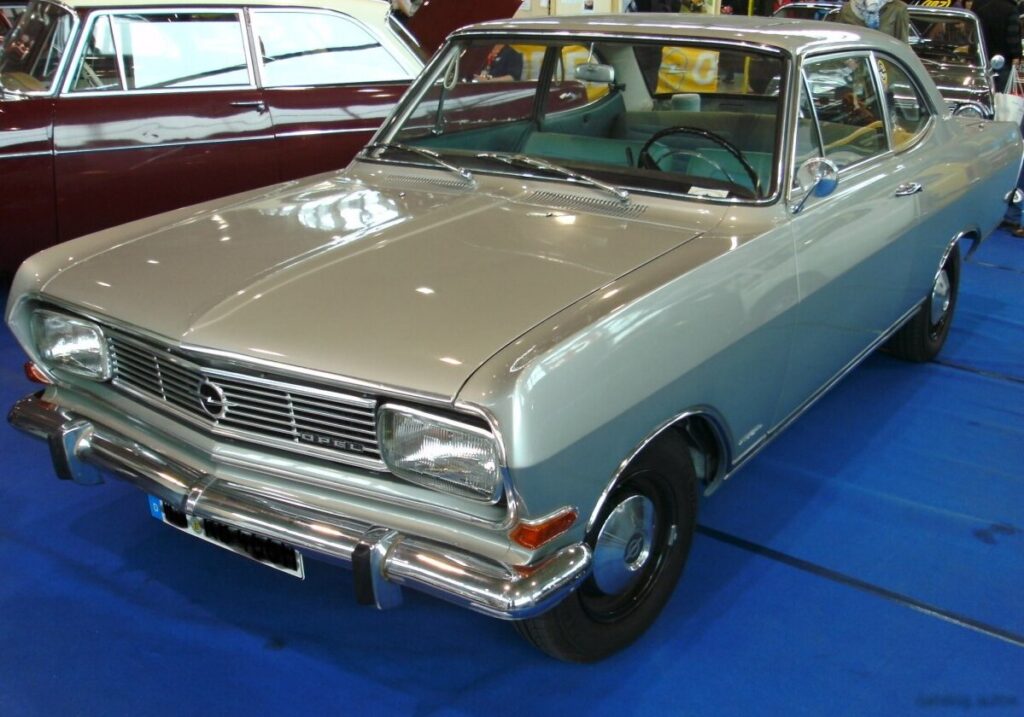
The Opel Rekord B Coupe 2.6, producing 115 horsepower, was a stylish and relatively upscale offering from Opel between 1965 and 1966. Positioned as a more sporting variant within the Rekord B range, the Coupe distinguished itself from the more practical sedan and wagon models with its two-door configuration and more refined interior appointments. It represented a step upmarket for Opel, aiming to attract buyers seeking a blend of performance and comfort in a European grand tourer package. The Rekord B series, built on the Opel’s new platform, was a significant model for the company, modernizing their lineup and establishing a new design language.
The 2.6-Liter Engine and Powertrain
The heart of the Rekord B Coupe 2.6 was its 2.6-liter inline-six cylinder engine. Designated with various internal codes depending on specific market and minor revisions, this engine was a key component of Opel’s engineering advancements during the mid-1960s. It featured a naturally aspirated configuration and utilized a single carburetor for fuel delivery. The engine’s bore and stroke measured 85mm x 76.5mm, resulting in a displacement of 2605 cc (158.97 cubic inches). The compression ratio was set at 8.2:1. The valvetrain employed Opel’s CIH (Camshaft In Head) technology, a design that improved breathing and contributed to the engine’s relatively high output for the time.
Power output was rated at 115 hp at 4700 rpm, with a torque figure of 196 Nm (144.56 lb-ft) available between 2600 and 3000 rpm. This engine was longitudinally mounted in the front of the vehicle, driving the rear wheels. The standard transmission for the 2.6 Coupe was a four-speed manual gearbox. While an automatic transmission was offered on some Rekord B models, it was less common with the 2.6-liter engine, and the majority were equipped with the manual.
Engine Architecture Details
The CIH valvetrain was a significant feature of the engine. It allowed for more direct valve actuation, improving efficiency and power delivery. The carburetor, while not as sophisticated as fuel injection systems being developed at the time, was carefully tuned to provide a balance between performance and fuel economy. The engine’s oil capacity was 4 liters (4.23 US quarts or 3.52 UK quarts), and the recommended oil specification would have been consistent with the standards of the era – typically a multi-grade mineral oil.
Driving Characteristics
The Rekord B Coupe 2.6 offered a driving experience that was considered refined for its time. The 115 hp engine provided adequate power for comfortable cruising and overtaking, although it wasn’t a particularly sporty performer by modern standards. The four-speed manual transmission allowed drivers to make the most of the engine’s torque, and the rear-wheel-drive layout contributed to balanced handling. The longitudinal engine placement helped with weight distribution. The car’s top speed was approximately 170 km/h (105.63 mph).
Compared to the base Rekord models with smaller engines, the 2.6 Coupe offered a noticeable improvement in acceleration and overall responsiveness. However, it wasn’t as focused on outright performance as some of its competitors, such as certain British sports coupes. The focus was more on providing a comfortable and stylish grand touring experience.
Equipment & Trim Levels
The Rekord B Coupe 2.6 was generally well-equipped for the mid-1960s. Standard features included comfortable seating for four passengers, a stylish dashboard layout, and a generous amount of interior space for a coupe. Interior upholstery typically consisted of cloth or vinyl, with options for higher-quality materials available. The dashboard featured a comprehensive array of gauges, including a speedometer, tachometer, fuel gauge, and temperature gauge.
Optional extras included a radio, whitewall tires, and a sunroof. The Coupe also benefited from a more refined interior trim compared to the base Rekord models, with features such as woodgrain accents and chrome detailing. The overall aesthetic aimed for a sense of understated elegance.
Chassis & Braking
The Rekord B Coupe utilized a traditional body-on-frame construction. The front suspension consisted of coil springs and a torsion bar stabilizer, while the rear suspension employed coil springs. This setup provided a comfortable ride, although it wasn’t as sophisticated as independent suspension systems found on some contemporary vehicles.
The braking system featured disc brakes on the front wheels and drum brakes on the rear wheels. The steering was a cone worm with recirculation balls, providing a relatively direct and responsive feel. The car rode on 14-inch wheels. The track width was consistent at 1325mm (52.17 inches) for both the front and rear axles.
Market Reception & Comparison
The Opel Rekord B Coupe 2.6 was generally well-received by automotive critics of the time. It was praised for its stylish design, comfortable ride, and relatively powerful engine. However, some critics noted that it wasn’t as sporty or engaging to drive as some of its competitors. Fuel economy was rated at 10.7 l/100 km (22 US mpg or 26.4 UK mpg or 9.3 km/l), which was typical for a vehicle of this size and engine displacement in the 1960s.
Compared to other Rekord B models, the 2.6 Coupe represented a significant step up in terms of performance and refinement. It was positioned as a more premium offering, appealing to buyers who were willing to pay a higher price for a more stylish and comfortable vehicle. It competed with other European coupes, such as the Ford Capri and various British models.
Technical Specifications
| Brand | Opel |
| Model | Rekord |
| Generation | Rekord B Coupe |
| Type (Engine) | 2.6 (115 Hp) |
| Start of production | 1965 |
| End of production | 1966 |
| Body type | Coupe |
| Seats | 4 |
| Doors | 2 |
| Fuel consumption (combined) | 10.7 l/100 km |
| Fuel consumption (US mpg) | 22 |
| Fuel consumption (UK mpg) | 26.4 |
| Fuel Type | Petrol (Gasoline) |
| Maximum speed | 170 km/h (105.63 mph) |
| Power | 115 Hp @ 4700 rpm |
| Torque | 196 Nm @ 2600-3000 rpm (144.56 lb.-ft.) |
| Engine layout | Front, Longitudinal |
| Engine displacement | 2605 cm3 (158.97 cu. in.) |
| Number of cylinders | 6 |
| Engine configuration | Inline |
| Cylinder Bore | 85 mm (3.35 in.) |
| Piston Stroke | 76.5 mm (3.01 in.) |
| Compression ratio | 8.2:1 |
| Number of valves per cylinder | 2 |
| Fuel injection system | Carburettor |
| Engine aspiration | Naturally aspirated |
| Engine oil capacity | 4 l (4.23 US qt | 3.52 UK qt) |
| Fuel tank capacity | 45 l (11.89 US gal | 9.9 UK gal) |
| Length | 4551 mm (179.17 in.) |
| Width | 1690 mm (66.54 in.) |
| Height | 1399 mm (55.08 in.) |
| Wheelbase | 2639 mm (103.9 in.) |
| Front track | 1325 mm (52.17 in.) |
| Rear track | 1325 mm (52.17 in.) |
| Drivetrain | Rear wheel drive |
| Number of gears | 4 |
| Gearbox type | Manual transmission |
| Front suspension | Coil spring, Torsion |
| Rear suspension | Coil spring |
| Front brakes | Disc |
| Rear brakes | Drum |
| Steering type | Cone worm with recirculation balls |
| Wheel rims size | 14 |
Legacy
The Opel Rekord B Coupe 2.6 remains a sought-after classic car today. Its stylish design and relatively rare status have made it a popular choice among collectors. The 2.6-liter engine, while not known for being particularly fragile, requires regular maintenance to ensure its continued reliability. Parts availability can be a challenge, but a dedicated network of Opel enthusiasts and suppliers exists to support owners. The car represents a significant chapter in Opel’s history, showcasing the company’s ability to produce stylish and well-engineered vehicles that appealed to a broad range of buyers. Well-maintained examples command respectable prices in the classic car market, reflecting their enduring appeal.